Symptoms of 'valley fever' as horrifying fungal storms sweep southern US states


Valley fever, referred to scientifically as Coccidioidomycosis, is seeing a rise in certain parts of the United States as dust storms and strong winds spread fungal spores, and the potentially deadly symptoms are definitely something that you'll want to avoid.
It has become such an issue that the Center for Disease Control and Prevention (CDC) has issued a warning to people who live large parts of the nation's west coast, with states like California, Nevada, Arizona, New Mexico, and Washington all impacted significantly by the spread.
While the infection cannot be passed between humans or caught through zoonotic means – as it is most present within dogs who burrow into the dirt – the way that it spreads causes a large number of people to be impacted so remaining aware of the symptoms is vital.
What are the symptoms of valley fever?
One of the biggest dangerous surrounding valley fever is the similarities of its symptoms to pneumonia, meaning that both patients and health experts commonly misdiagnose the illness, causing its risk level to increase.

Advert
It can often take weeks for the right antibiotic medication to be administered, which not only means that patients have to continue to suffer through symptoms that are often difficult to deal with, but that the infection can get worse and even put your life in danger.
Encountering any mix of the following symptoms in an area at risk Coccidioidomycosis should prompt you to seek medical assistance, informing your doctor of the potential for this particular infection to be present.
- Fatigue
- Fever
- Shortness of breath
- Headaches
- Muscle aches & joint pain
- Coughing
- Night sweats
- Body rashes in the upper area and legs
As you can imagine these are fairly general symptoms that can be easily mistaken, but the seriousness of valley fever is not to be ignored.
What causes valley fever to spread?
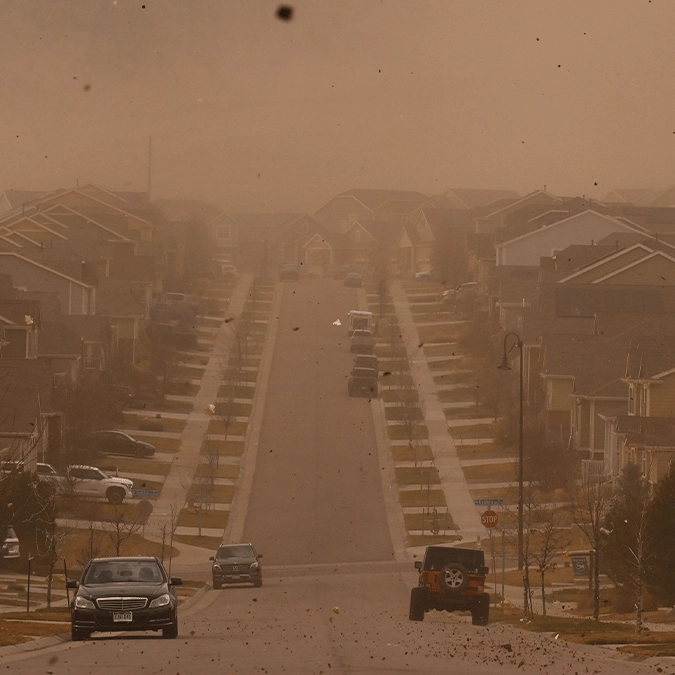
Coccidioides – the fungus that causes valley fever in humans – is found in the soil, and both strong winds and dust storms pull it out and transport the spores throughout the air.
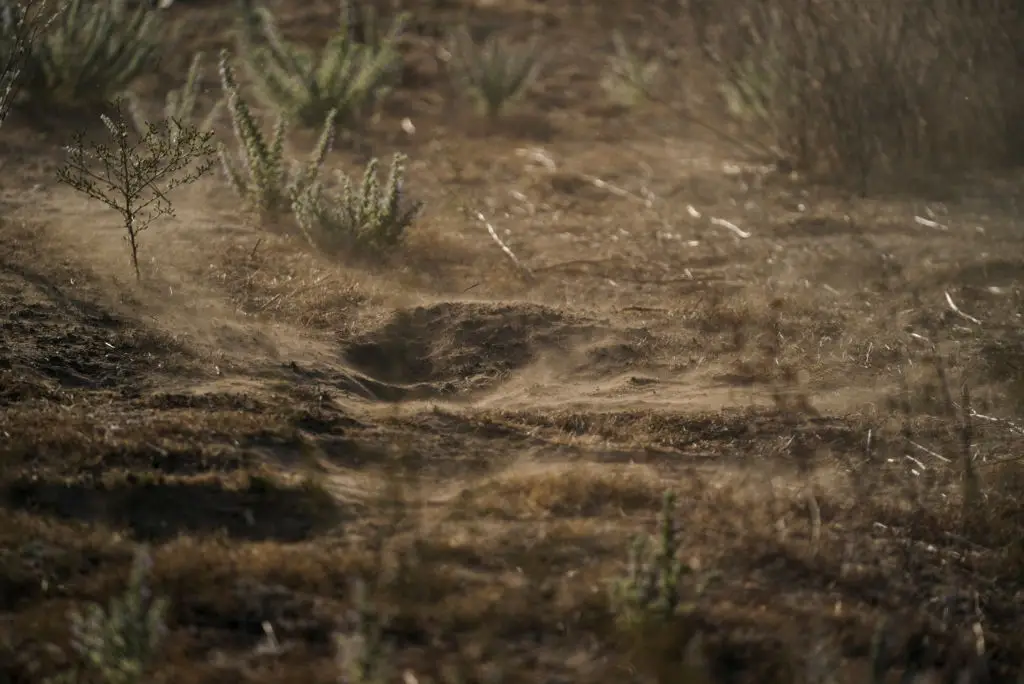
This can cause the infection to spread much further than where the fungus is actually present, with the midwest and central areas of the United States all having the potential to encounter Coccidioidomycosis.
It appears to spread the most during the summer months, but scientists have outlined how the frequency of valley fever cases has increased nearly ten fold in the last 28 years, posing a significant issue to healthcare providers and patients alike.