Dangerous fungal dust storms set to sweep across these US states CDC warns


Anyone living in parts of the southwestern United States and Washington needs to be wary of dust storms and other weather events that might crop up in the future, as experts outline the danger of becoming exposed to 'dangerous' fungus as a result.
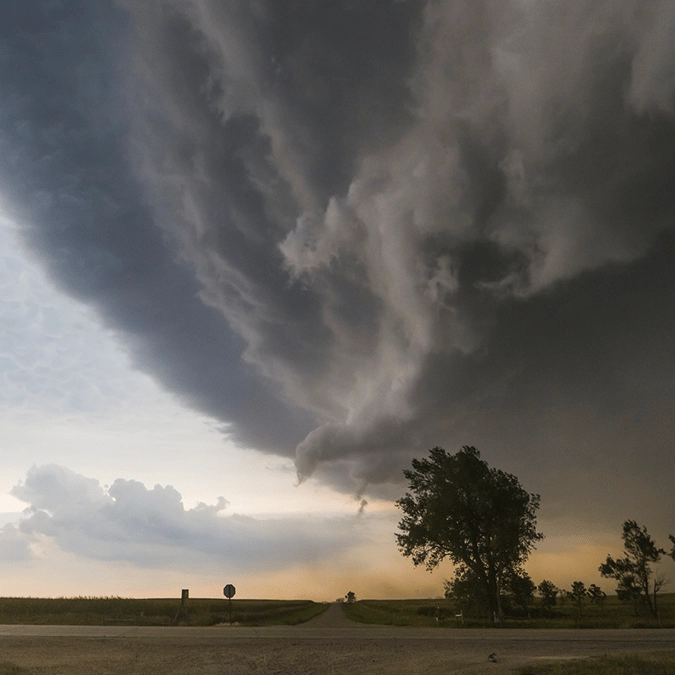
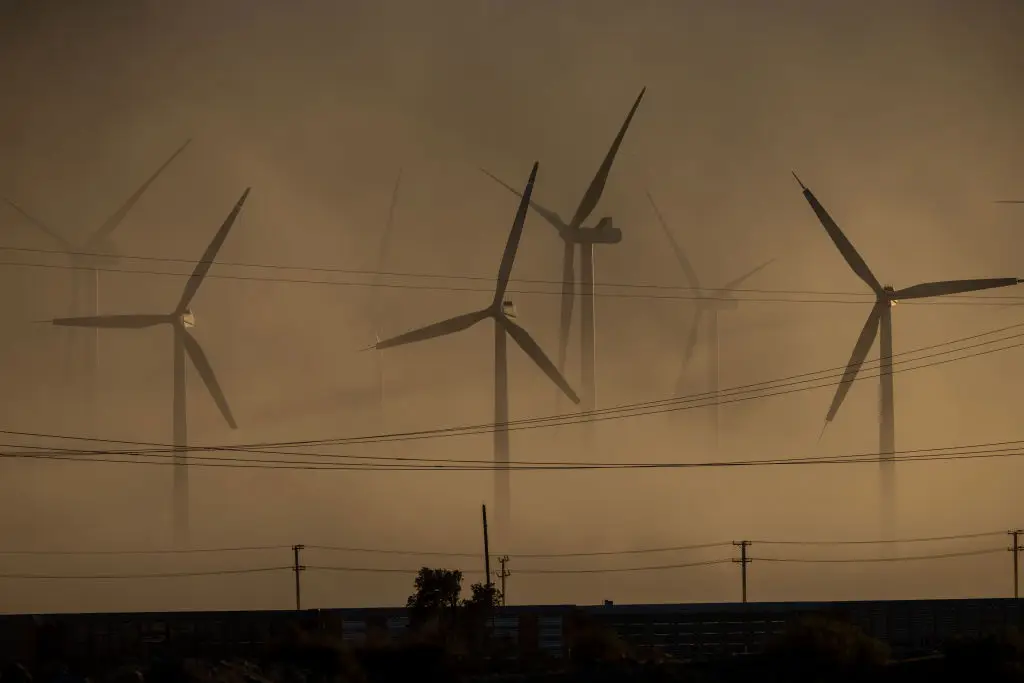
It relates to fungus that is already present in the soil throughout these states, as dust storms and other extreme weather like high winds and floods can bring out Coccidioides spores and an alarming number of people at risk of developing serious health conditions.
Specifically it is likely to cause what's colloquially referred to as 'Valley fever' due to the location where it appears the most, but is scientifically known as Coccidioidomycosis, a potentially fatal lung condition.
It is often contracted by dogs who dig directly into the soil and come in contact with the spores themselves, but thankfully it can't be passed between animals and humans and requires direct contact with the fungus – including in airborne scenarios – to trigger the illness.
CDC issues warnings regarding fungal dust storms
As reported by Fox 10 Phoenix, the Center for Disease Control and Prevention (CDC) has issued a new warning regarding Coccidioidomycosis in reference to the dangers it poses alongside extreme weather events, urging people to remain cautious when encountering things like dust storms and also in spotting the symptoms early.
Advert
It can be very easy to mistake Coccidioidomycosis for something like pneumonia, as while this is also potentially serious for your health, it can cause a delay in getting the correct anti-fungal treatment for those affected by the condition.
Certain studies have suggested that healthcare providers need to adapt and change the way they treat Coccidioidomycosis, with cases increase by roughly 10 times since 1998, indicating that it's a far more serious issue now than a few decades ago.
Which areas are affected by Valley fever?
Maps released by the CDC provide a rough estimate of where Coccidioidomycosis and its associated fungal spores can live and spread, and it covers roughly half the United States showing how wide of an area needs to be cautioned.
The only state where Coccidioides is likely to live everywhere is Arizona, with California, Nevada, Utah, New Mexico, Texas, Oregon, Washington, Wyoming, and Colorado all also having areas where the fungus resides.
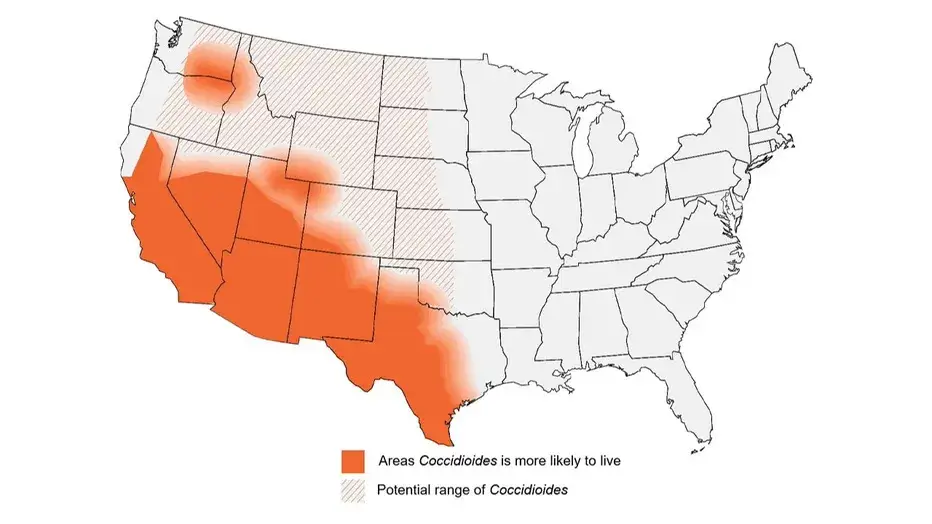
All of these states also are exposed to the spread of the fungus, and therefore run the risk of developing Valley fever, and they are joined by Idaho, Montana, Oklahoma, Kansas, Nebraska, South Dakota, and North Dakota.
What are the symptoms of Coccidioidomycosis?
As mentioned Coccidioidomycosis is likely to feature similar symptoms to pneumonia, making it often difficult for medical professionals and patients alike to spot, with the symptoms including the following:
- Fatigue
- Shortness of breath
- Fever
- Headaches
- Muscle aches
- Joint pain
- Coughs
- Night sweats
- Rashes on your upper body and legs
Having a mix of any of these symptoms should prompt anyone in the affected areas to seek medical advice as soon as possible, as the faster you get it treated the lower the risk is for your health.