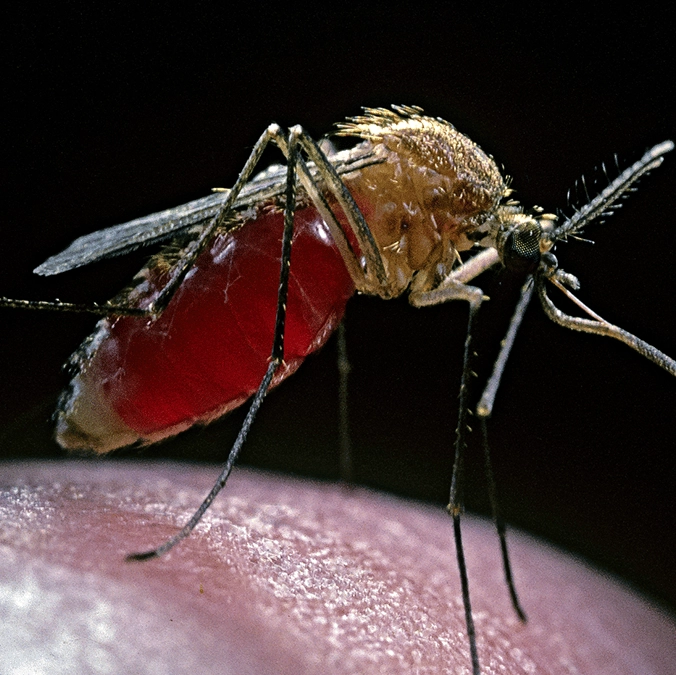
Reason why Google plans to release 32,000,000 infected mosquitoes in these two US states


People are asking about Google's seemingly wild plans to release 32 million mosquitoes into two of the USA's most populated states, but don't worry, the tech giant is doing it with the best intentions in mind.
Mosquitoes are considered the deadliest creatures in the world by the Centers for Disease Control and Prevention, contributing to anywhere between 700,000 and one million deaths a year.
With over 3,7000 types of mosquitoes, they are attributed to diseases including dengue, West Nile, Zika, chikungunya, malaria, and lymphatic filariasis. This means the idea of releasing 32 million of them into the wild is an obvious cause of concern for many.
What is the Google Debug program?
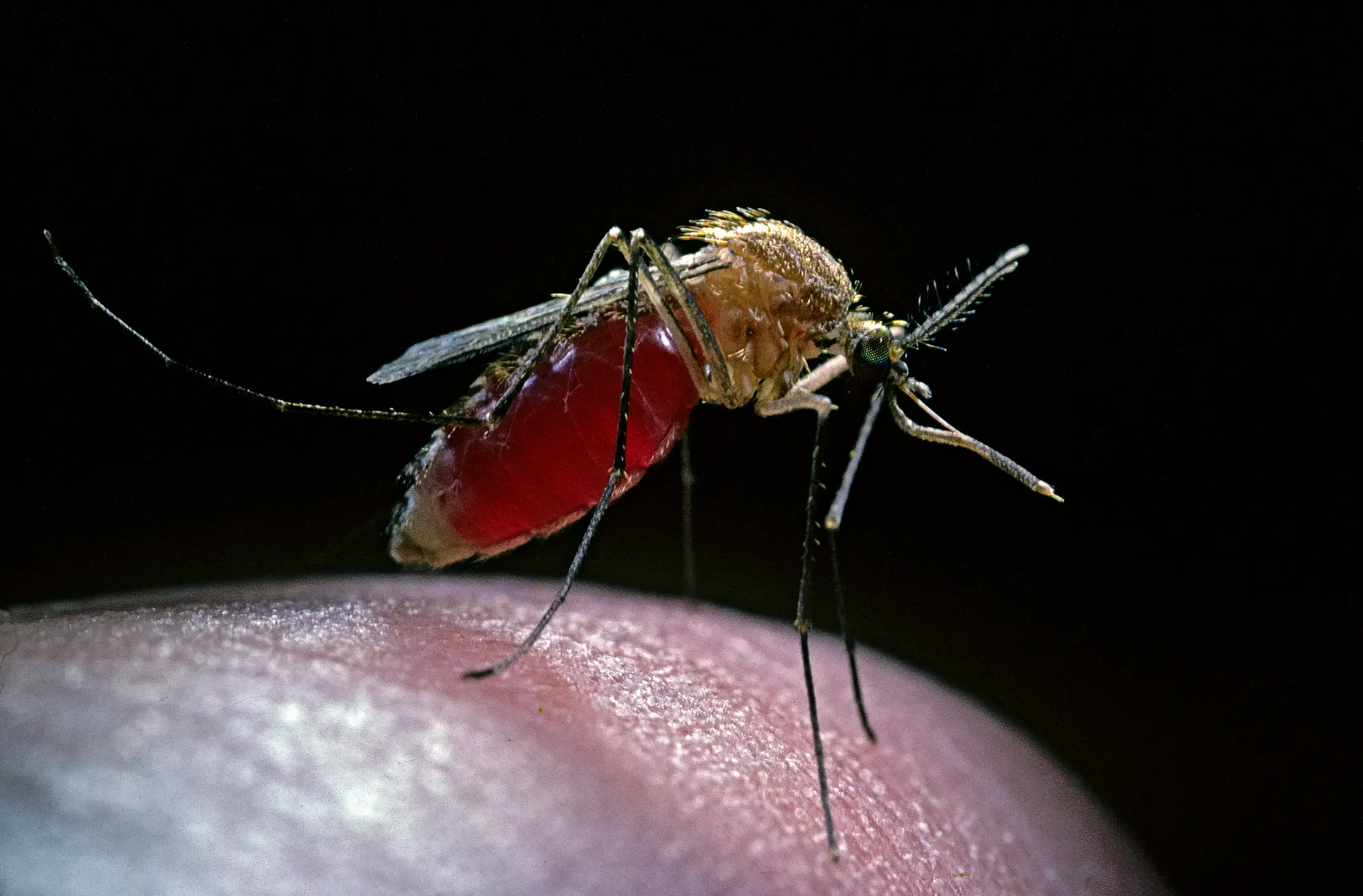
Google wants to expand its plans with the Debug program, boasting the ability to stop the 'bad' bugs with 'good' ones. It hopes to release millions of male mozzies that have a naturally occurring bacterium called Wolbachia. This brilliant bit of science makes them unable to reproduce with wild female mosquitoes.
Advert
The reference to 'wild' mosquitoes means the Culex mosquitoes that are known for carrying West Nile virus and St Louis encephalitis.
On its Debug site, the company states: "Bad mosquitoes spread disease. Good mosquitoes can stop them. Debug is a group of scientists and engineers developing technology to raise and release sterile mosquitoes to eliminate the ones that carry disease."
Female mosquitoes need the protein and iron found in our blood to help develop their eggs, whereas male mosquitoes can't bite or spread disease.
Wolbachia is harmless ot human and lives in insects ranging from bees to butterflies.
When a female mosquito is infected with Wolbachia, she carries it in her eggs. Not only are her offspring born infected, but they sometimes don't hatch at all because it can render eggs non-viable.
Suddenly, the idea of releasing millions of winged monsters into the world doesn't seem so bad.
How does the Sterile Insect Technique work?
We previously reported on how millions of sterilized male New World screwworm flies were going to be released across the U.S.-Mexico border to tackle a terrifying flesh-eating infestation.
Saying we need a new approach on how to deal with mosquitoes, Google adds: "Attacking mosquitoes with pesticides is unsustainable because they’re becoming less effective over time and can be toxic, [and] clearing standing water is not enough because people can never find all the places that mosquitoes breed."
Because Debug uses naturally occurring bacteria instead of chemicals, toxins, or genetic modification, it's considered a much better method than previous attempts at combatting these disease-spreading insects.
Google reiterates that the Sterile Insect Technique has been used to successfully tackle other species for decades, saying that it wants to scale the idea for mosquitoes.
A notice from the Federal Register explains how the Environmental Protection Agency (EPA) is looking over Google’s Experimental Use Permit applications under the Federal Insecticide, Fungicide and Rodenticide Act.
In the first year of the Debug program, 16 million mosquitoes would be released in Florida, followed by another 16 million in California during the next year.
The Debug page reiterates that it will "actively work with organizations like national and local governments, community leaders and research institutes" and spend time with communities to explain how everything will work. This is so that scientists working with the program can "understand local concerns and considerations."
Members of the public are asked to comment and learn more by heading to the Federal eRulemaking Portal and entering EPA-HQ-OPP-2025-3951 as the docket identification number.