Infectious disease doctor urges Americans to avoid these certain foods as cyclosporiasis outbreak spreads


There are few things worse than being caught short in public, but with cases of cyclosporiasis soaring in the USA and now confirmed in 34 states, we pity those in charge of cleaning public bathrooms.
With cyclosporiasis hitting the news due to harrowing reports of this outbreak causing 'explosive diarrhea', you'll want to do anything you can to avoid catching it. The Centers for Disease Control and Prevention (CDC) has reported on 1,645 confirmed cases and another 5,100 suspected cases, with some 3,309 of them being in Michigan.
Things have been getting worse since reports first came in at the start of May, and although cyclosporiasis is regularly reported every year as cases ramp up in the summer months, we're officially at outbreak levels.
Blame was originally laid at Taco Bell's door, with federal and state health officials investigating the fact food giant.
Advert
Taco Bell also voluntarily removed certain ingredients that could be connected to the spread of the illness.
What is cyclosporiasis?
Cyclosporiasis is an infection caused by a microscopic parasite, with this foodborne illness known to cause severe gastrointestinal illness. When infected by the Cyclospora cayetanensis parasite, symptoms will usually start within a week. Alongside the aforementioned watery/explosive diarrhea, other stomach problems are associated with it.
Cyclosporiasis symptoms can include a loss of appetite, nausea and vomiting, a low-grade fever, extreme fatigue, bloating and passing gas, and stomach cramps.
Worse yet, if left untreated, symptoms could take a long time to go away.
Children, adults, and those with weakened immune systems are most at risk, and although outbreaks are uncommon, the USA appears to be in the midst of one.
Typically spread through the fecal-oral route when germs from contaminated poop get into your mouth, this can be via contaminated water or food. Worringly, C. cayetanensis can survive in chlorinated pool water for a long time.
What foods should we avoid during the cyclosporiasis outbreak?
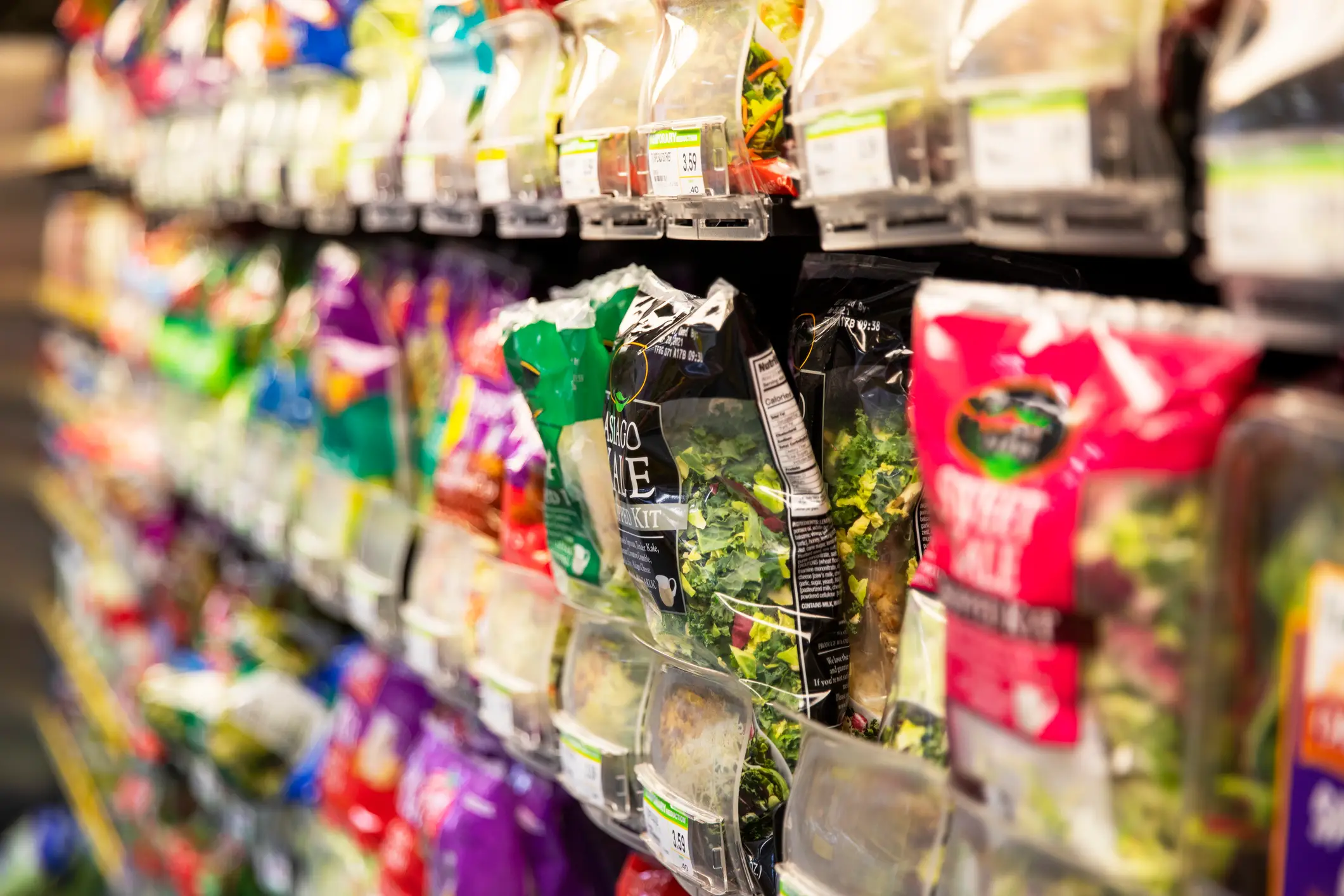
Cyclosporiasis outbreaks have previously been linked to bagged salads, fresh herbs, and berries, with some specifically being traced to basil, cilantro, green onions, raspberries, salad greens, and snow peas.
Speaking to NBC San Diego, infectious disease specialist Richard Smith, M.D., warned against a whole host of fresh produce.
Smith told the outlet, "In summertime, it tends to be a nice environment for the organism to flourish, particularly in watershed areas," then reiterating that diarrhea tends to lead to extreme dehydration and eventual hospital admission.
As fresh produce requires so much water to stay healthy, this is how contamination usually occurs. Smith added: "Products can come from all over the world, and so, I don't think it's a safe thing to assume that it’s not going to reach us."
NBC 7’s Shandel Menezes reminds us that it's not simply a case of washing our produce really well, as Smith goes on to say: "Boil it, if you boil it at a high temperature for a while, then you can be sure the organism is not going to cause problems. Other than that, all bets are off."
The medical professional continued: "If you're somebody that's into going to salad bars on a weekly basis, just give that a rest for a week or two while we figure out where this outbreak is coming from."
For now, we're advised to avoid packaged items and instead opt for whole, uncut produce because it’s typically been handled less. As Smith stated, even a good scrub with soap won't remove this hardy parasite.
Unfortunately, the real impact of this cyclosporiasis outbreak might be unknown, as many tend to try to weather the storm themselves.
In the meantime, you’d better watch what you eat.