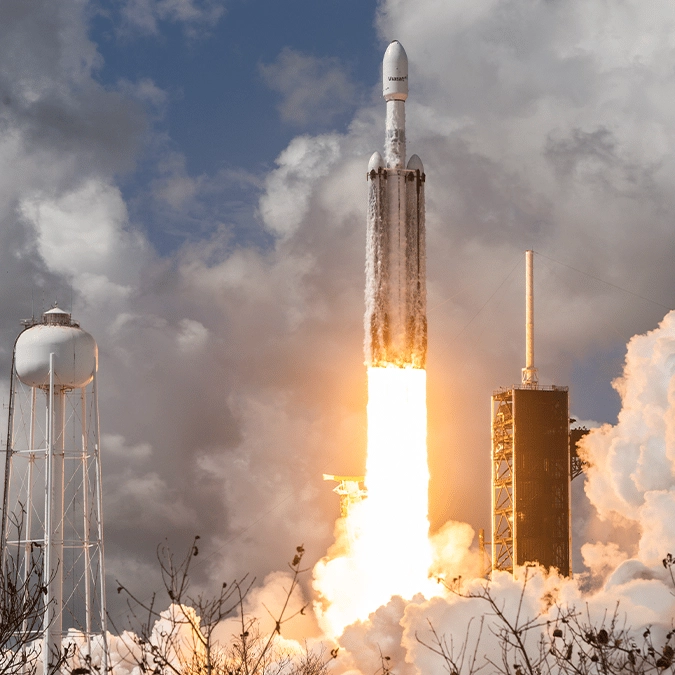
Exactly where you have the best chance of seeing SpaceX's rocket collide with the Moon


NASA has issued a warning as fragments from a SpaceX Falcon 9 rocket are set to collide with the Moon's surface, yet this rare occurance offers an equally attractive opportunity with many wondering how they can observe the moment from down on Earth.
First spotted by Bill Gray, an amateur astronomer who observed the unexpected trajectory, the SpaceX rocket was initially expected to drop back through our planet's orbit and crash into the ocean like the vast majority of space debris, yet it has instead taken a wildly different course.
It is currently travelling towards Earth's nearest natural satellite at a speed of around 5,400 miles per hour (8,690 kilometers per hour), and subsequently is set to create an impact on the Moon's surface that's equal to three tons of TNT when it comes to power.
Thankfully the impact poses no threat to anyone and is not considered dangerous by both NASA or scientists alike, and could even offer vital evidence to be used when a human base is built on the Moon's surface in the near future.
When is the Falcon collision set to happen?
According to Gray's calculations, outlined in his blog post regarding the discovery, the Falcon 9 fragment is set to collide with the Moon on August 5 at roughly 2:34 a.m. EDT.
Advert
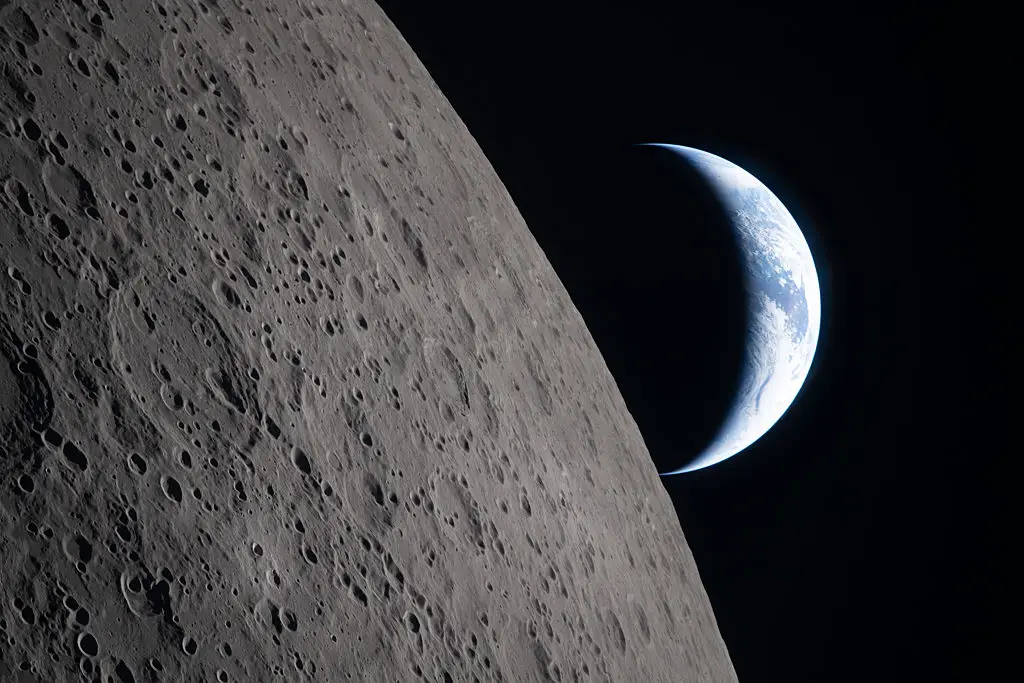
The part that will strike the moon is an upper stage section from the rocket, and this was indeed used for a lunar mission, poetically returning the piece to its original destination — although in a way that many won't have expected.
Scientists are understood to be relishing the opportunity to learn more about the Moon from this collision, although Gray has highlighted the greater level of awareness regarding the disposal of space junk that should equally spawn from the revived interest.
Where is the best place to see the collision from on Earth?
While scientists have admitted that even they might find the collision difficult to spot due to it striking the Moon's sunlit hemisphere, which is likely to obscure the impact flash, there is the chance that you could be able to see it yourself using the right apparatus from Earth.
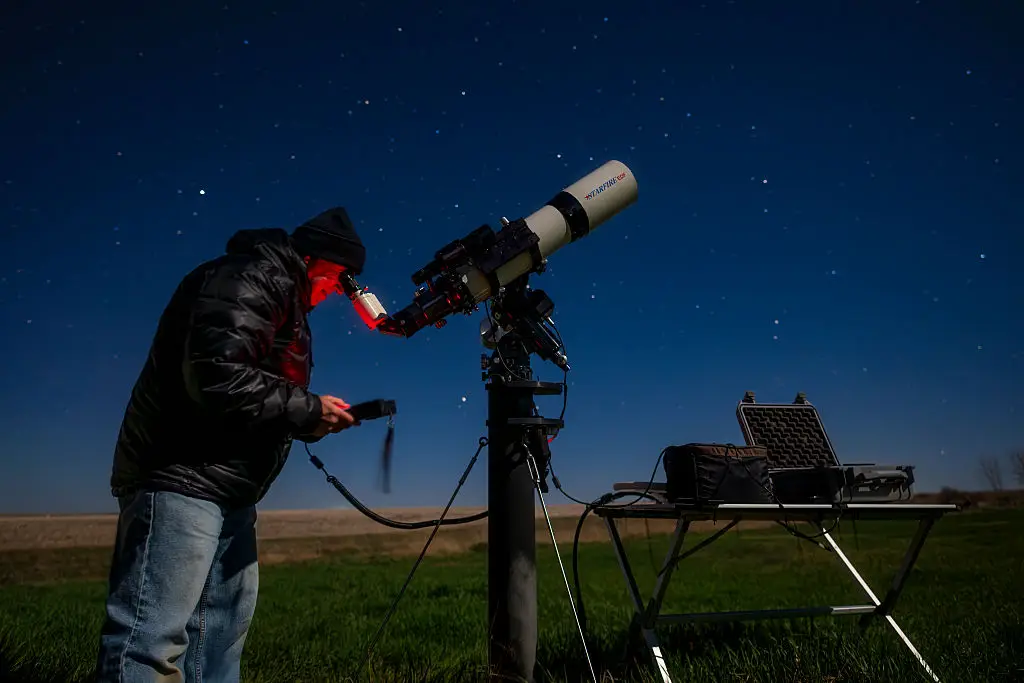
As reported by Space, Brian Day of NASA's Solar System Exploration Research Virtual Institute (SSERVI) indicated that you can view the impact "either with instrumentation you have in your own backyard or you can use ours in orbit around the Moon," adding that "this impact is a great reminder of this wonderful environment on the Moon."
The seemingly untrackable nature of the rocket's landing point makes settling on a definitive answer or location for Earth viewing incredibly difficult, although that will become clearer over time.
"Even though we have tracked it since launch, our idea of when and where it's going to hit are currently fuzzy by minutes and dozens of kilometers," Gray explained, "but we will refine that and get an idea of where it's going to hit."
Those people in areas where it'll be night during the impact with the Moon in view – with the Americas a prime example of this – are in pole position to view the impact although, as Gray notes, things are still up in the air before they crash down on the surface.