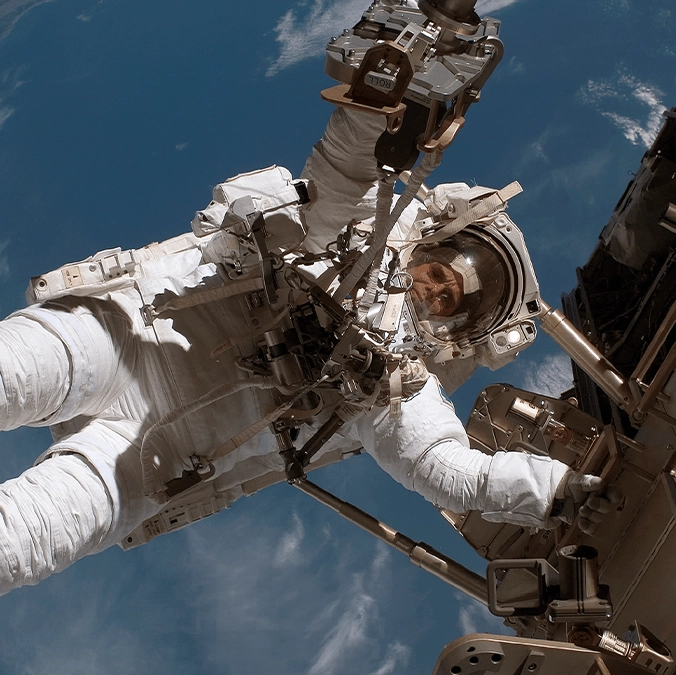
Exactly where the ISS will land when it crashes into Earth in 2030


Space exploration is certainly hitting some major milestones recently, and one that's made headlines is the International Space Station's inevitable demise.
The Artemis II mission is slated to launch early next month, and we've just uncovered more details about last week's medical emergency that forced four NASA astronauts to evacuate the International Space Station (ISS) early, marking the first ever evacuation in ISS history.
But like all good things, the ISS must come to an end after more than twenty years of service in orbit.
NASA and its partners have mapped out the space station's retirement plan, scheduling its controlled descent for late 2030.
Advert
The ISS will be guided to a carefully chosen path in the South Pacific Ocean, called Point Nemo, also known as the spacecraft cemetery. This decision marks the end of what's arguably one of the most extraordinary examples of global scientific collaboration.
Point Nemo ranks among the most isolated places on Earth and has served as the final resting place for hundreds of decommissioned satellites and space stations over recent decades.
“This remote oceanic location is located at coordinates 48°52.6′S 123°23.6′W, about 2,688 kilometres [1,670 miles] from the nearest land — Ducie Island, part of the Pitcairn Islands, to the north; Motu Nui, one of the Easter Islands, to the northeast; and Maher Island, part of Antarctica, to the south,” explained officials with the US National Oceanic and Atmospheric Administration.
While the ISS is larger than any object previously brought down from space, its remote location minimises the risk of debris hitting populated areas, ships or infrastructure.
NASA has developed a complex plan for safely disintegrating the station, which will rely on a reinforced version of SpaceX’s Dragon capsule. The spacecraft has been specially engineered to manage the unique requirements of such a massive object.
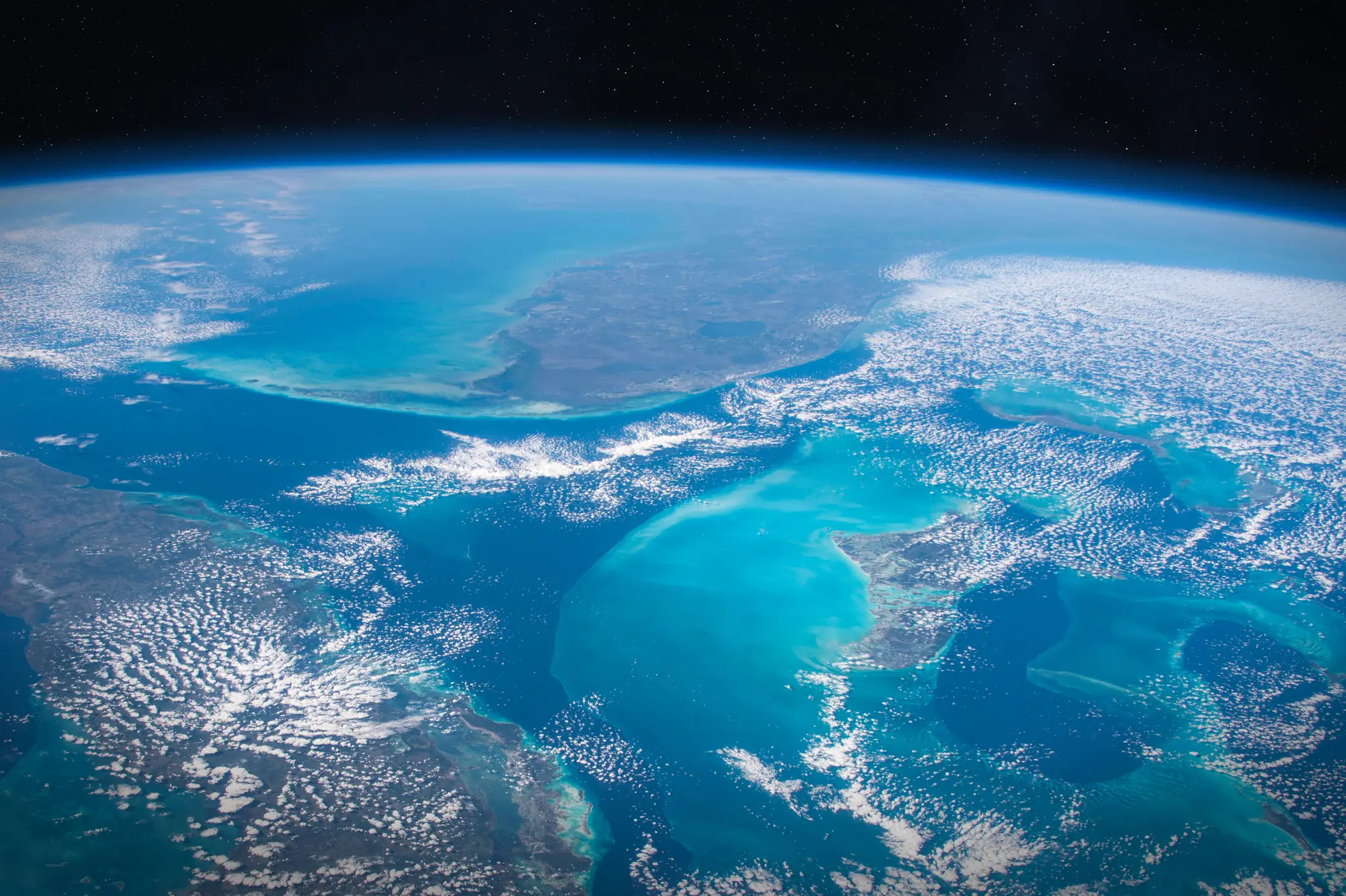
“NASA engineers expect breakup to occur as a sequence of three events: solar array and radiator separation first, followed by breakup and separation of intact modules and the truss segment and finally individual module fragmentation and loss of structural integrity of the truss,” Space.com officials wrote about the ISS transition plan.
The plan aims to maximise the amount of the ISS that burns up during reentry into Earth's atmosphere, limiting the number of pieces that make it through.
“As the debris continues to re-enter the atmosphere, the external skin of the modules is expected to melt away and expose internal hardware to rapid heating and melting,” NASA added. “Most station hardware is expected to burn up or vaporise during the intense heating associated with atmospheric re-entry, whereas some denser or heat-resistant components like truss sections are expected to survive reentry and splash down within an uninhabited region of the ocean.“