uniladtech homepage
  • News
    • Tech News
    • AI
  • Gadgets
    • Apple
    • iPhone
  • Gaming
    • Playstation
    • Xbox
  • Science
    • News
    • Space
  • Streaming
    • Netflix
  • Vehicles
    • Car News
  • Social Media
    • WhatsApp
    • YouTube
  • Advertise
  • Terms
  • Privacy & Cookies
  • LADbible Group
  • LADbible
  • UNILAD
  • SPORTbible
  • GAMINGbible
  • Tyla
  • FOODbible
  • License Our Content
  • About Us & Contact
  • Jobs
  • Latest
  • Archive
  • Topics A-Z
  • Authors
Facebook
Instagram
X
TikTok
Snapchat
WhatsApp
Submit Your Content
Exactly where 1,100lbs Soviet satellite could crash into Earth at 17,000mph this week

Home>Science>Space
Published 09:13 6 May 2025 GMT+1

Exactly where 1,100lbs Soviet satellite could crash into Earth at 17,000mph this week

Likely to crash back on Earth in one piece, the lost satellite could be deadly

Rikki Loftus

Rikki Loftus

google discoverFollow us on Google Discover
Featured Image Credit: Dragon Claws/Getty Images
Space
Science
News
History

Advert

Advert

Advert

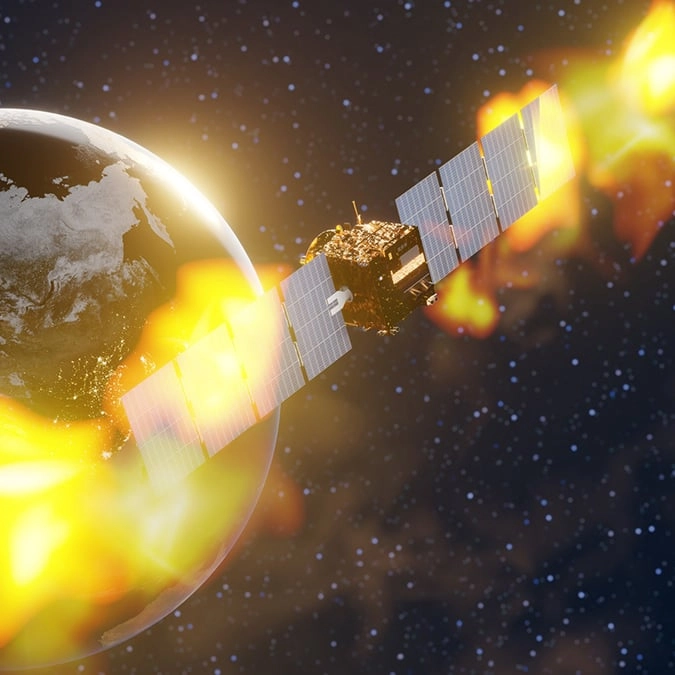
A 1,100lbs Soviet satellite is expected to crash down back on Earth at 17,000mph this week.

The lost satellite was launched into space over 50 years ago and scientists are predicting that it could crash land anytime between May 9 and May 13.

And one astronomer believes to have an answer as to where on our planet it will land, with the entirety of the UK being in the firing line.

As part of the Kosmos 482 probe, the satellite was originally launched into space by the USSR in 1972 in order to collect information on Venus.

Advert

However, the probe suffered an engine malfunction while still in Earth’s orbit and it broke into four separate pieces.
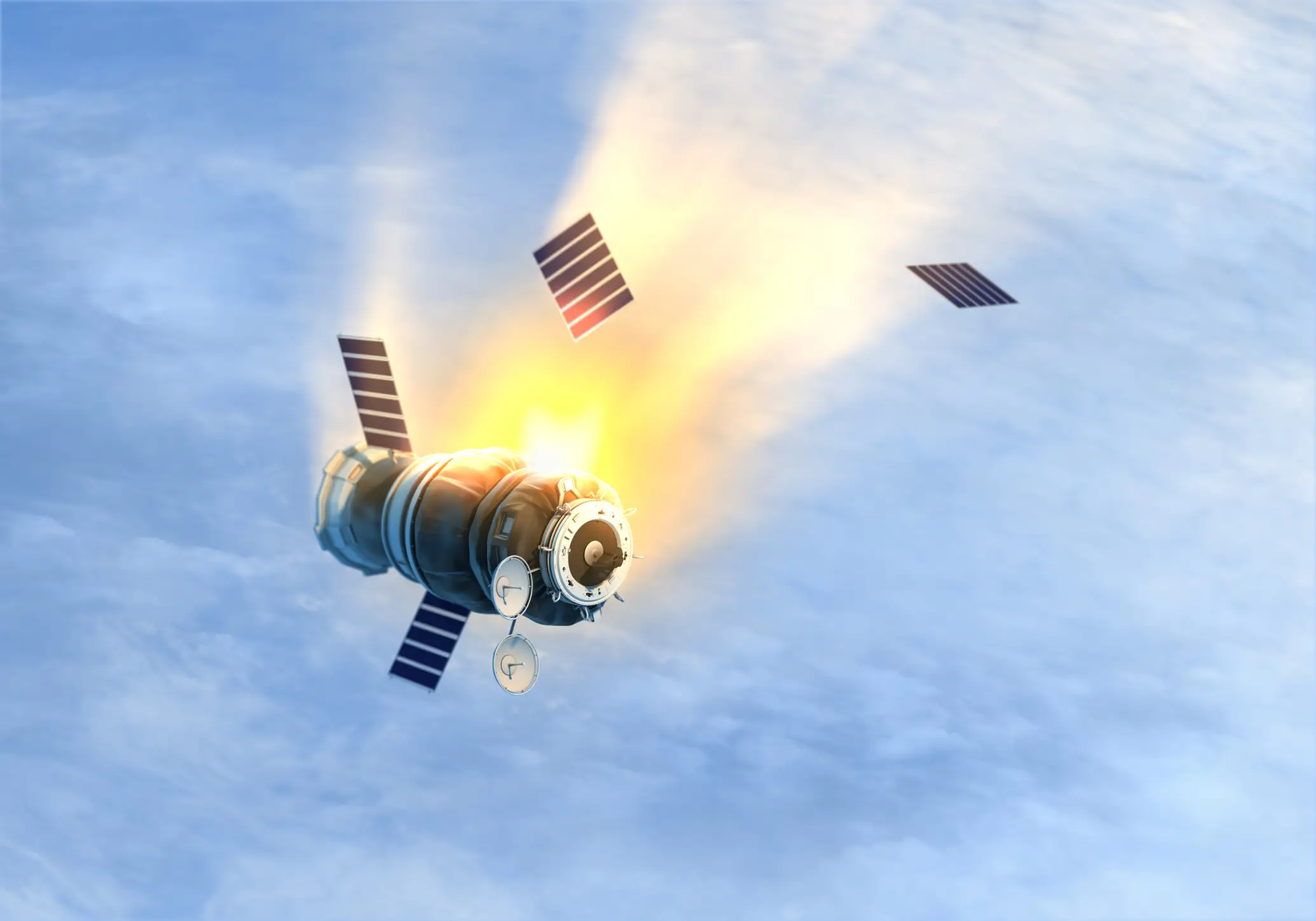
The satellite is expected to return to Earth this week (Petrovich9/Getty Images)

While the other pieces burned up over New Zealand, the final missing object, which was the probe’s landing module, is making its way back to Earth, according to experts.

Speaking to the Daily Mail, Dr Marco Langbroek who is a satellite tracker and astronomer at the Delft University of Technology, believes that the Soviet satellite will arrive back on Earth somewhere between latitude 52 degrees north and 52 degrees south.

If he is correct then this will mean that the satellite could hit the UK, with places south of Cambridge including Ipswich and Milton Keynes at risk of being struck.

And it’s certainly worrying if the space junk hits a populated region because, traveling at 17,000mph, it could be deadly if it were to collide with people.

Because this final piece of the satellite was designed to safely land on Venus, it is unlikely to burn up as it re-enters the Earth’s atmosphere and instead will likely land in one piece.

Langbroek added: “The risks involved are not particularly high, but not zero.”
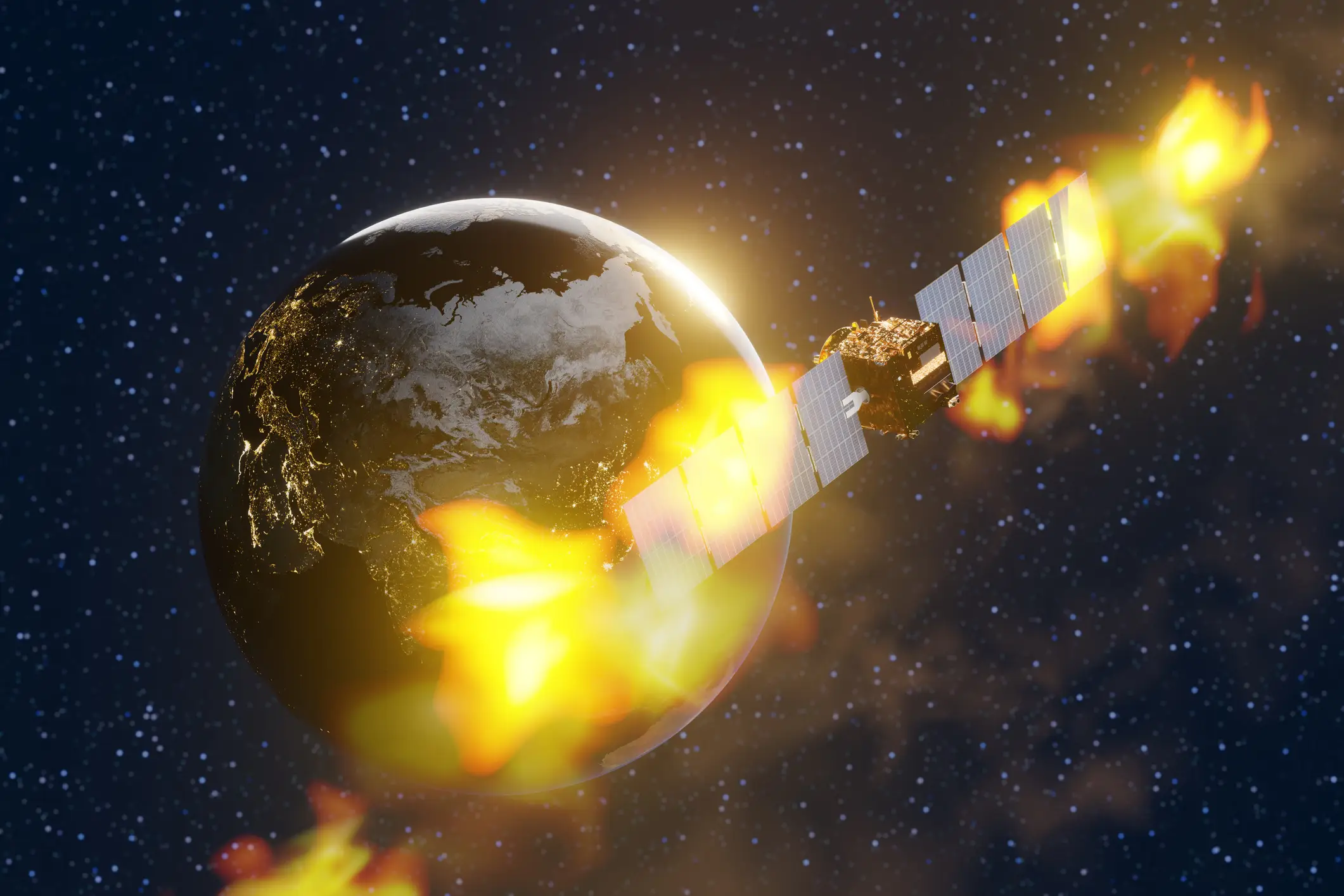
The satellite was first launched into space over 50 years ago (Dragon Claws/Getty Images)

It’s not clear yet where the object will land and predictions could change at the last minute due to solar weather that could move it off its course.

In a blog post, Dr Jonathan McDowell, who is an astronomer who tracks satellite re-entries, wrote: “The vehicle is dense but inert and has no nuclear materials.

“No need for major concern, but you wouldn't want it bashing you on the head.”

He continued: “In which case I expect it’ll have the usual one-in-several-thousand chance of hitting someone.”

Also speaking to the Daily Mail, McDowell went on to say: “If this were to cause damage – or worse, to hurt someone – that would be something that the Russian government would be liable for.”

Choose your content:

13 hours ago
17 hours ago
a day ago
  • NASA/JPL-Caltech
    13 hours ago

    NOAA issues warning as 'Super El Niño' officially begins as hottest year on record approaches

    This could have a negative knock-on effect around the world

    Science
  • Vidmar Fernandes via Getty
    17 hours ago

    Scientists may have finally solved mystery of space’s strange 1.4-Hour radio signal

    The strange signal has been baffling astronomers since 2005

    Science
  • Andrew Harnik / Staff via Getty
    a day ago

    How SpaceX’s $1.8T IPO plans to turn cafeteria workers into overnight millionaires

    One financial expert has weighed in on the chances that humble SpaceX employees could strike it rich

    Science
  • Dejan Krstevski / Getty
    a day ago

    Doctor breaks down what 30 push-ups a day actually does to your body

    This could help you live for longer

    Science
  • 1,300lb NASA satellite will crash into Earth today as space agency reveal risk it will hit humans
  • Science says doing this for 90 minutes a week could add years to your life
  • Scientists discover 'iron bar' that could show exactly how Earth will end
  • Brightest comet of the year is passing Earth this week, make sure you don't miss it