The one sea on Earth that touches no land is hiding in the Atlantic Ocean


Known as the Sargasso Sea, the ring of water sits approximately 590 miles east of Florida and never touches land.
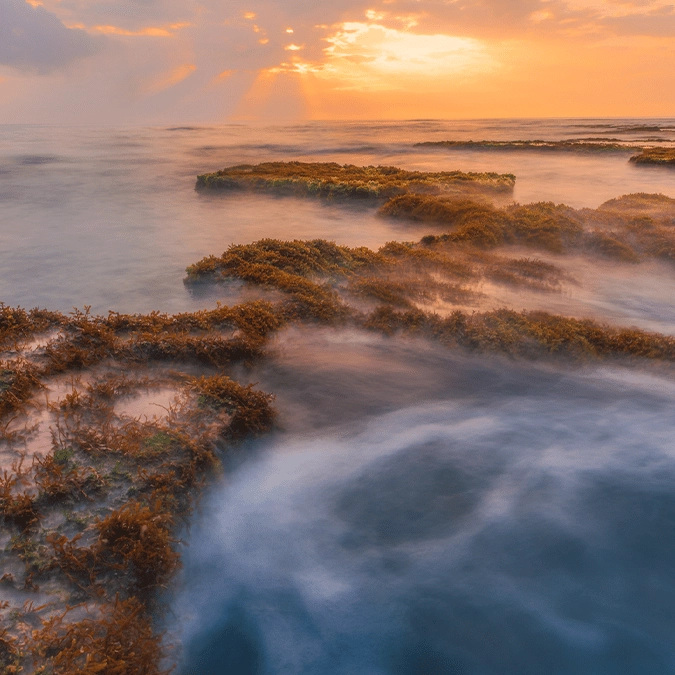
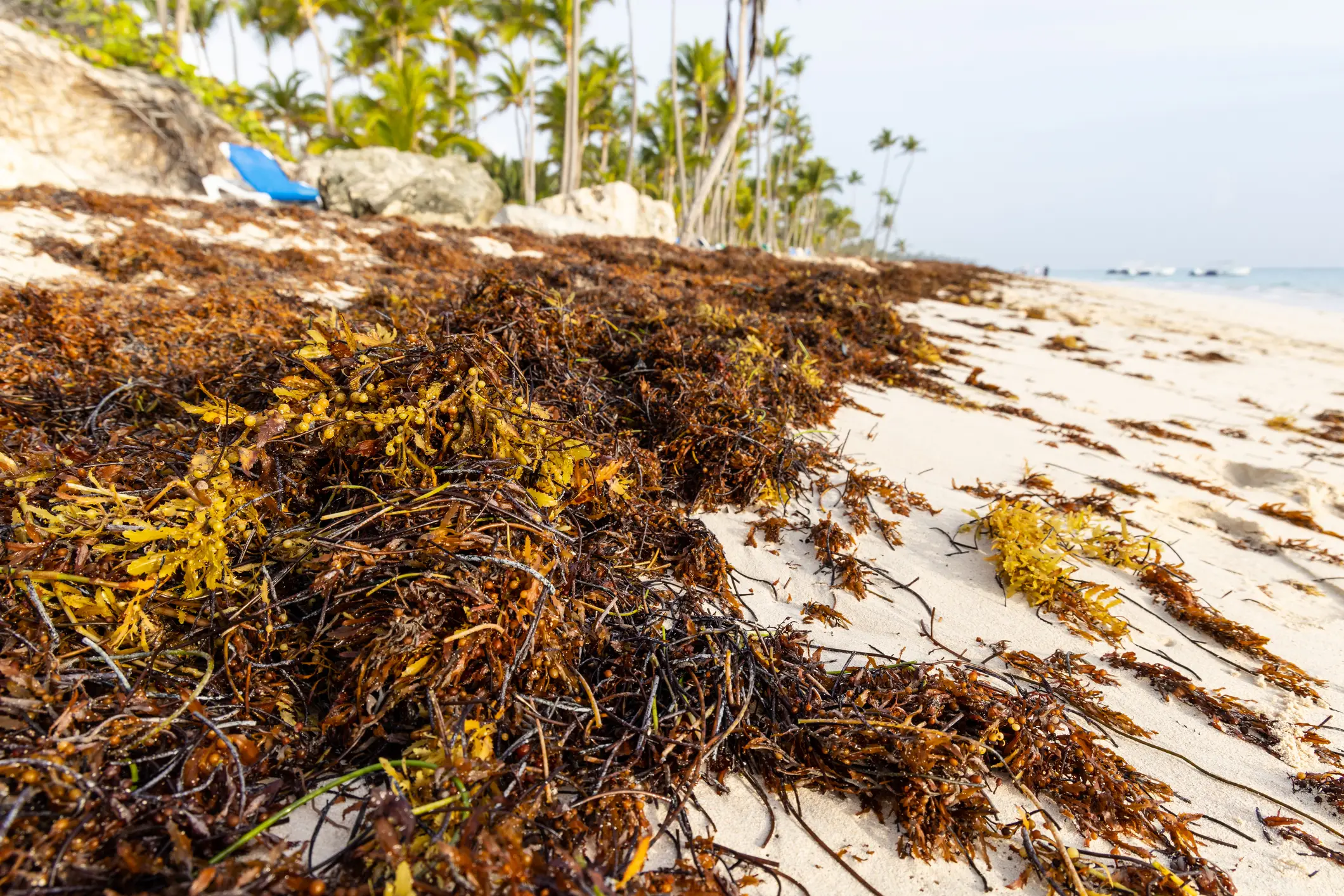
What sets this ocean region apart is its surface, which is scattered with golden-brown seaweed called Sargassum - a type of grape-like algae. This floating vegetation gives the sea its name and creates a unique marine ecosystem.
Beneath the surface, the Sargasso Sea supports an incredibly diverse community of marine life, including porbeagle sharks, white crabs and young loggerhead turtles who hide under the seaweed until their shells harden.
Advert
In fact, researchers have identified more than 100 invertebrate species in this stretch of water which is why The Sargasso Sea Commission designated the region as a 'haven of biodiversity' in 2014. In summer, the surface warms to about 82–86 °F; in winter, it cools to roughly 64–68 °F.
The Sargasso Sea also plays a huge role in ocean circulation by driving important mixing processes that help push warm, salty water northward and then, returning the cooler water southward. As a result, this creates a natural conveyor belt that helps stabilise weather patterns across the Atlantic.
However, this unique ecosystem also faces several threats.
Chemical oceanographer Nicholas Bates and colleagues at the Bermuda Institute of Ocean Sciences sampled the Sargasso Sea for two years to discover alarming changes in its condition.
Speaking to LiveScience, Bates said: “The ocean is the warmest it’s been for ‘millions and millions of years,’” but changing global temperatures could change whether 'it rains or where it doesn’t.'
Since the 1980s, the average temperature has increased by around 1 °C. Consequently, warmer surface layers resist vertical mixing, starving deeper waters of oxygen and nutrients.
The Sargasso Sea has also become home to what researchers call the North Atlantic Garbage Patch - a massive accumulation of floating plastic debris. The surface of this area is primarily covered with microplastics, many of which originate from common household items.
According to one survey (via Earth.com), there are roughly 200,000 pieces of debris per square kilometre (or 518,000 per square mile), spread over hundreds of miles.
Meanwhile, climate change has led to stronger hurricanes and hotter summers, which have caused the Sargassum to grow so rapidly in the Caribbean that beach resorts hire bulldozers to clear it away.
When excess seaweed sinks and rots, it releases greenhouse gases, transforming what was once a carbon sink into a source of emissions. Governments are now weighing a treaty to curb plastic discharge at sea and expand no-take zones around key migratory corridors.
Scientists report that, while no single solution will restore the Sargasso Sea to its pristine condition, combined conservation efforts could preserve its ecosystem long enough for broader climate solutions to take effect.