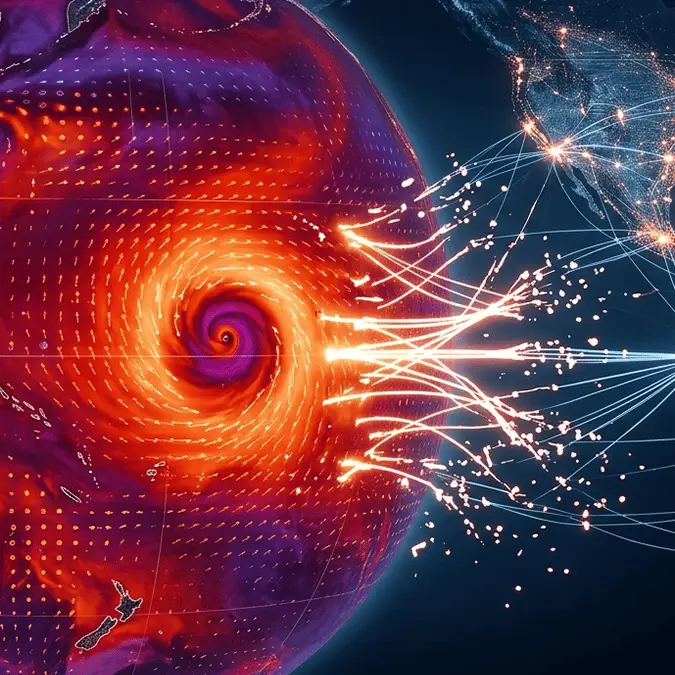
Is a ‘Super El Niño’ about to cause total internet blackout? The reality behind the warning


The upcoming 'Super El Niño' is sparking fears worldwide, with the US National Oceanic and Atmospheric Administration warning it could hit in July this year. Now, some a fearing the supercharged weather event could trigger an 'internet blackout', and while this is certainly hyperbole, severe infrastructural damage is a real threat in ways you might not even realize.
What is a ‘Super El Niño’ and Why is It Sparking Fears?
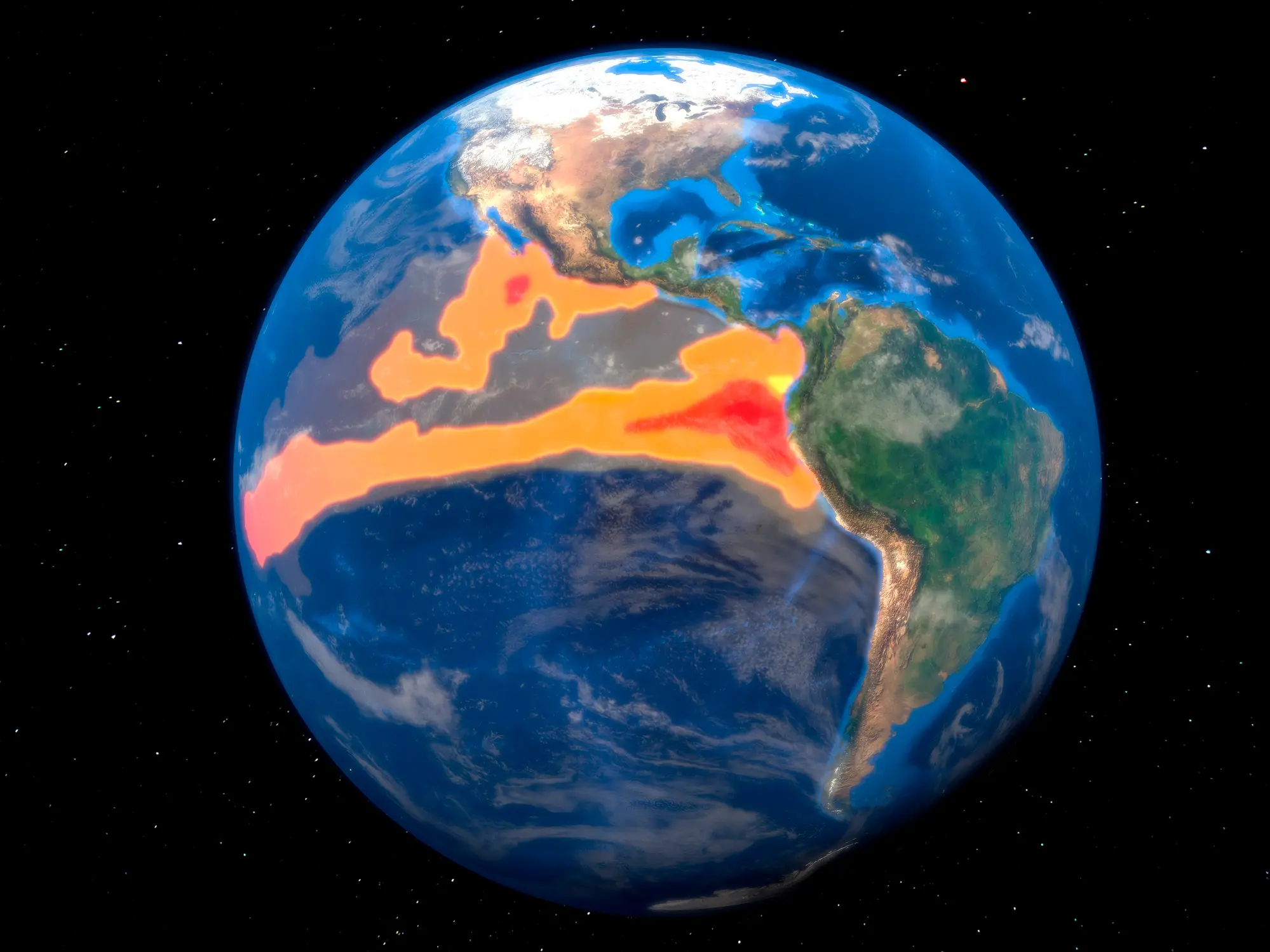
El Niño is a climate pattern triggered by the warming of sea surface temperatures in the central and eastern Pacific Ocean. When those temperatures rise at least 0.5 degrees Celsius above the long-term average, it sets off a chain reaction that disrupts wind and rainfall patterns around the world. The aftermath can result in flooding in some regions and drought in others, putting pressure on food systems, water supplies, infrastructure and public health.
A 'super' El Niño supercharges extreme weather events, enhancing the typical impacts of El Niño even more
When is El Niño Expected to Arrive?
Weather forecasters at the US National Oceanic and Atmospheric Administration have warned there is an 80 percent chance of a 'Super El Niño' developing by July of this year.
Advert

“There’s definitely something coming," said Adam Scaife, head of long-range prediction at the UK Met Office. "We’re very confident about that, and it looks like it will be a big event.”
He added that if a severe El Niño does develop as forecast, it 'could easily' help set a new record for global warmth in 2027.
For countries beyond the Pacific such as the UK, the effects may arrive later but are still likely to be felt, either by hotter summers or colder winters.
If the event overlaps with human-driven climate change, the combined impact could push global temperatures to more extreme levels.
The Science: How Could a Climate Event Crash the Internet?
According to scientists and infrastructure analysts, a prolonged Super El Niño could disrupt major parts of the global internet. This is because of the underlying data centres, packed with hundreds of thousands of powerful computer chips, that maintain everything from AI and cloud storage to financial systems.
Keeping those chips from overheating requires enormous quantities of electricity and water. However, a Super El Niño puts both resources under severe strain as data from the Uptime Institute and the World Resources Institute showed.
When outdoor temperatures remain extreme for weeks, the cooling systems in data centres have to work twice as hard to remove heat from the atmosphere.
Overworking the cooling systems can eventually cause them to fail.
Similarly, many data centres rely on 'evaporative cooling' which can consume hundreds of thousands of gallons of water a day. If local water supplies run dry, data centres would be forced to switch to electrical cooling systems, putting more demand on already strained power grids.
Meanwhile, the DOE reported that data centres are projected to consume up to 12% of the entire US electricity supply in the coming years, driven largely by the AI boom.
In the event of rolling blackouts due to heat, data centres will have to switch to diesel backup generators. If the generators overheat in the sun, the servers will go dark and cause a major outage.
Is a 'Total Internet Blackout' Actually Possible?
While nothing is certain, data reports displays a worrying picture.
The XDI Global Data Centre Risk Report, which covered nearly 9,000 operational and planned data centres worldwide, warned that critical digital infrastructure hubs in the US, Germany, Japan, China, and the UK face rising risks of physical damage and operational failure due to extreme climate events.
The report predicted that data centre insurance costs could triple or quadruple if adaptation measures are not put in place.