Record-breaking monster El Niño is forming and the last time it was this bad it killed 60M people


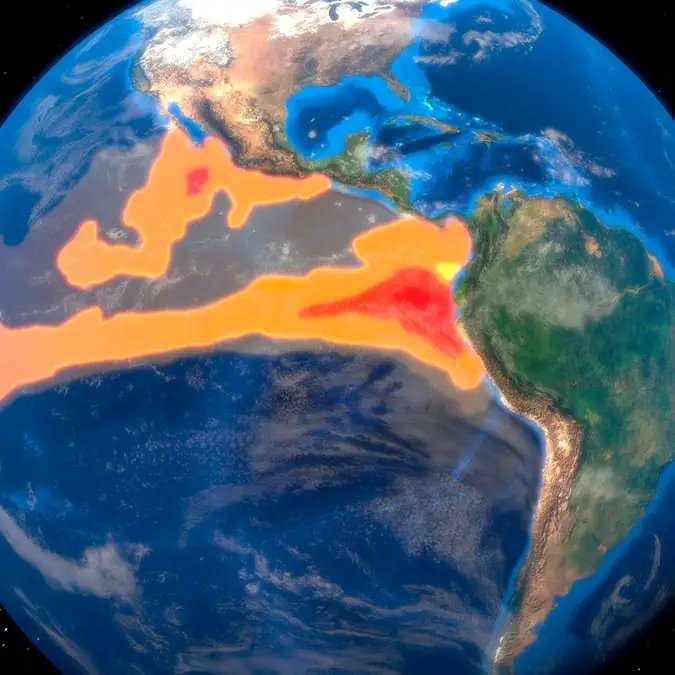
A potentially record-breaking monster El Niño weather event is forming across the Pacific Ocean, with experts warning that it could bring about catastrophic conditions.
Scientists have warned the public that this could bring extreme heat, deadly floods, droughts and economic chaos across the globe, as the last time it was this bad, it caused the deaths of a whopping 60 million people.
An El Niño is a complex climate pattern which involves the warming of sea surface temperatures in the central and eastern part of the Pacific Ocean.
This leads to knock-on effects with weather globally, including the shifting of rainfall patterns, leading to floods and droughts in certain areas.
Advert
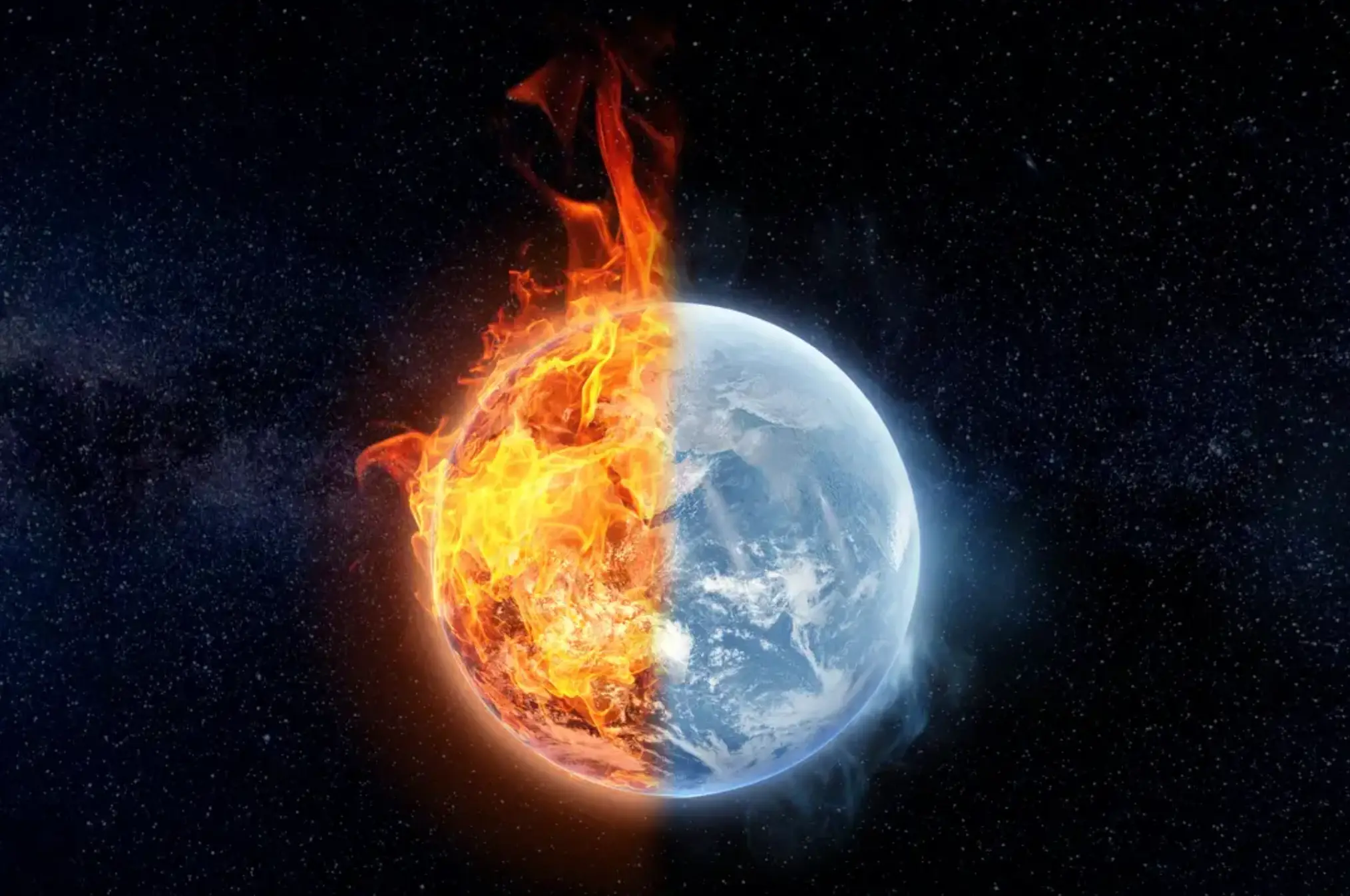
Back in 1877, the world suffered one of the deadliest climate disasters in recorded history when a massive El Niño event disrupted weather patterns across huge parts of the world.
This caused extreme drought in countries including India, China, Brazil and regions of Africa, with crops failing on a huge scale, rivers dried up and food shortages spiralled into famine.
Historians and climate researchers estimate the combined death toll from the global famines linked to the 1877 El Niño reached somewhere between 30 and 60 million people.
Researchers around the world now fear that another monster El Niño could be on the way and might push the planet into even more dangerous territory because global temperatures are already being supercharged by climate change.
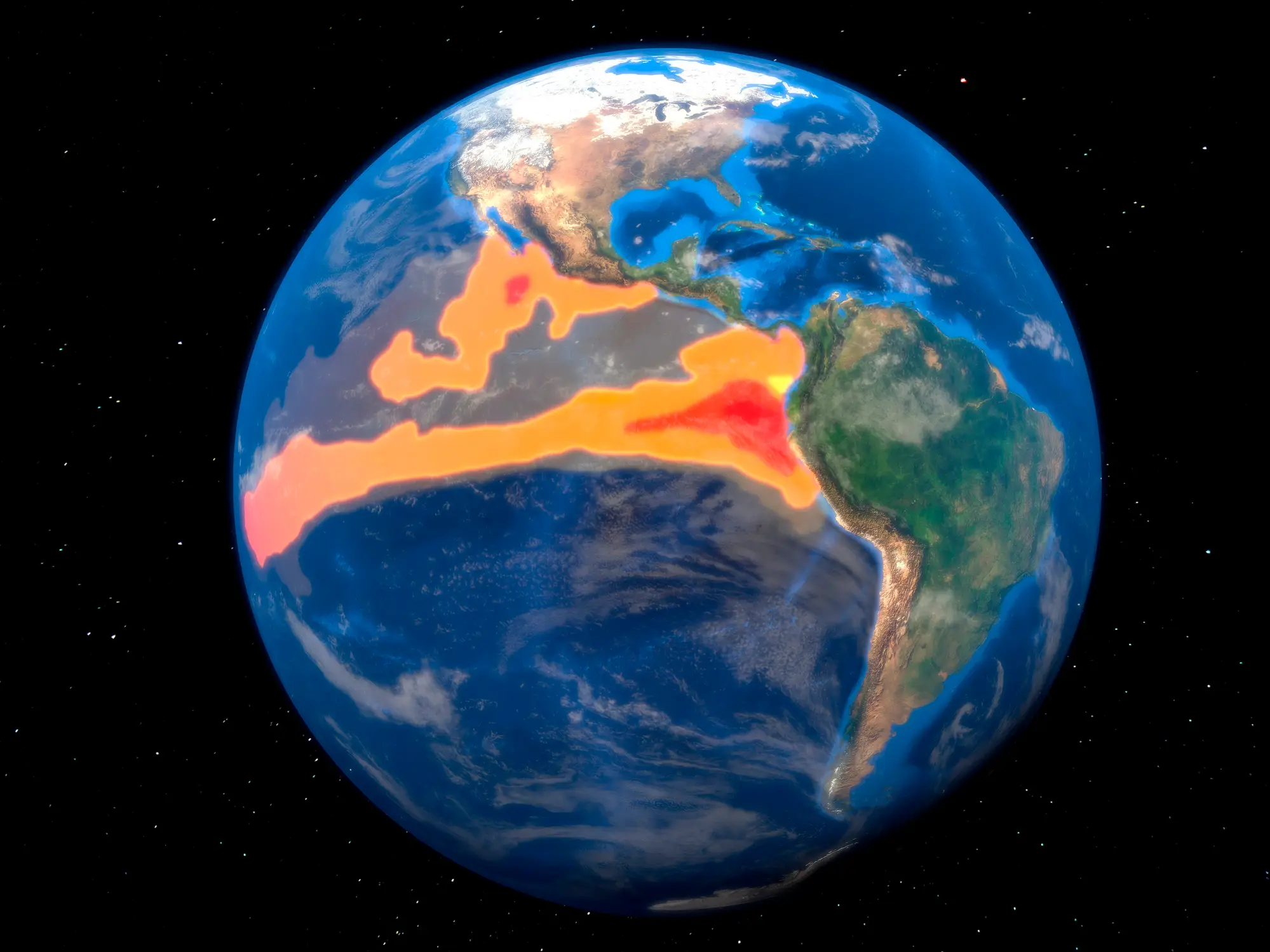
Scientists have stressed that today’s forecasting systems and disaster response networks are far more advanced than they were during the 19th century, making a death toll on the scale of the historical famines far less likely, although experts are still warning the public that the economic and humanitarian impacts could be enormous if the event intensifies.
Paul Roundy, who is a professor of atmospheric science at the State University of New York at Albany, also took to social media to share his thoughts on the matter.
On X, formerly Twitter, he wrote: “The shift in ECMWF Nino 3.4 solidly into record territory reflects the additional momentum injected into the ocean over the last month. The model isn't well simulating the subseasonal wind stress signals, but once these signals are integrated into the model ocean, amplitude expresses. Confidence is clearly shifting higher on potentially the biggest El Niño event since the 1870s. The next substantial westerly wind event will likely occur during the last 10 days of May.”