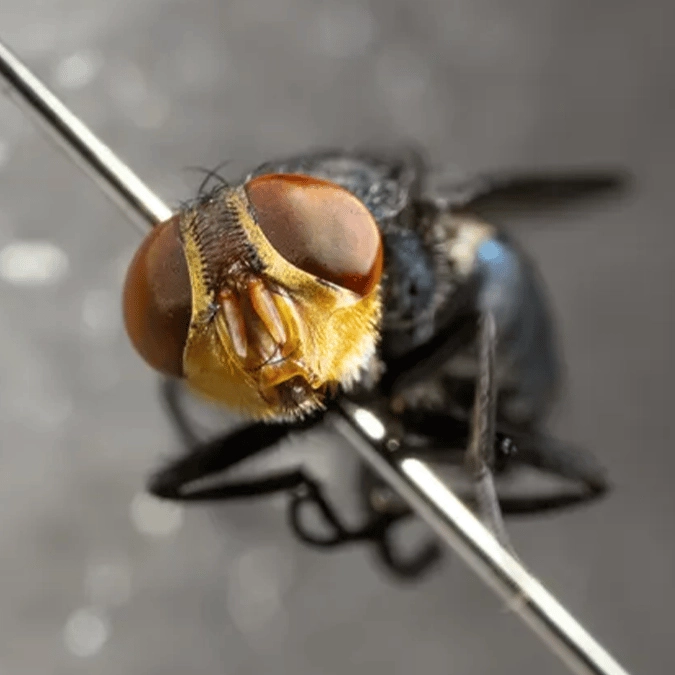
Flesh-eating screwworm found within miles of US border could cause millions of dollars in economic damage


The U.S. Department of Agriculture (USDA) has revealed evidence of a devastating flesh-eating screwworm within 31 miles (50 kilometers) of the American border with Mexico, with experts outlining the potentially millions of dollars worth of economic damage they could cause if they cross into the States.
These frightening flies have been on the radar of farmers and agricultural experts for over a year, with many fearful that their increased spread could infect local livestock and cause chaos as a result.
It appears as if the latest alert marks the closest these bugs have been found to the United States, with the New World Screwworm fighting back against efforts from the USDA with its continued path north.
As reported by Reuters, the continued spread won't just impact the economic viability of local famers but also the cost of beef across the nation, as many will have pay more money for their meat thanks to scarcity that comes as a result of the bugs.
What are New World Screwworms?
New World Screwworm flies, otherwise known by their scientific name, 'Cochliomyia hominivorax', are a form of parasitic blowfly that are typically present in the Western Hemisphere's tropical regions, although they are growing increasingly common in areas close to the United States.
Advert
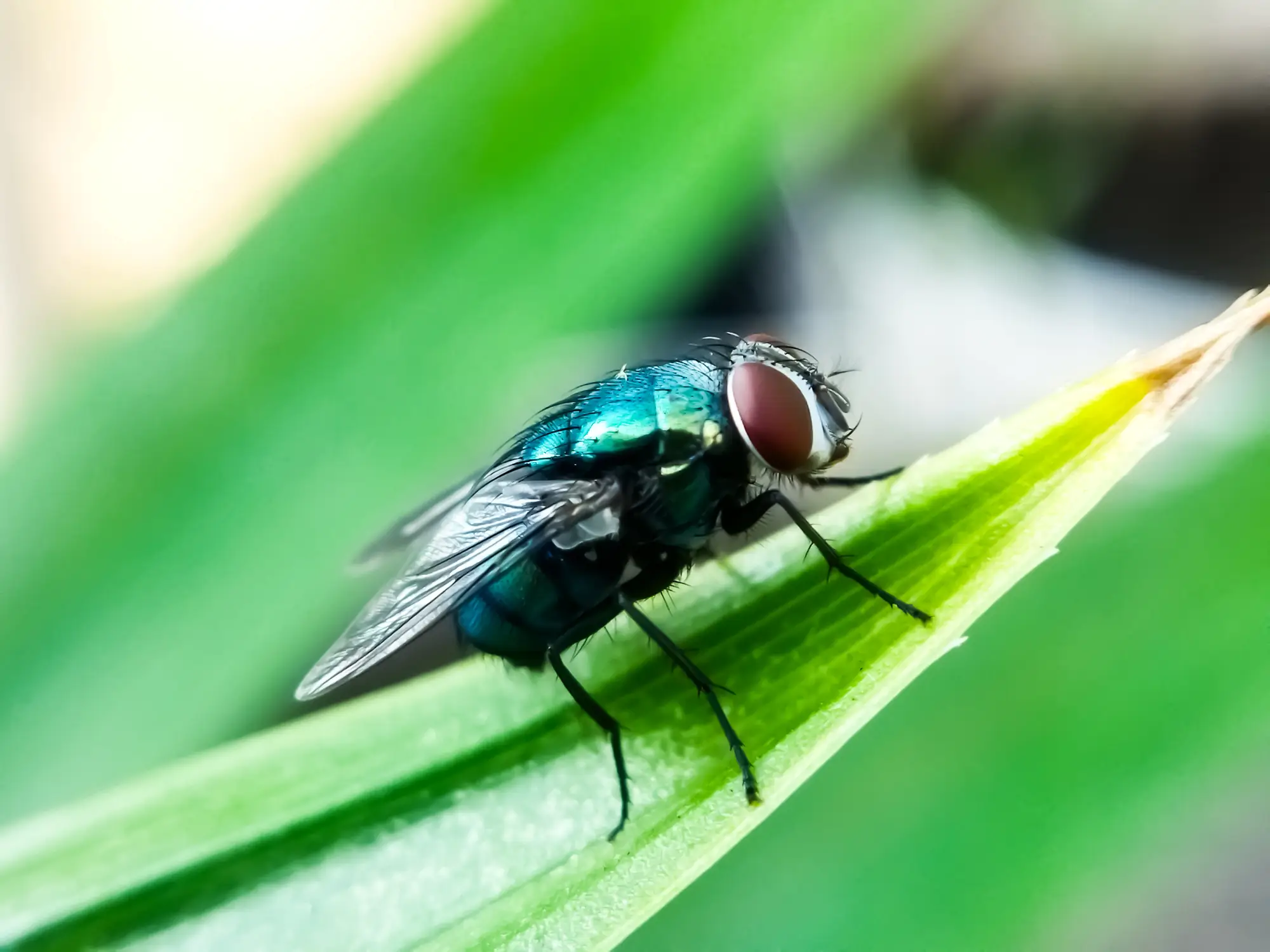
They differ from most other 'normal' flies by eating away at healthy bodies, as while maggots typically only go for dead flesh or putrid wounds, the food of choice for the New World Screwworm makes them a particularly threatening prospect.
As a consequence, the screwworms create wounds within healthy animals, attracting more flies which then damage the flesh even further, causing a chain reaction that's difficult to recover from.
The flies enter the body by burrowing into the flesh, after which female flies lay anywhere between 250 and 500 eggs which then cause further damage to the animal after they've hatched.
How bad would the economic impact be?
As you can imagine, having one of your animals attacked by a New World Screwworm effectively writes them off, and the ability for each female fly to lay up to 3,000 eggs across its roughly 20-day lifespan means that the spread can be devastating.
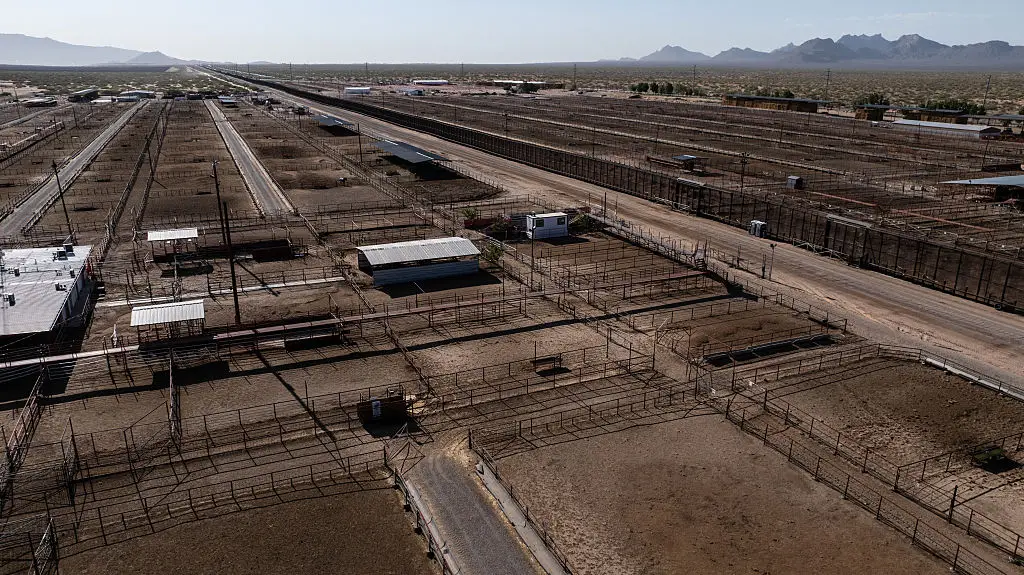
The wounds created and accentuated by the larvae can kill infected animals if untreated, and with cattle herds in the United States already at historically low levels, this could have an even greater impact on pre-existing high beef prices.
The USDA have estimated that an outbreak in Texas could cause $1.8 billion worth of damage to the state's economy, and it appears as if efforts to curb the spread aren't working as well as officials hoped.
Cattle imports from Mexico have been blocked for over a year at this point, and while efforts have been made to breed and produce sterile flies – one of the most powerful tools available for combatting these outbreaks – these haven't yet been put into operation so it's a race against the clock.