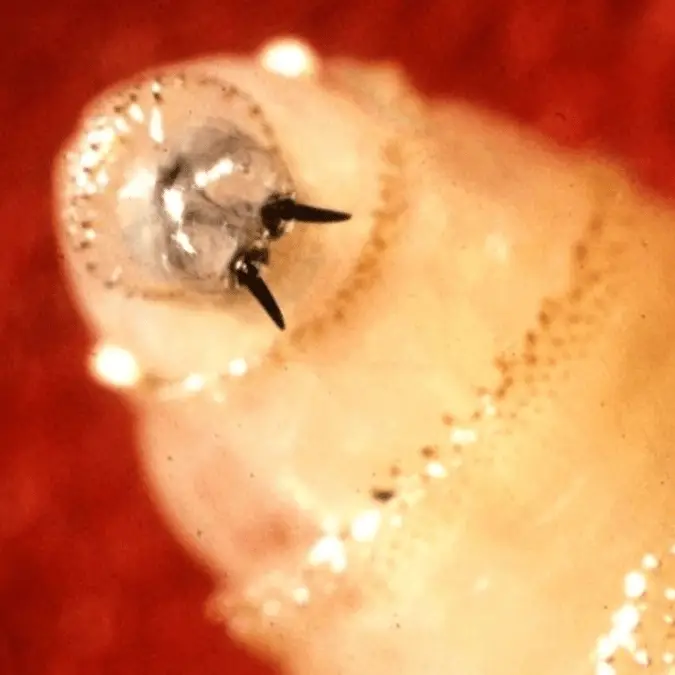
Horrifying flesh-eating parasite pouring into the US causes 'disaster declaration'


There are plenty of terrifying wiggly worms and flying foes out there that threaten humans and animals alike, but away from the urban legend that South America's Candiru fish will swim up your urethra, we have an actual horror story about a flesh-eating parasite.
Hollywood has adapted plenty of real-life health terrors, like the Cordyceps parasitic fungus inspiring The Last of Us, or last year's 'Frankstein rabbits' sounding like they'd be a perfect Halloween horror.
Now, a flesh-eating parasite has us itching all over, with reports of growing concern in Texas.
Texas Governor Greg Abbot has sounded the alarm over the Cochliomyia hominivorax, aka the New World screwworm fly.
Advert
The CDC states that while the parasite is normally found in South America and the Caribbean, it's been making moves up from Central America and Mexico.
Known for laying eggs in the infected wounds of animals and occasionally humans, these hatch into larvae in a matter of hours, with hundreds of them potentially feasting on the flesh.
New World screwworm flies are known to target livestock, which is why Texas has shut down all Mexican imports since May 2025. This has dramatically reduced the number of cows in the state and seen beef prices rise.
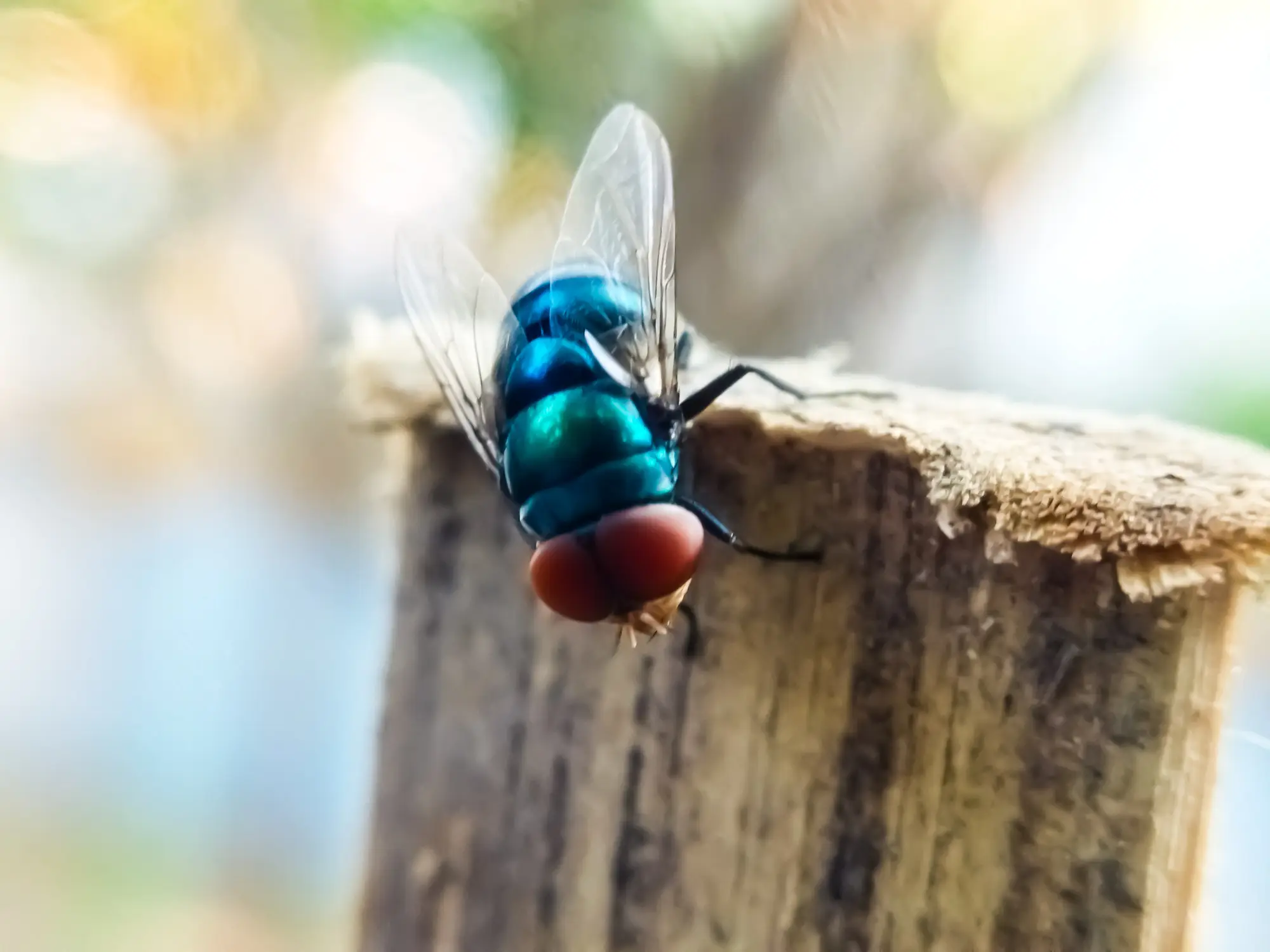
As reported by The Daily Mail, a previous infestation of screwworms in the 1950s cost the US $200 million in livestock, which is around $1.8 billion in today's money.
Florida's Department of Agriculture and Consumer Services reported its first case when it found screwworm larvae in the open wound of a horse imported from Argentina. Although the infected animal has since been quarantined, officials warned: "The New World Screwworm was eradicated from the US more than four decades ago. Its return would pose a serious threat to livestock, wildlife, and domestic animals, particularly in states like Florida with warm climates and abundant animal populations."
Texas Agriculture Commissioner Sid Miller has told Florida residents that there's no reason to panic, adding: "I want to set the record straight on the recent New World Screwworm detection in Florida. This detection did not constitute evidence of a US outbreak or domestic New World Screwworm infestation. It was thankfully caught during a routine inspection of an imported horse arriving from a country south of the Darién Gap."
Still, Texas ranchers are told to stay on high alert and regularly inspect all warm-blooded animals. This extends from livestock to household pets.
Miller continued: "This is a serious risk to our livestock industry and one that the Texas Department of Agriculture has been preparing for through our own heightened surveillance, coordination, and response planning. The New World screwworm is inching closer to Texas each and every day, and we must be proactive in responding to this threat."
In a particularly grim reminder, the Texas Parks and Wildlife Department (TPWD) warned that New World screwworm flies can be attracted to openings as small as genital areas, nasal and eye passages, a newborn’s navel, and tick bites.
According to KLTV, work is underway to try and stop these parasites in their tracks via a new dispersal facility. With Abbot issuing a declaration of disaster, it gives his task force more power and resources to tackle the parasite.
Millions of sterilized male New World screwworm flies will be imported from Mexico and Panama, housed at Texas’ dispersal facility, and then released across the U.S.-Mexico border. The idea is that the sterilized males will mate with wild females and cause them to lay unfertilized eggs that are unable to hatch.
As New World screwworms tend to only mate once in their seven-day lifespans, there are hopes that populations will decline and eventually be completely eradicated.
Putting some of our fears to rest, the Department of Health and Human Services has reiterated that the threat to the general public is 'very low'.