
Doctors warn deadly fungus could kill millions if we don't act soon


One deadly fungus could spread around the world across the next few decades if change isn't made, as doctors have issued a major warning regarding the effects of Aspergillus in conjunction with an unexpected trend.
While some forms of otherwise dangerous fungus can be used in a positive way, including one that inspired the zombie world of The Last of Us, it's generally considered something that you would want to avoid wherever possible.
It might not be quite as creepy as radiation-eating fungus found in Chernobyl, but doctors have issues a new major warning regarding the spread of a fungus known as Aspergillus, as it's dangers throughout the world appear almost inevitable if trends continue as they currently are.
As reported by The Independent, Aspergillus is a type of mould that can trigger the deadly lung disease Aspergillosis, causing extreme difficulty with breathing if the human body becomes infected.
Advert
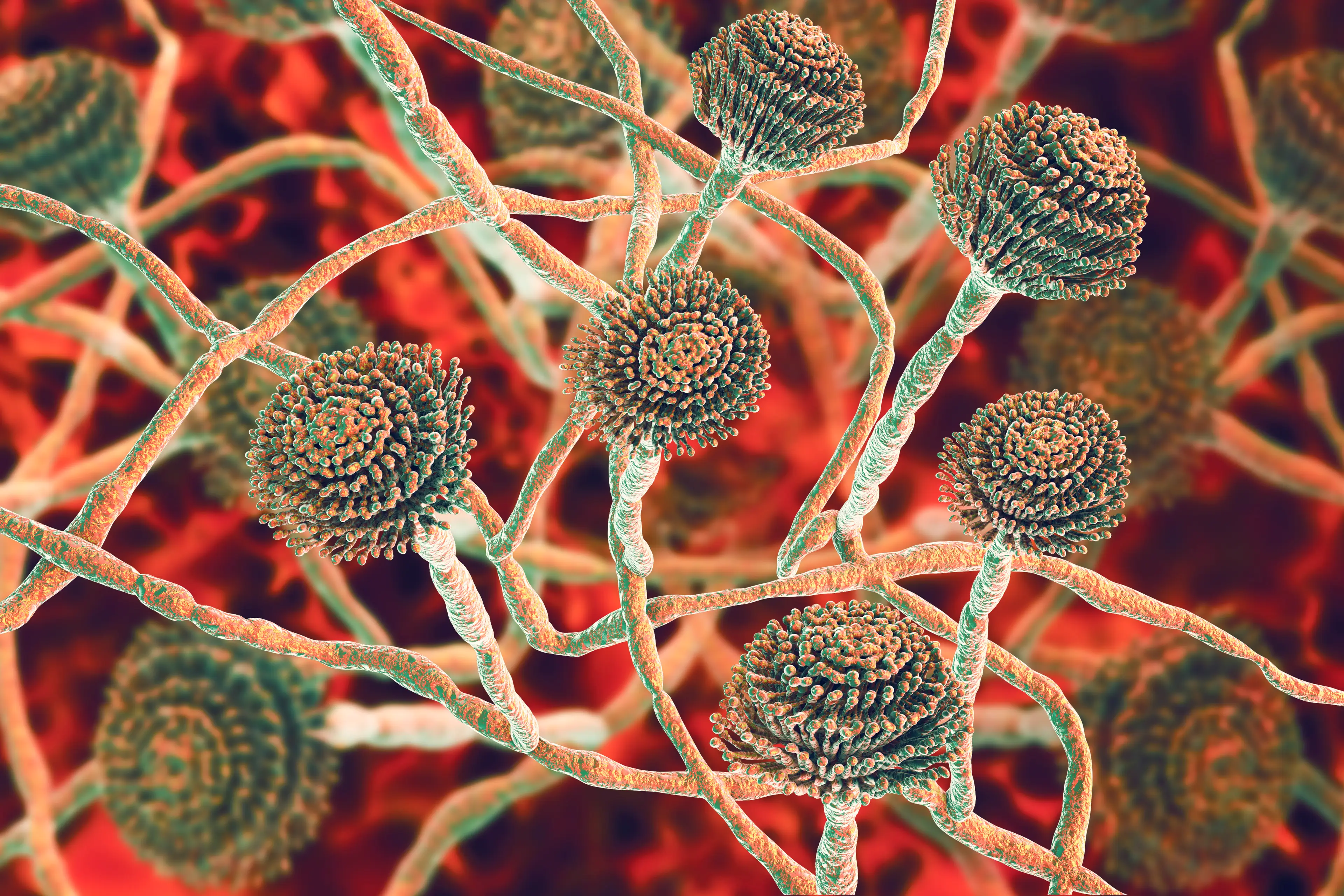
It can have positive benefits and is known to be utilized in the process of fermentation, but it has proven to be particularly dangerous for individuals who already have respiratory issues like asthma or a weakened immune system.
One recent study co-authored by Norman van Rhijn at Manchester University indicates that climate change could dramatically accelerate the spread of Aspergillus throughout the world - particularly to northern countries in Europe, Asia, and America - endangering the lives of millions.
The issue isn't just limited to Aspergillus as it would more broadly affect the spread of fungal pathogens, but the aforementioned fungal mould would prove to be one of the more dangerous for humans due to its propensity to thrive inside environments like homes.
This is just one of many of the unexpected consequences of global warming which also include a threat to eye health, and fears surrounding a 'tipping point' of potentially no return edging ever closer make the necessity of action even greater.
Some scientists are currently experimenting with methods that would block the sun out in order to further delay the tipping point, but climate experts have warned that this is simply a short term measure that won't have any impact if the root cause of fossil fuel usage isn't addressed.
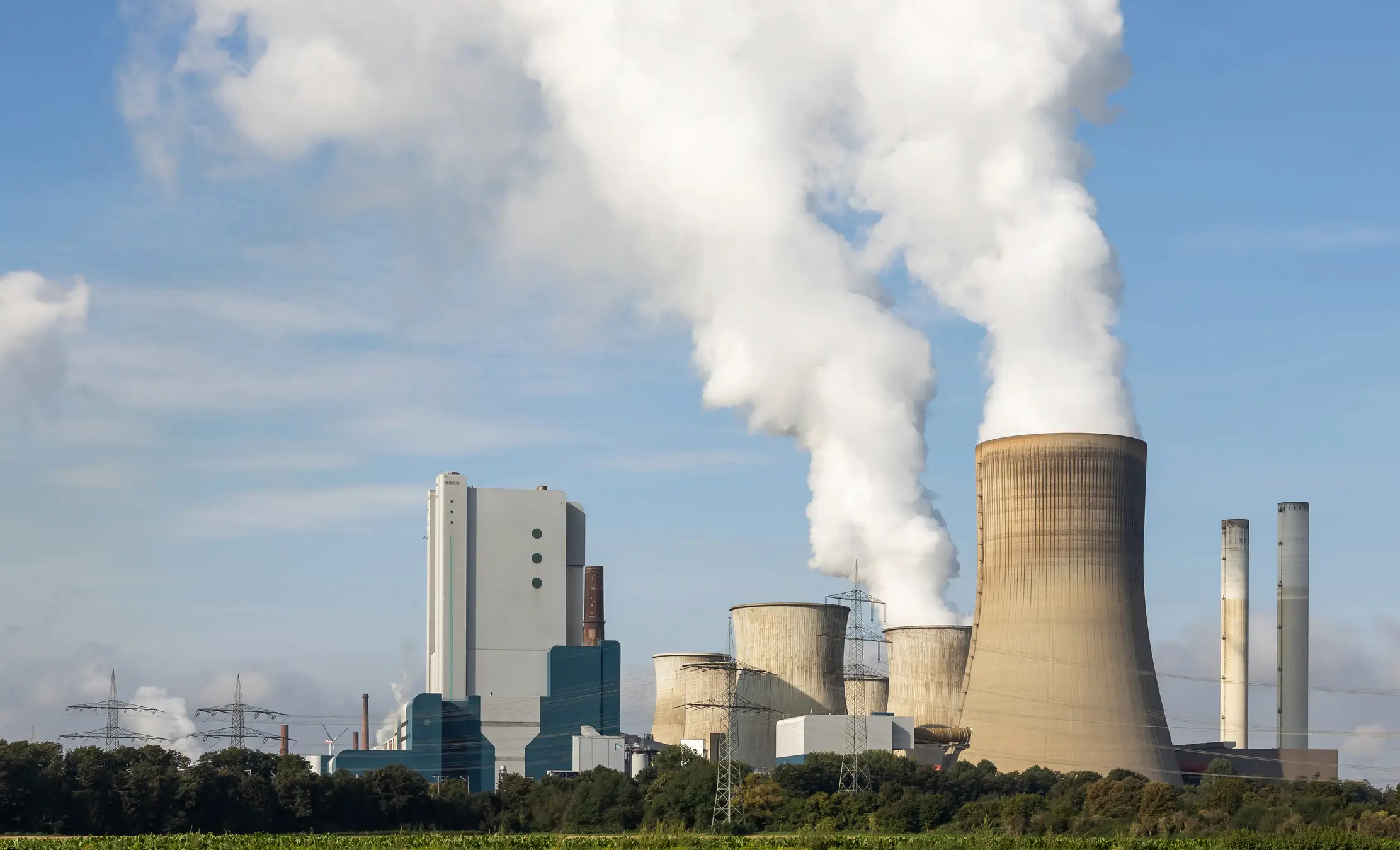
Trillions of dollars of climate change damage has been caused by the world's top companies, and many of the richest individuals are among the biggest contributors to global emissions - especially with the ever-increasing demand for costly AI production.
"We're talking about hundreds of thousands of lives, and continental shifts in species distributions," outlined Van Rhijn in reference to the effects of climate change on fungus like Aspergillus. "In 50 years, where things grow and what you get infected by is going to be completely different."
Additionally, experts indicate that by 2100, something like Aspergillus could have extended its spread by an additional 77% as a result of global warming, and that could potentially put the lives of around 9 million individuals across Europe alone at risk of deadly infection.