
Highly resilient species in Chernobyl is mutating to 'feed' on nuclear radiation


There is a highly resilient species in Chernobyl that is mutating to ‘feed’ on nuclear radiation.
You read that right - the black fungus can be found at the site of the nuclear disaster in northern Ukraine.
The radiation in the area would be deadly to most forms of life but this species has adapted to its surroundings.
Advert
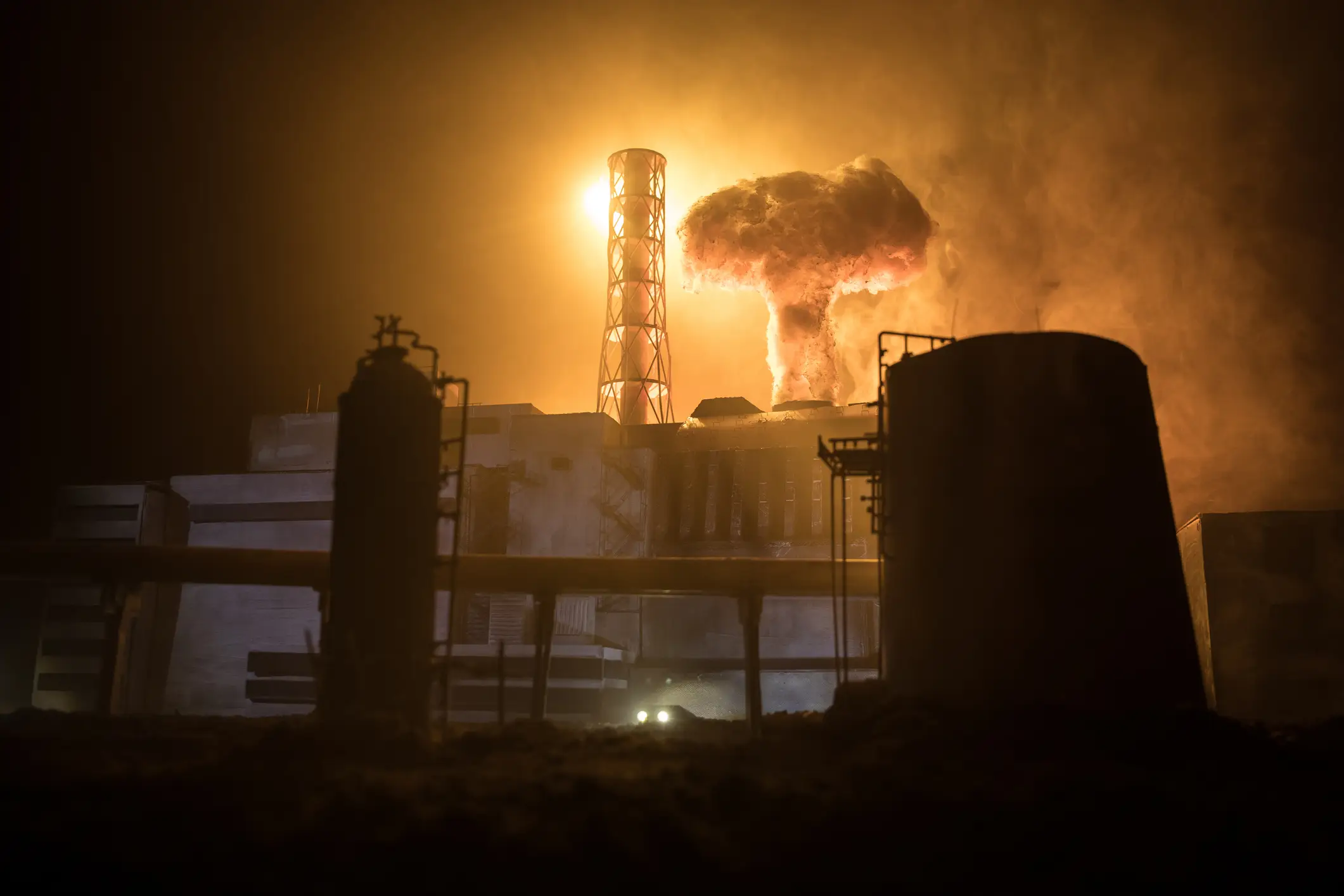
The power plant suffered a devastating nuclear explosion back in 1986 and the area was evacuated.
While some people are living in the outskirts, Chernobyl remains a ghost town inside the exclusion zone where it is still illegal to live in.
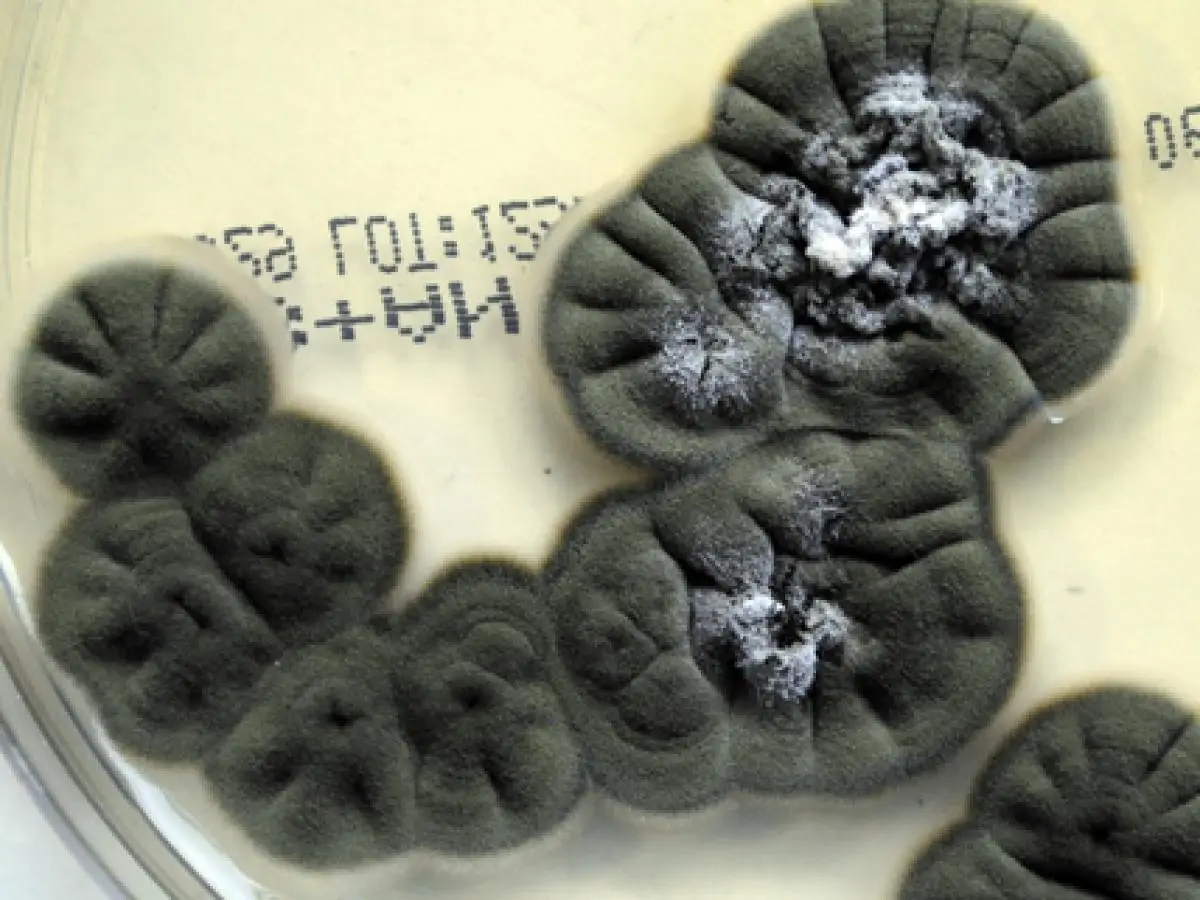
The fungus, which is scientifically known as cladosporium sphaerospermum, has been studied by experts who say it is growing on the walls of the nuclear reactor which originally triggered the explosion.
According to researchers, the fungus is able to perform radiosynthesis - basically eating the radiation.
Scott Travers, who is an evolutionary biologist at Rutgers University, wrote in an article for Forbes that the fungus is using the radiation for energy production.
He said: “Its ability to adapt to hostile environments has given researchers hope that it may hold clues for further studies into stress tolerance mechanisms, which could lead to advancements in biotechnology and agriculture.”
Examples of this, according to Travers, include the possible development of radiation-resistant materials or highly resilient crops.
The research could benefit astronauts in space as well as other radiation incidents on Earth.
The studies conducted so far suggest that the fungus could be used in the future to remove radiation pollution from the environment.
News of the mutating species spread across social media where many people shared their reactions.
On Reddit, one user wrote: “First the Orca's are fighting back. Now we have a fungus feeding off of radiation.”
Another said: “Scientists: intense radiation makes life on this moon unlikely. Mushrooms: hold my spore.”
A third person joked: “First it was zombie-ant fungus, now it is nuclear fungus… how long until mushrooms take over the world…”
A fourth commented: “Well I for one welcome our new fungal overlords.”
A fifth user said: “Radiotrophic fungi are fascinating, there is a theory that fungi used to have a much higher melanin content, but this was slowly lost as the radiation on earth began to decrease.”
And a sixth added: “Life will find a way. If there’s a favorable, abundant energy source life can make use of, slowly, eventually, it will overcome the obstacles preventing it from doing so.”