Featured Image Credit: Frederick York/Biodiversity Heritage Library via Wikimedia Commons
Science has been making remarkable strides when it comes to revisiting species lost to history.
A biotech expert has made astonishing claims that a living woolly mammoth will walk the Earth again within years, while researchers have already managed to revive the dire wolf after it had been missing for 10,000 years.
Meanwhile, others are finding extraordinary mammal fossils just washing up on UK shores.
But when it comes to the first extinct creature ever to have its DNA scientifically examined, the story takes us to the plains of South Africa.
Advert
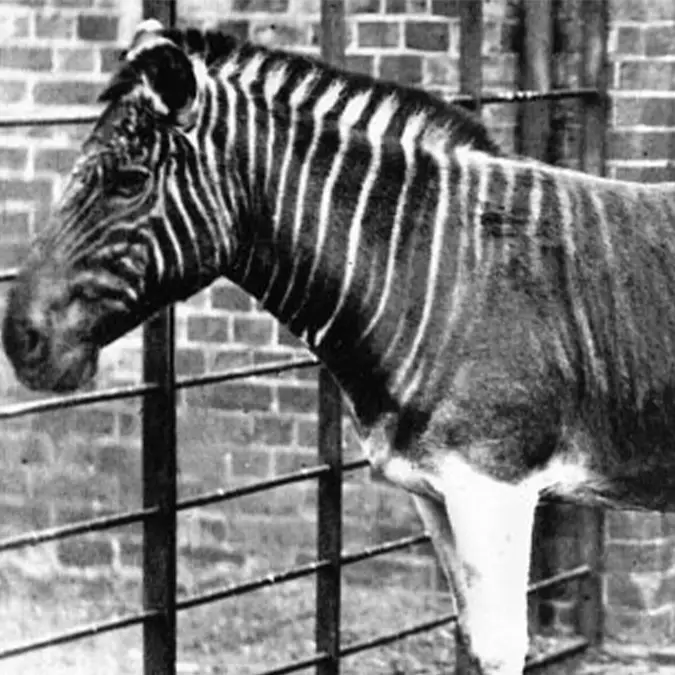
The quagga (Equus quagga quagga) was a striking and unusual relative of the zebra. From the shoulders to the rear, the herbivore resembled a horse, but its head and neck were covered in bold brown stripes that faded as they reached the body.
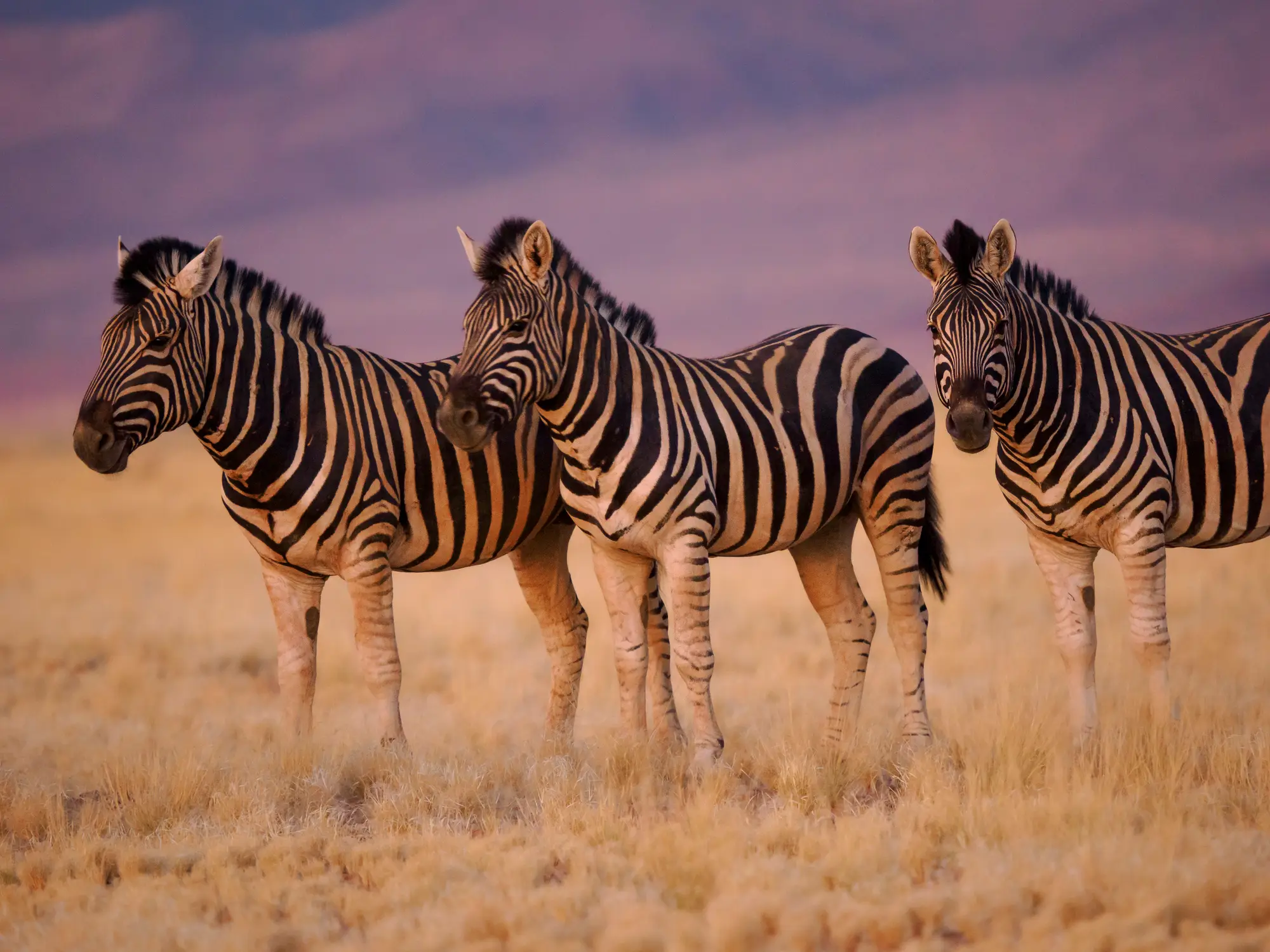
Once abundant across South Africa, the quagga shared its habitat with several other zebra species, some of which survive to this day including the plains zebra (Equus quagga).
However, during the 19th century, the quagga was hunted relentlessly for its meat and hide, as well as by farmers protecting their grazing land.
By the close of the century, the quagga was gone.
The last known wild individual is believed to have died in the late 1870s, and the final captive specimen died in 1883, at Artis Zoo in Amsterdam.
Then, in 1984, researchers at the University of California and San Diego Zoo carried out DNA analysis from a piece of dried quagga muscle tissue that was being held at a museum. They discovered that the species was, in fact, a subspecies of the plains zebra rather than a distinct type.
It was also the first time genetic material had ever been recovered from an extinct animal.
Further DNA analysis on eight quaggas revealed that the subspecies had remarkably little genetic diversity. In fact, the research claims that the quagga only diverged from the plains zebra around 140,000 years ago.
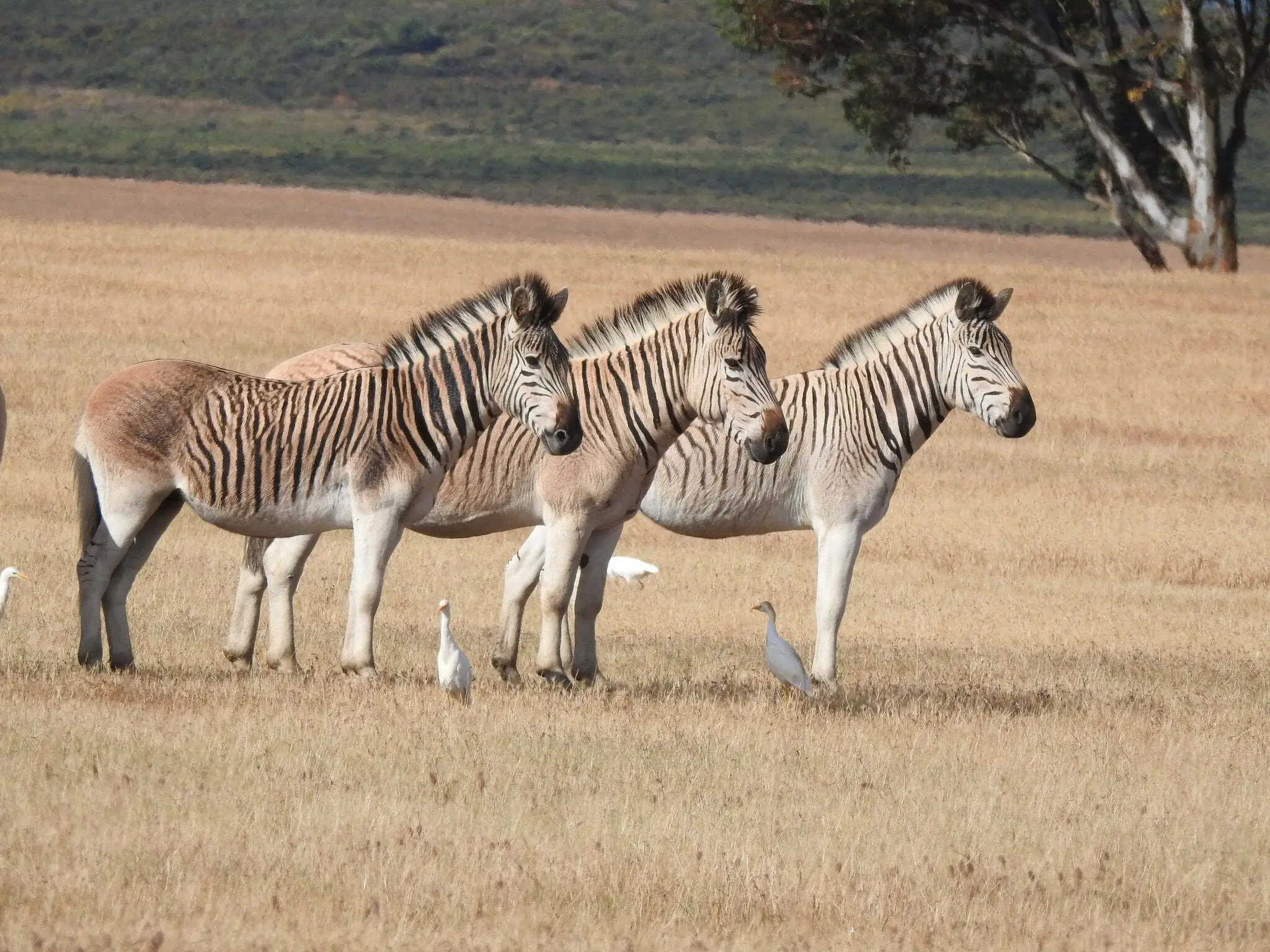
Yet the story doesn't end there. In the late 1980s, a taxidermist named Reinhold Rau launched the Quagga Project to attempt to reintroduce the quagga back into living plains zebra populations.
“The project is aimed at rectifying a tragic mistake made over a hundred years ago through greed and short sightedness,” the official Quagga Project website explains. “It is hoped that if this revival is successful, in due course herds showing the phenotype of the original quagga will again roam the plains of the Karoo.”