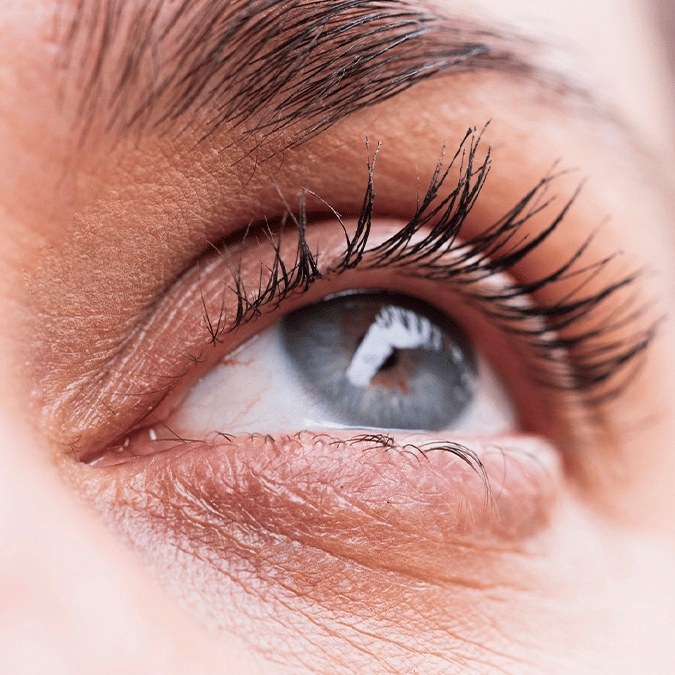
All blue-eyed people can trace their ancestry back to a single individual


Blue eyes might be common these days yet that wasn't always the case, and scientists have been able to track the lineage of every person with that eye colour back to a single individual thousands of years into the past.
Eye color, like your hair or your skin, is something that's generally passed down genetically from your parents — although it's a little more complicated than it might initially seem, leading to some deviation.
While blue eyes can be 'created' for any child – even if both parents have green or brown themselves – it's estimated that only between eight and ten per cent of the world's population has a form of blue in the eyes right now.
Brown isn't just the dominant color in the present but there was a point in the past where it was the only option for humans, yet everything changed with one specific individual.
Advert
As reported by the Independent, it relates to a specific gene mutation known as HERC2, as this disabled the OCA2 gene that determines the amount of brown pigment that is produced within the eye.
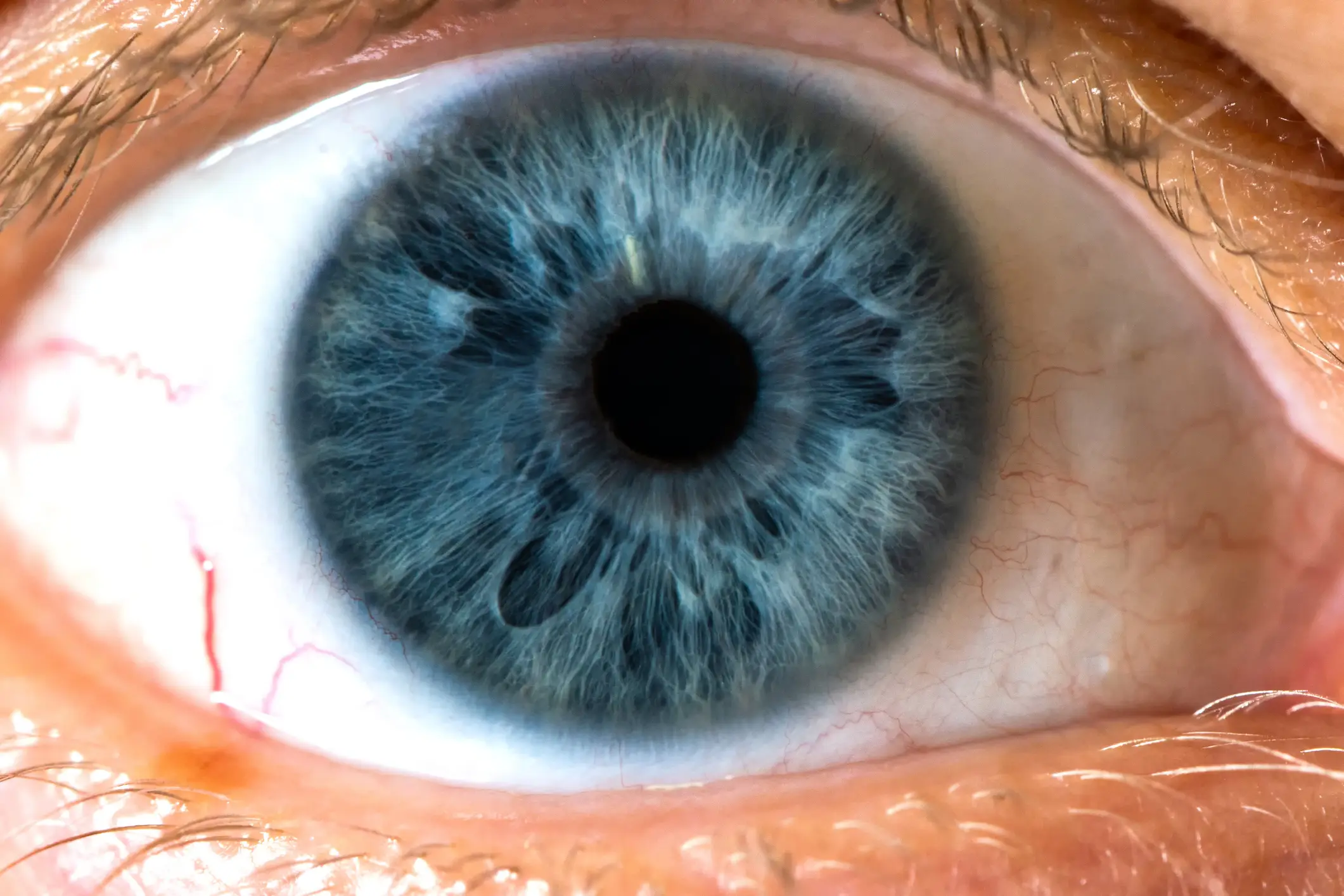
This then allowed eyes to become different colors and is the same mutation that's present in every non-brown-eyed individual living today.
It's also why there are some paternal combinations that provide a zero (or close to zero) chance for brown eyes to spawn, as the child is guaranteed to have the HERC2 mutation preventing the development of brown pigment.
For blue eyes to exist then, the scientific explanation indicates that there must have been a single individual that was the first to produce the mutation, and researchers predict that this happened anywhere between 6,000 and 10,000 years into human history.
It's impossible to know exactly who this individual was or when they were alive due to the complex nature of genetics that often isn't preserved over time, yet researchers can make a rough estimate using historical data and probability based on the number of people with blue eyes alive today.

This research, led by Professor Hans Eiberg from the University of Copenhagen's Department of Cellular and Molecular Medicine, specifically examined mitochondrial DNA within diverse countries like Jordan, Denmark, and Turkey to reach this result.
What complicates this a little further, however, is the chance that individuals born with blue eyes can develop the brown-producing pigment later on in life, leading their eye color to change despite posessing the HERC2 mutation at birth.
"It simply shows that nature is constantly shuffling the human genome," Professor Eiberg explained, "creating a genetic cocktail of human chromosomes and trying out different changes as it does so."