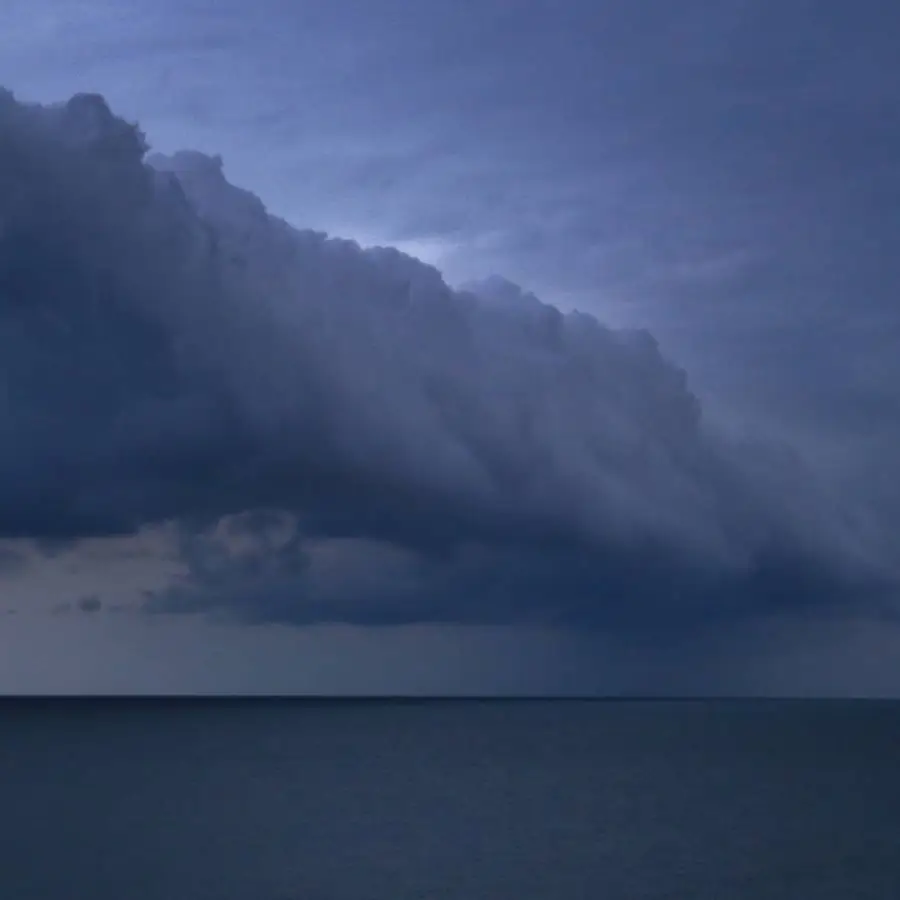
Worrying 'ominous blob' spotted by meteorologists poses a major risk to several US states


Meteorologists have issued a warning over a worrying 'ominous blob' that's appeared in readings approaching the southwest of the United States, although they have urged that the chances of it manifesting as a tropical storm are relatively low.
It's not unusual for extreme weather to hit parts of the United States at this time of year, and dangerous events are becoming concerningly more common thanks to alarming climate change trends.
Experts and weather scientists have now been able to spot a new massive 'blob' of storms edging closer towards the coast of Florida, however, and they expect it to continue its path towards southwestern states like Louisiana, Mississippi, and Alabama later this week.
As reported by the Daily Mail, meteorologists from AccuWeather have stated in response to the ominous blob, outlining that "localized urban flooding is possible, perhaps in New Orleans, and a few waterspouts could form and move onshore along area beaches."
Advert
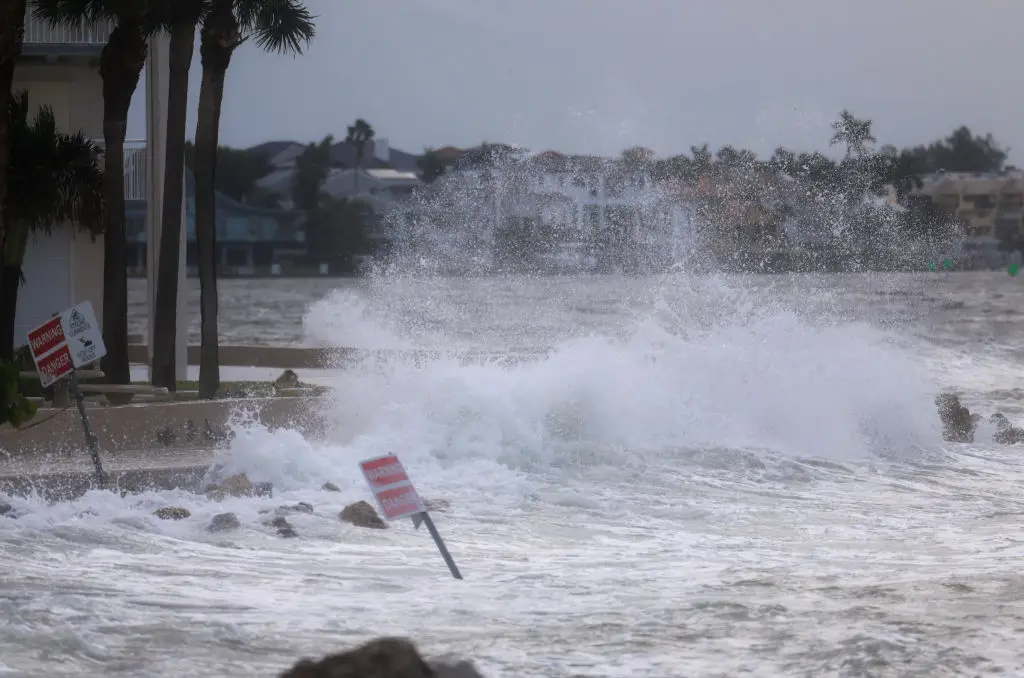
This has caused experts to dub this particular weather movement the 'Gulf blob', but while it might look concerning to untrained eyes, many within the meteorological world have assured that there's not too much to worry about.
Taking to X, WSVN meteorologist Dylan Federico has outlined that "the National Hurricane Center doesn't expect tropical development due to strong wind shear," adding that the storm's name is currently expected to be 'Arthur'.
Unfortunately, it will only serve as an appetizer for the main course that's expected to hit in the summer months, with a 'super' El Niño predicted to strike with devastation in the near future.
This will bring with it bouts of extreme heat and heavy downpours, alongside natural disasters that could cause catastrophe across the globe, even with significant prior warning.
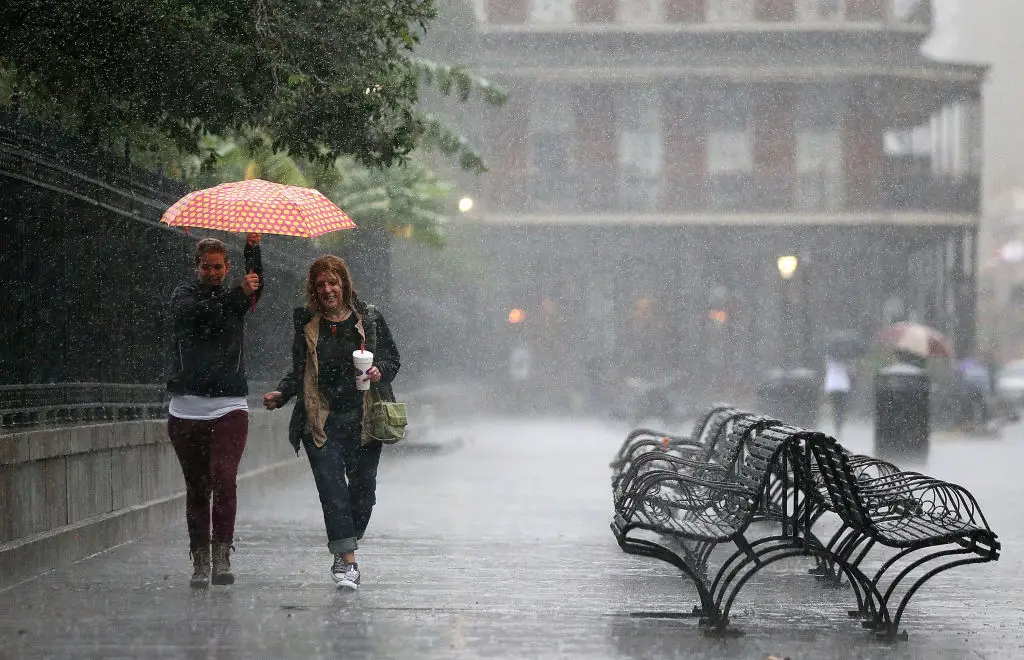
For the time being, you'll likely have to brave several inches of heavy rainfall if you live in one of the affected states, alongside the chance of flooding and even several rounds of thunderstorms to cap off an unpleasant storm.
As a consequence, parks and parking lots along the southwestern coast could end up being flooded, with winds exceeding 40 miles per hour (64 kilometers per hour) thrusting water onto land from the coasts.
This might force you to change your plans and also make carrying out your daily tasks a little more difficult — so while the chances of this storm being as bad as it initially seemed are low, you might still want to prepare yourself just in case.