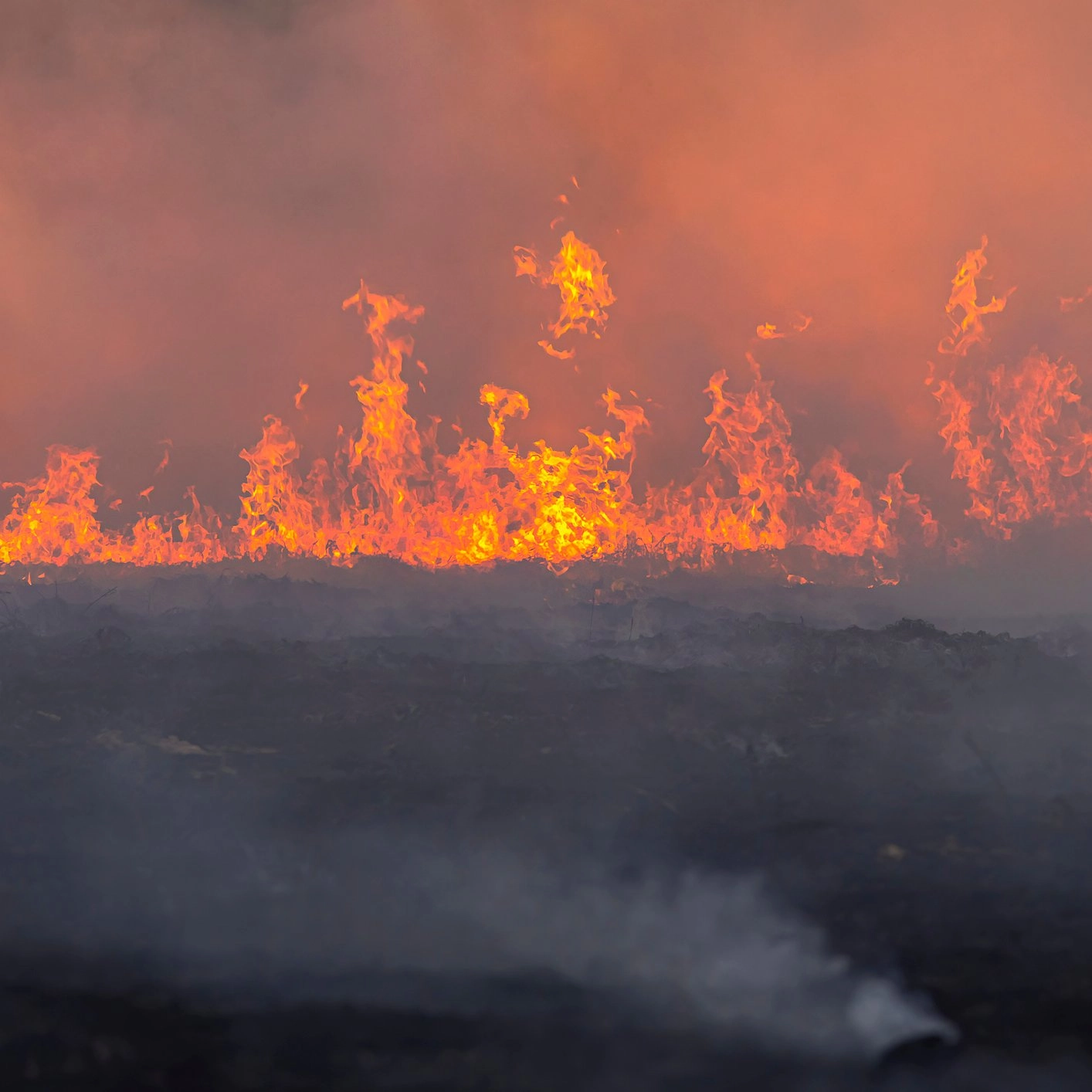
Scientists sound the alarm on impending summer 'Super El Niño' that now has 80% chance of arrival


Scientists have issued a new warning ahead of the expected 'super' El Niño this summer, outlining that there's now an 90 per cent chance that the extreme weather conditions will rage across the world.
Record-breaking temperatures and an increase in natural disasters have become frighteningly more frequent in the last few years as a consequence of climate change, but the worst could still be yet to come if predictions surrounding the impending El Niño are anything to be believed.
While some areas of the world will be subject to scorching high temperatures, other countries will have to deal with dangerously heavy rainfall — and there's only so much political bodies and organizations can do to prepare for the summer event.
As reported by the Daily Mail, new data analyzed by scientists has only increased the likelihood of the super El Niño striking in the coming months, with predictions indicating that it could last until November in many areas.
Advert
"The science is clear," outlined UN Secretary-General António Guterres. "El Niño is arriving on our doorstep in the coming months with 90% certainty. The world must treat it as the urgent climate warning it is.

"El Niño conditions will pour fuel on the fire of a warming world," Guterres contined. "Impacts will hit even harder, travel even farther, and cross borders with devastating speed. The only effective response is climate action equal to the crisis — ending the addition to fossil fuels, accelerating the shift to renewables, protecting the most vulnerable, and delivering early warning systems for all."
It's something that many global organizations and scientific groups have been preaching for decades, yet climate consumption only appears to be increasing — especially with the rise of AI and the abandonment of net zero targets by some of the world's leading powers.
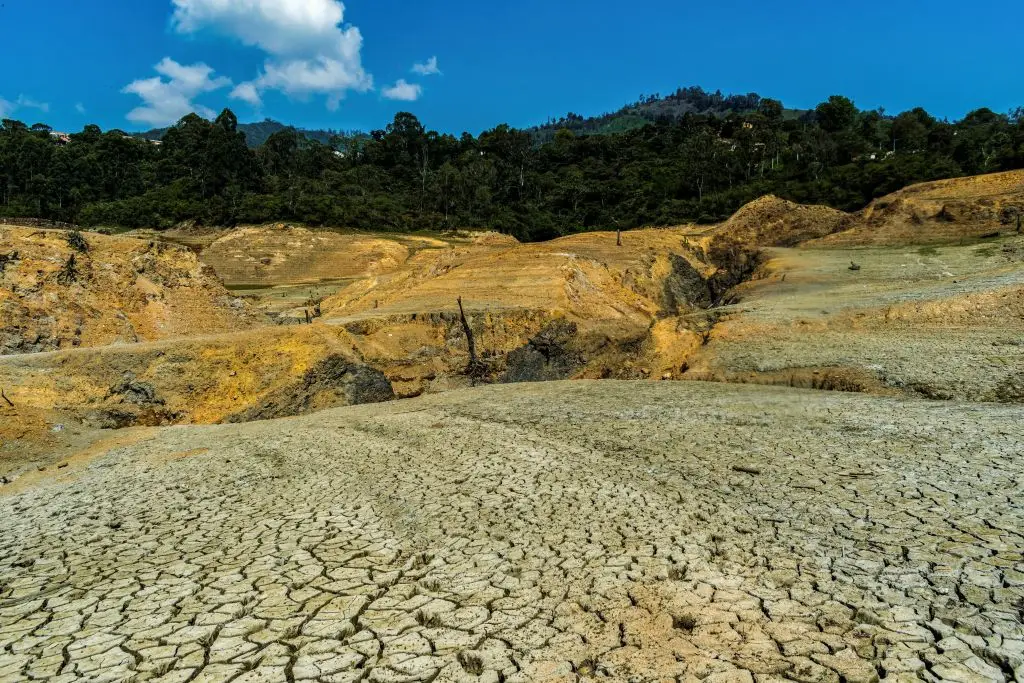
It's not just the long-term future of the climate that's at risk either, as experts have warned about the more immediate impact on food production across the world, with many vital areas at risk of catastrophe through droughts and extreme flooding.
It's expected that 2026 will break records for both the single hottest day and the hottest year on average, with dry conditions striking Central America, northern parts of South America, the Caribbean, Australia, Indonesia, and parts of southern Asia.
One such area that will also face potentially irreversible damage is the Amazon rainforest, with the vital ecosystem expected to become wounded which will subsequently harm the globe's ability to fight off growing climate concerns in the future.