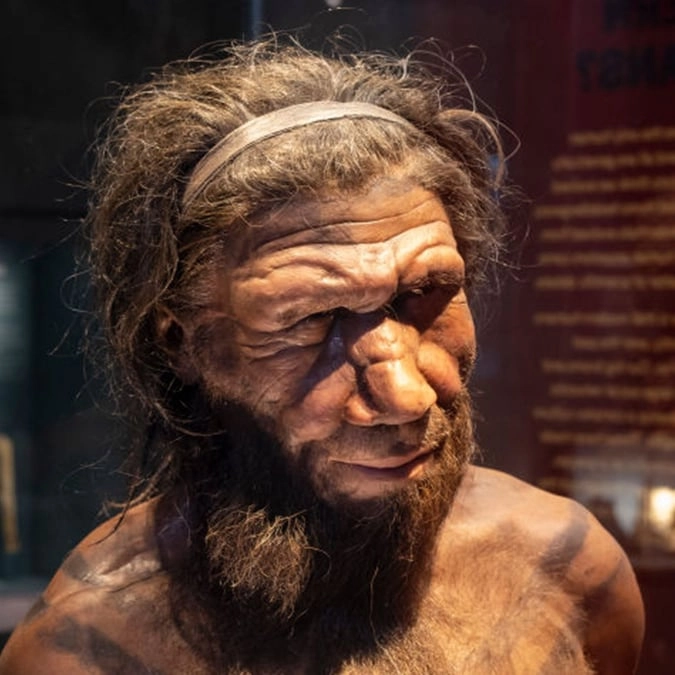
Scientists reveal shocking reason Neanderthals never truly went extinct in new study


A team of scientists have revealed the shocking reason why Neanderthals never truly went extinct.
This comes after a new study has suggested that the archaic species of humans didn’t actually go extinct, as many have believed.
Claims made by scientists in Switzerland and Italy argue that homosapiens, which is our species of human, actually mated with Neanderthals until there was a gradual ‘genetic assimilation’.
In the study, experts explained: “Our results highlight genetic admixture as a possible key mechanism driving their disappearance.
Advert
“Neanderthal disappearance rather than a true extinction might be conceived as the result of genetic dilution.”
It is already common knowledge that homosapiens had sex with Neanderthals because its DNA has been found in modern day humans.
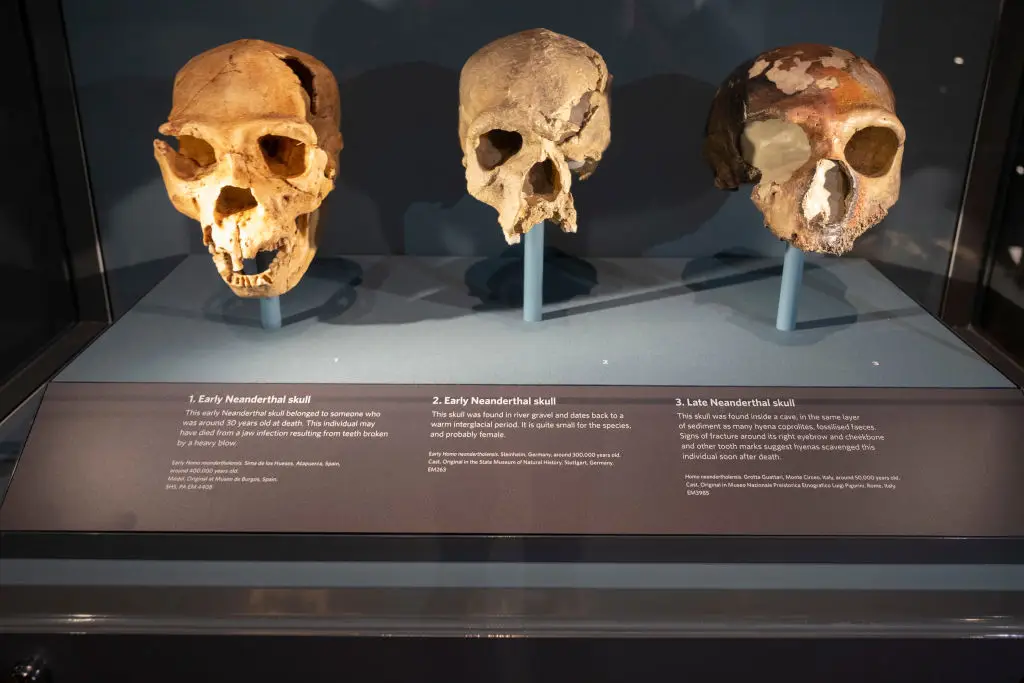
While homosapiens originated from Africa, when they migrated to Eurasia around 60,000 to 70,000 years ago, they encountered Neanderthals.
Because of genetic similarities between the two human species, they were able to produce healthy offspring but after 7,000 years of co-habiting, Neanderdals died out.
And according to the study, there could be an explanation for this.
The team of researchers, which are led by Andrea Amadei at the University of Rome Tor Vergata, said: “Evidence indicates that Neanderthal extinction was a gradual phenomenon, with the loss of local populations at different times.”
They continued: “Sustained gene flow from a demographically larger species could account for Neanderthals’ genetic absorption into modern humans.”
So, why did the Neanderthals disappear? Scientists believe it may have been down to mating with homosapiens.
The experts explained: “Our results highlight genetic admixture as a possible key mechanism driving their disappearance.
“Genetic admixture can provide another robust explanation for the observed Neanderthal demise, but does not exclude that other factors may have played a substantial role in the disappearance of Neanderthals.
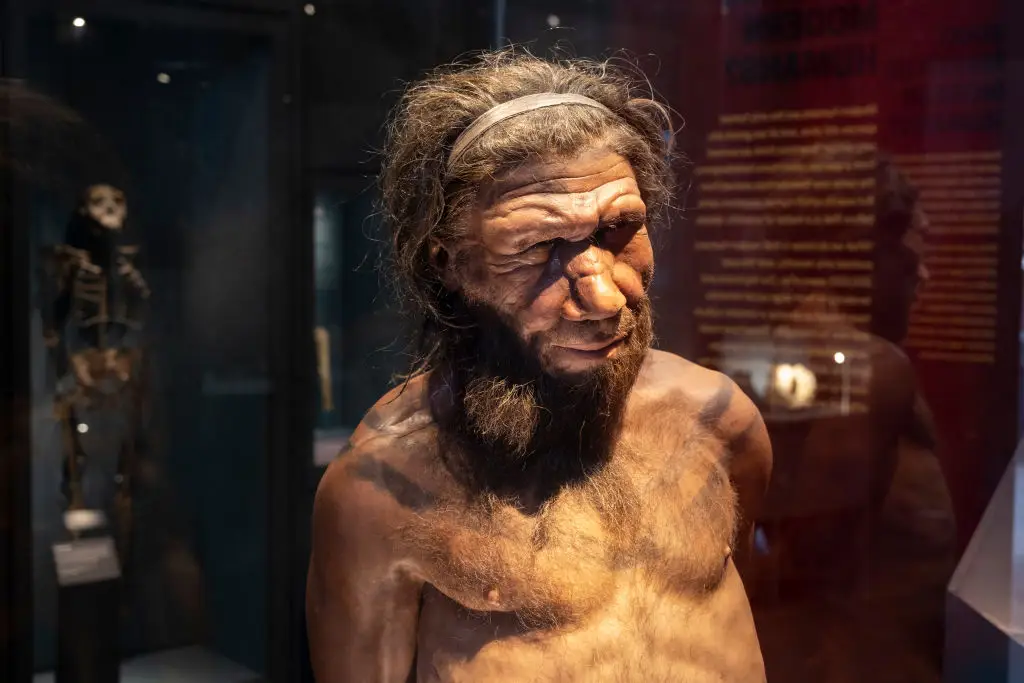
“Future studies incorporating both genetic and archaeological data will be crucial in refining our understanding of this pivotal moment in human evolution.”
But it doesn’t seem like homosapiens and Neanderthals were always peaceful when they shared the earth together.
This is because evidence shows that violent conflicts between the human species was highly likely to have taken place.
In fact, it’s even thought that prolonged territorial wars may have taken place that went on for over 100,000 years.
There could be a number of factors for the species fighting it out against one another, with some experts suggesting that this could be down to the territorial nature of both species as top predators or that they competed over land and resources.