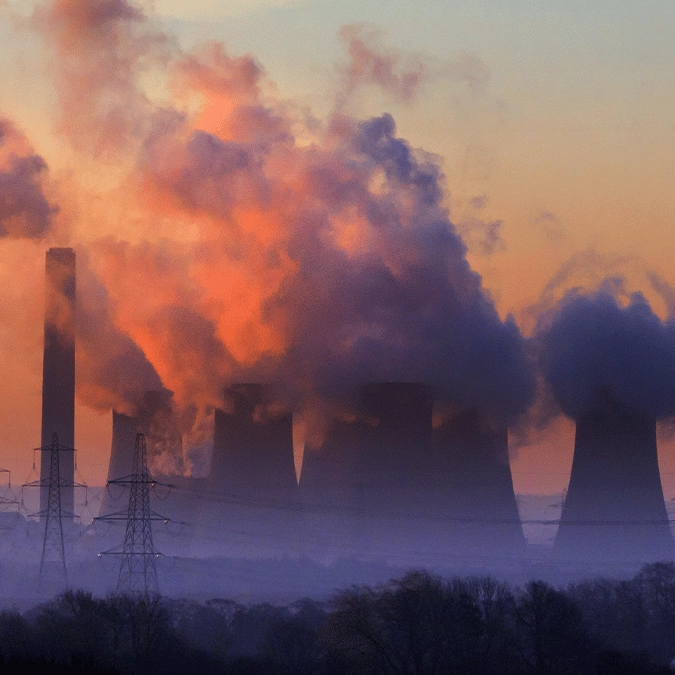
Shocking report reveals $28,000,000,000,000 in climate damage from the world's top companies


A report reveals the biggest companies in the world are behind trillions in climate damage.
Scientists at Dartmouth College in New Hampshire calculated the estimated pollution caused by 111 companies. These companies were found to be responsible for a massive $28 trillion (£21 trillion) in climate damage since the early 1990s. Most notably, the oil company Saudi Aramco made the top of the list, which alone is linked to $2.05 trillion in global economic losses from extreme heat.
Other key culprits include Russian energy company Gazprom (about $2 trillion in damages) and American oil and gas giant Chevron ($1.98 trillion in losses). Additionally, the top 10 list includes: ExxonMobil, BP (British Petroleum), Shell, National Iranian Oil Co., Pemex, Coal India and the British Coal Corporation. Experts say that without these offenders, the 'climate catastrophe' likely would not be happening.
Advert
"We argue that the scientific case for climate liability is closed," said Justin Mankin, study co-author and a climate researcher at Dartmouth College.
Energy companies such as Saudi Aramco, ExxonMobil and BP extract fossil fuels like oil and gas from the Earth.
When these fuels are burned for energy, they release huge amounts of carbon dioxide and methane that trap heat and warm the planet. For instance, pollution from Chevron has raised Earth's temperature by 0.045°F (0.025°C).
The effects of global warming are leading to drastic worldwide effects. Wildfires, crop damage and extreme weather events like floods and storms are just some of the consequences, costing nations thousands.
Thanks to advanced 'climate attribution science' and more data in real-time, scientists can link emissions from these companies directly to specific economic damage and identify where there should be accountability.
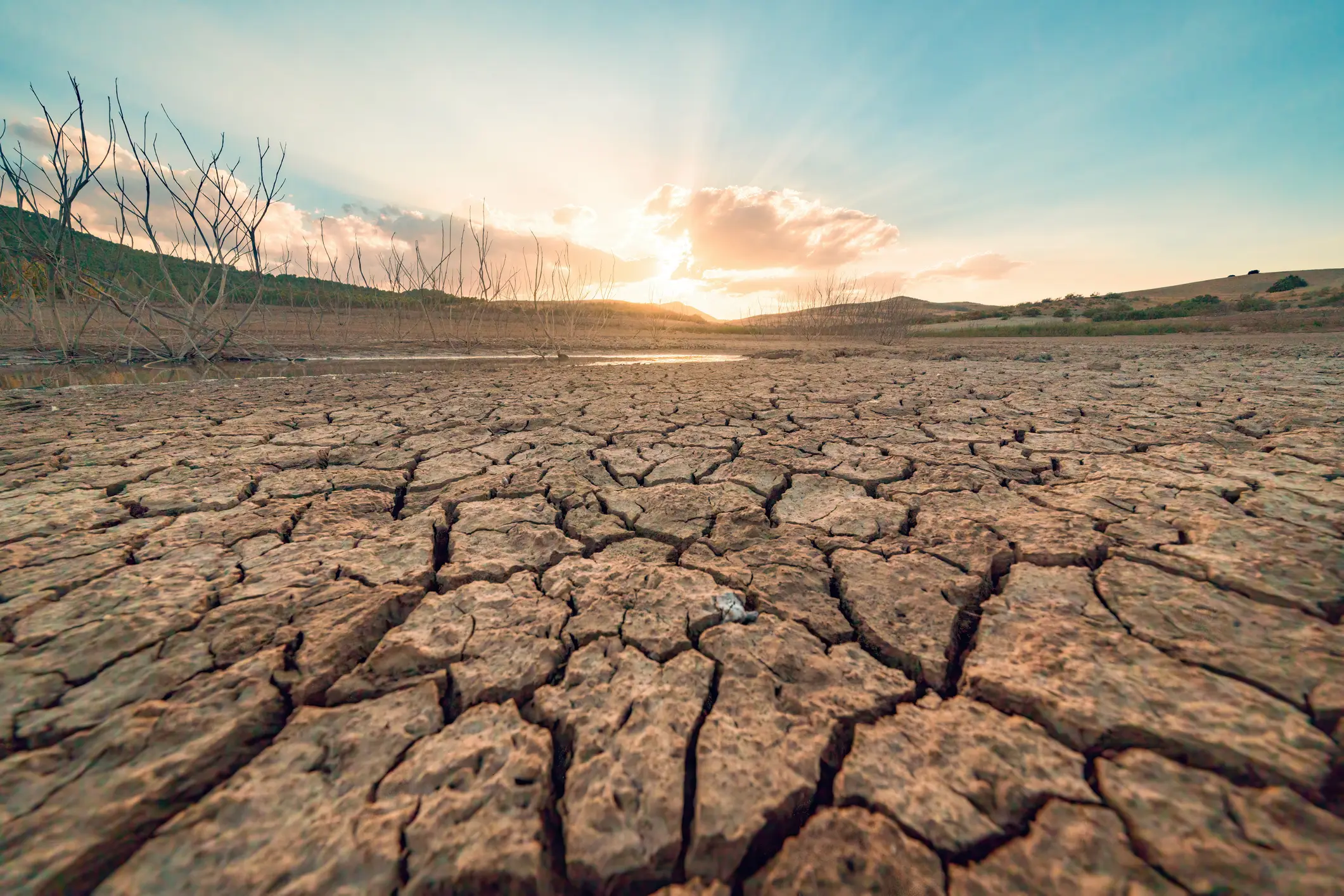
According to the study, extreme heat tied to emissions from just these 111 companies cost the global economy $28 trillion between 1991 and 2020. A third of the losses ($9 trillion/£6.7 trillion) were attributable to the five top-emitting firms: Saudi Aramco, Gazprom, Chevron, ExxonMobil and BP.
Interestingly, more than half of the 111 companies are based in the US, but places like South America, Africa, and Southeast Asia are feeling the worst effects of 'extreme heat.' The researchers also figured out that every 1% of greenhouse gases released into the atmosphere since 1990 has cost the world $502 billion in heat-related damages - so that's not including the extra damage from floods, hurricanes and droughts.
“Everybody’s asking the same question: What can we actually claim about who has caused this?” added Mankin. “And that really comes down to a thermodynamic question of can we trace climate hazards and/or their damages back to particular emitters?”
The team compared today's fossil fuel industry to the big pharmaceutical and tobacco companies that faced lawsuits over public health damage in the 20th century. They explained that polluters would pay, and it wouldn’t be long before these major fossil fuel companies are sued for damaging the climate.
Already, research firm Zero Carbon Analytics counts 68 climate-related lawsuits filed globally, with more than half of them in the US. While no climate liability lawsuit against a major carbon emitter has been successful, perhaps presenting 'how overwhelmingly strong the scientific evidence' would change this, noted Friederike Otto, Imperial College London climate scientist.