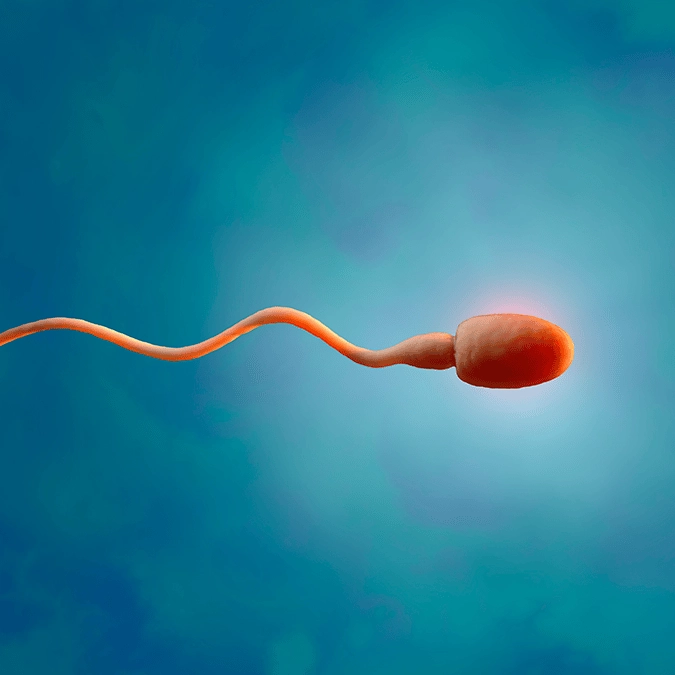
Experts warn of ‘major crisis in male reproductive health’ as testosterone levels halve in 50 years


Researchers have issued a significant warning that the world is facing a 'male fertility crisis', outlining statistics that indicate how testosterone levels have declined by half across the last half century, with obesity and diabetes high on the list of causes.
The research itself was presented at the European Society of Human Reproduction and Embryology, as per The Guardian, with data recorded between 1972 and 2019 backing up the concerning claims.
While obesity and diabetes are presented as a primary factor in the worrying decline, scientists have also pointed towards several environment factors – including endocrine-disrupting chemicals found in many household items and global heating through climate change – as explanations for the crisis.
They're far from the only seemingly innocuous factors that can have a significant impact on your reproductive health, as something as simple as using a laptop can cause serious issues over time, yet this is a collective issue that researchers are keen to tackle going forward.
Researchers highlight concern over decreased testosterone levels
"We saw an over 50% decline in total testosterone over this time period," Professor Hagai Levine explained in reference to the research findings. "It reflects a more than 1% decline each year, so this is not a fluke, this is not a statistical error. It's a very strong trend."
Advert
He highlights that there needs to be a greater level of attention paid to the 'crisis' identified by the research, and the same team behind the findings also discovered that sperm counts have declined significantly over a similar time period.
This sentiment has been echoed by Professor Channa Jayasena at Imperial College London, a specialist in reproductive endocrinology, who argued that the findings should serve as "an important reality check."
He added that "the fact that these studies have been done over several periods in history actually makes me convinced," noting that he does "think male reproductive health is declining and appears to have been declining over time."
Why is obesity linked to lower testosterone?
The reason why obesity has been linked as a primary cause of dropping testosterone levels is due to the impact of excess body fat, as this leads to an increase in the conversion of testosterone to oestrogen, lowering the overall levels within the body.

While weight loss injections like Ozempic have displayed a noticeable impact in reducing the number of obese individuals across the United States, there has still been a verifiable increase in cases of obesity over the last 50 years that has no doubt played a part in the results observed in this study.
Researchers also conclude that there's a direct link between your reproductive health and overall health, with the former very much indicating a sign of the latter's condition.
Professor Levine illustrated that "we live in an environment that is not ideal for our health in terms of exposure to chemicals, in terms of climate, and in terms of health behaviors," and it appears as this manifests itself clearly within the reproductive health and testosterone levels of males across the globe.