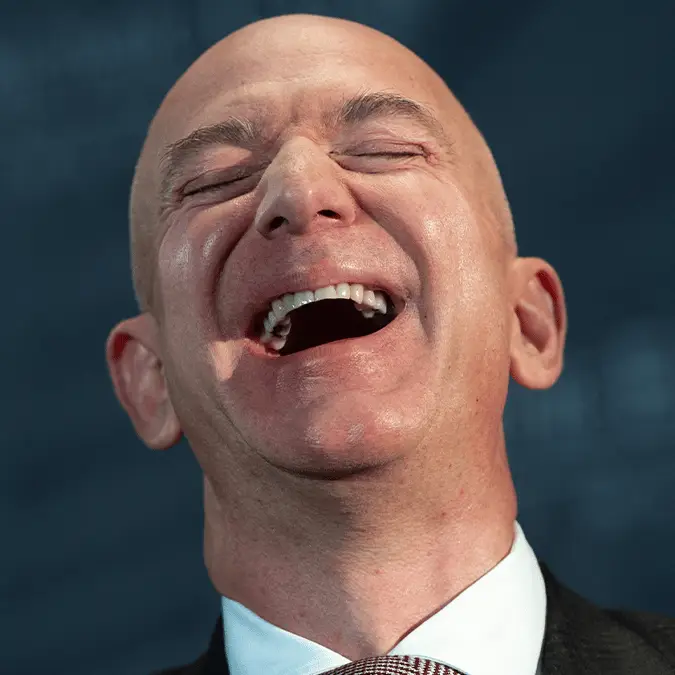
Jeff Bezos’ Blue Origin beats Elon Musk’s SpaceX to land NASA's first 2026 Moon Base


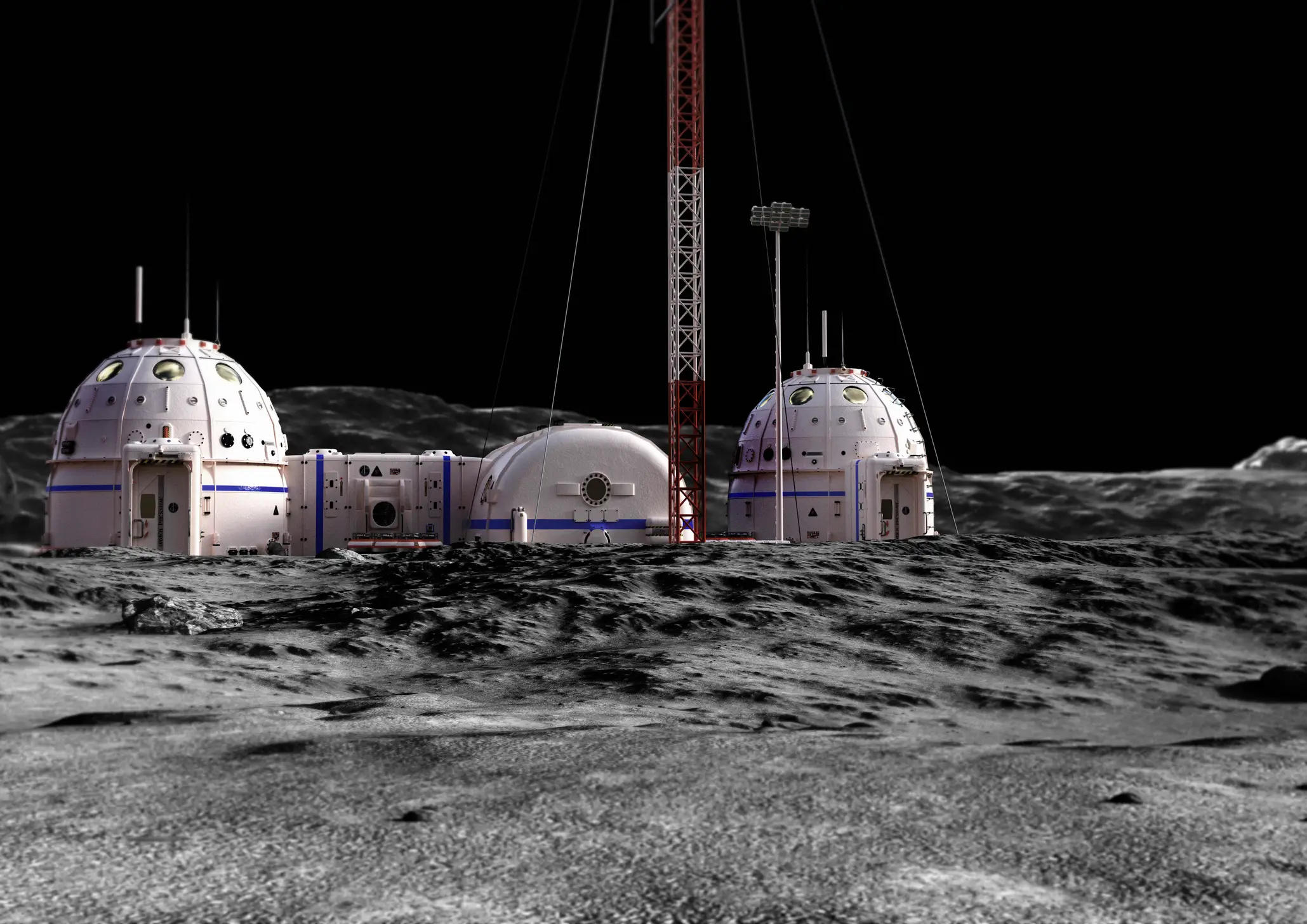
Elon Musk might be left behind when it comes to commercial presence on the Moon, as Jeff Bezos' Blue Origin has been granted the biggest deal in NASA's plans to create a base on Earth's nearest natural satellite.
It has still been over half a century since anyone actually stepped foot on the Moon, and while the recent Artemis 2 mission achieved a lot and even broke several records, there's still yet to be any form of presence returned to the giant rock.
Current plans indicate that the feat won't happen until NASA's Artemis 4 mission is completed, but it is expected that things will quickly ramp up after that has been achieved, with a permanent presence likely to be established in space.
Key to this prospective 'colonization' is the collaboration with private space agencies, as NASA has already partnered up with Elon Musk and SpaceX when it comes to astronaut transportation.
Advert
Musk has been unexpectedly left out of recent contract discussions when it comes to the Moon, however, with Jeff Bezos and his space agency Blue Origin emerging as the biggest winners.
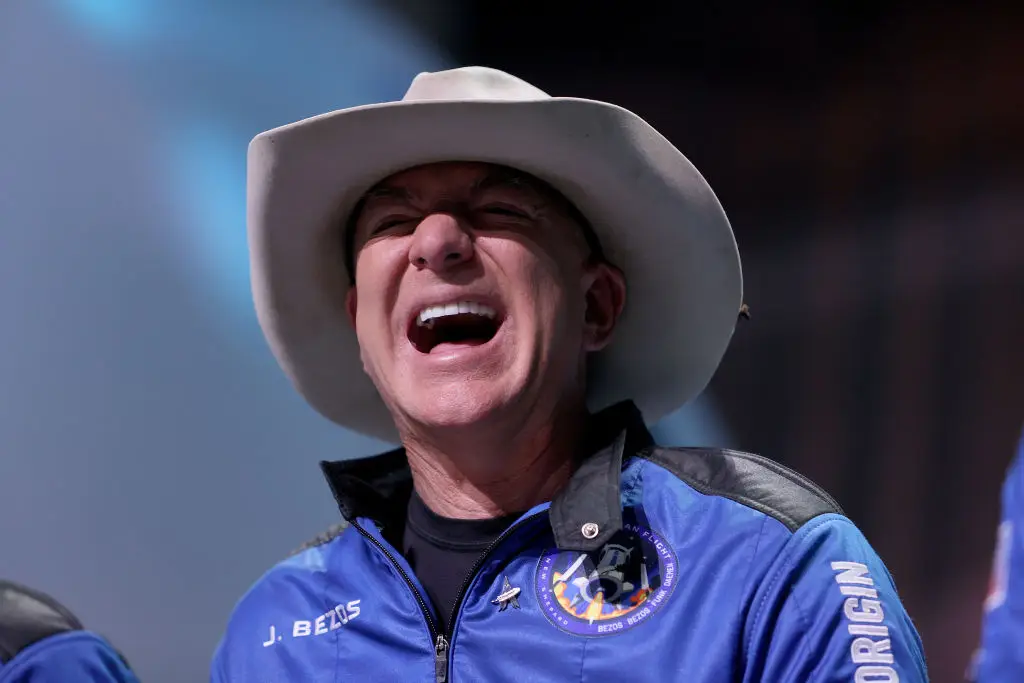
As reported by the Financial Times, Blue Origin has just secured a contract that will grant the company $468 million in exchange for two uncrewed landers, being part of a larger $20 billion investment from NASA into staying on the Moon.
Both Astrolab and Lunar Outpost also walked away with hefty deals, as each secured $220 million contracts to supply unmanned rovers to NASA, with the idea that these could even carry astronauts at some point in the future.
There was a brief moment when some believed Blue Origin could be out of the race completely, as the grounding of the New Glenn rocket caused concern. However, an investigation deemed the incident to be acceptable, allowing Bezos to pick up what could be the company's biggest ever deal.
NASA might also have to consider a recent discovery made by Blue Origin that could allow for permanent human presence on the Moon, as this might prove to be vital for human progression going forward.
Illustrating the reason why Blue Origin was chosen – and perhaps also why SpaceX was passed over – NASA administrator Jared Isaacman outlined:
"Every mission, crewed and uncrewed, will be a learning opportunity as we return to the lunar surface, build the infrastructure to stay, and master the skills required to live and operate in one of the most demanding and dangerous environments imaginable," adding that the agency desires to work with a wide range of commercial partners.
Isaacman also declared that NASA is "dusting off the 1960s [Apollo] playbook," yet if everything goes to plan then the space agency will achieve more than anyone in history, paving the way for a space-dominated future.