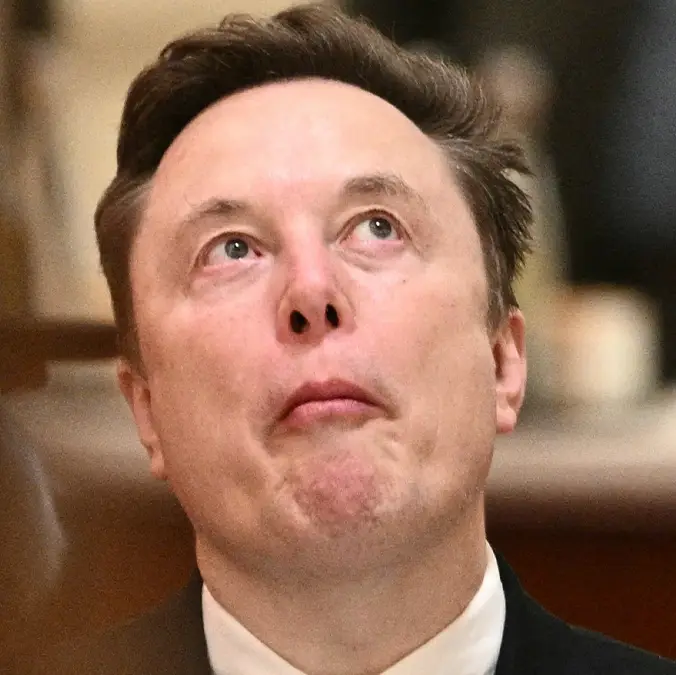
Why China’s artificial human embryo space experiment just gave Elon Musk a big problem


Elon Musk's plans for life in space could indeed hinge on the success of a recent experiment by China's national space agency, as the future of a potential Mars colony could all fall apart if the test doesn't produce successful results.
Many of the world's biggest space agencies – both government-oriented and private – are currently focused on the potential of life in space, with NASA and Elon Musk's privacy agency SpaceX in particular recently outlining plans to build a base on the Moon and Mars respectively. China's newest experiment could play a major role in any preparations being made for long-term habitation, as a test led by scientist Leqian Yu on board the Tianzhou-10 sees the potential for human life put under stress within the Tiangong Space Station.
While much of the current conversations surround the viability for humans to exist in space for a long time – and Jeff Bezos' Blue Origin has recently invented a device that could be key to that – you also have to consider whether reproduction is even possible.
Experts have indicated that the chances of conception notably decrease when you enter low- or zero-gravity environments as sperm literally becomes 'lost', but there's also the risk that it might not even survive thanks to the harsh conditions of space itself.
China’s Tianzhou-10 "Space Embryo" experiment
Key to answering this question is a new 'Space Embryo' experiment led by the China National Space Administration (CNSA), as the recently launched Tianzhou-10 spacecraft has transported artificial human embryos to the Tiangong space station.
Advert
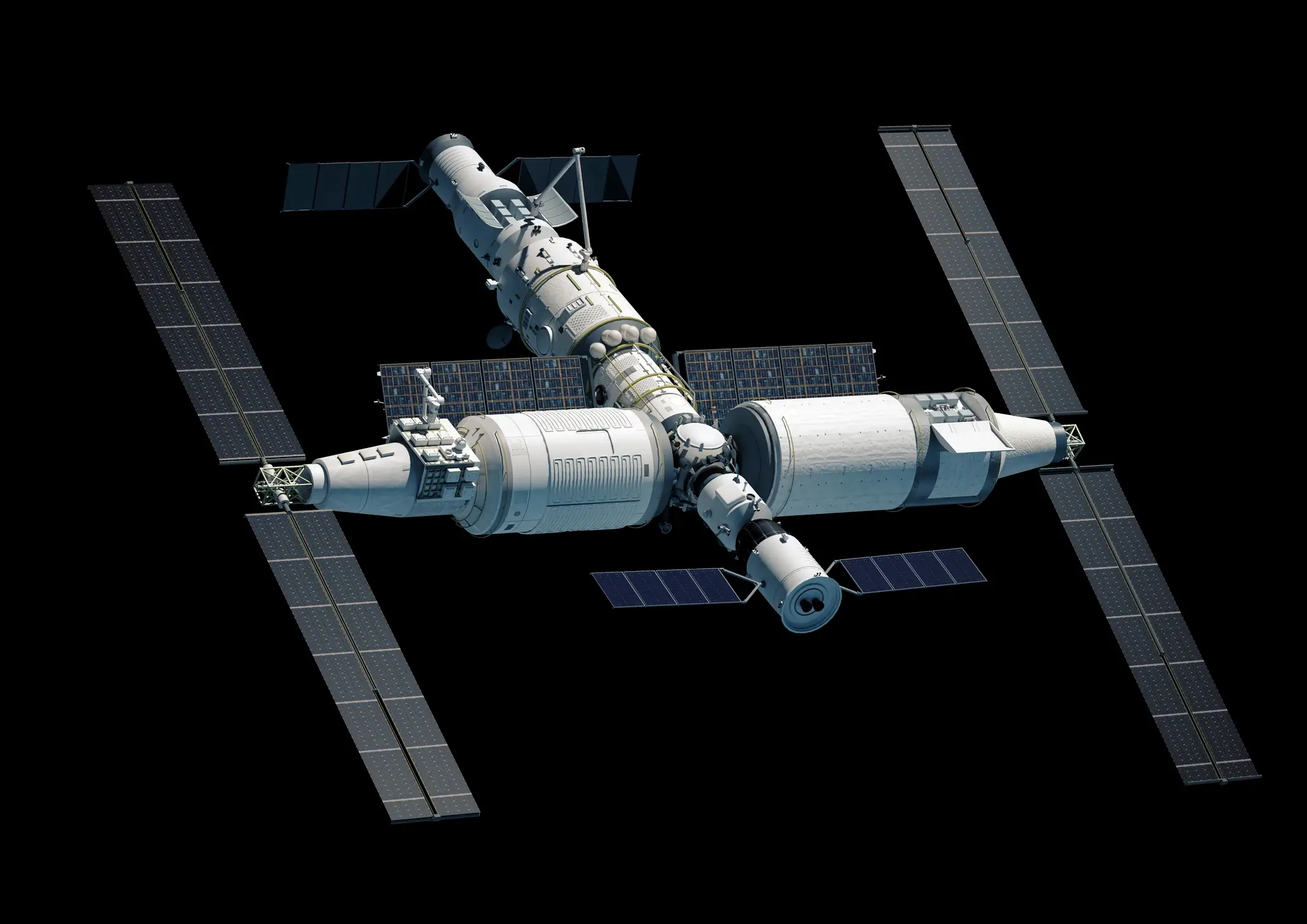
As reported by Live Science, this experiment – led by researcher Leqian Yu – aims to understand the impact of microgravity and cosmic radiation on human embryos, which will prove vital for any plans to live permanently beyond Earth.
The embryos themselves aren't human in any form and have no means of growing into an actual being, but they closely represent the form of one and "can serve as a model for studying early human development," according to Yu in a CAS statement.
Yu indicated that the experiment is going 'very well' so far, adding that "we hope that by comparing the development of space and ground samples, we can identify the factor affecting early human embryonic growth in the space environment, and address the risks and challenges humans may face during long-term space habitation."
Multi-billion dollar flaw in Elon Musk’s plan
The success of this experiment could throw a spanner in the works for Elon Musk, however, as his plans for self-sustaining habitation of a planet like Mars hinges almost entirely on the ability for people to have children in space.
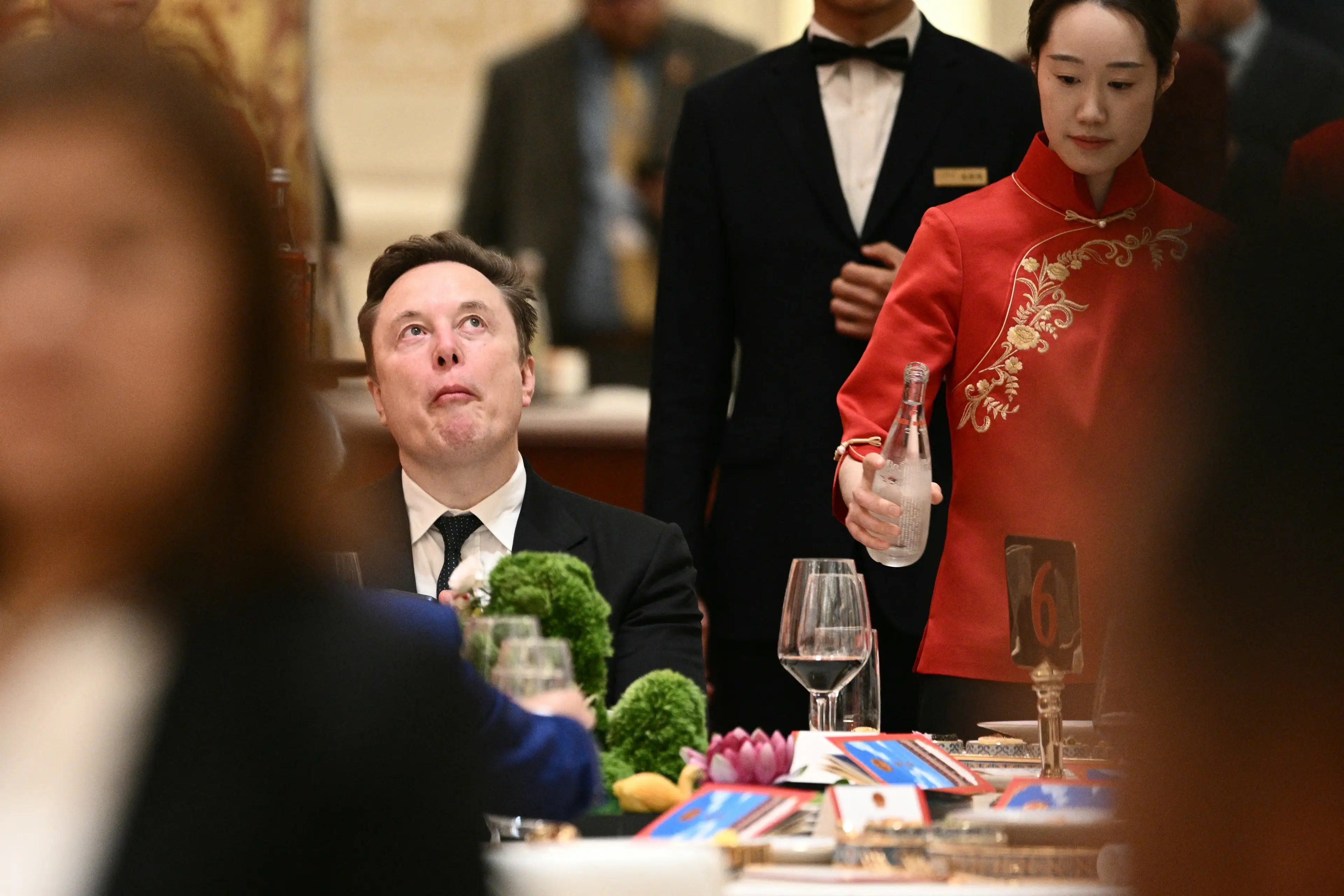
If this test spots issues indicating that childbirth isn't possible – or has notable risks – then Musk could well have wasted billions of dollars through SpaceX programs designed to get astronauts (and subsequently regular humans) to the big red planet.
There's simply no way of telling quite how the conditions of space will affect the potential for pregnancy until it actually happens though, and even with the success of Yu's experiment, there will only be answers when people try it out for themselves — something that's at least a few years away in the best case scenarios.