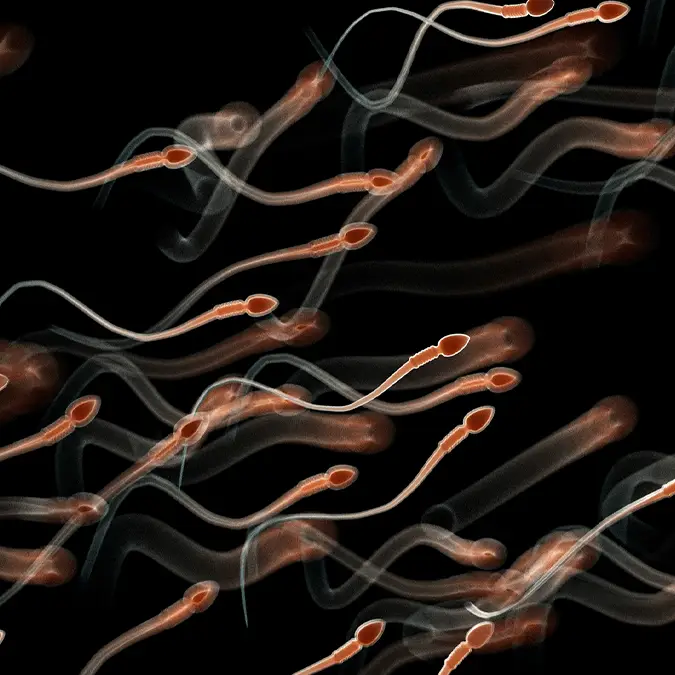
Scientists discover bizarre thing that happens to semen in space


Dreams of human colonisation in space might have just been dashed by a recent bizarre discovery, as scientists have unveiled the unexpected interaction between human sperm and zero gravity environments.
Key figures like Elon Musk have long held a dream of bringing human life into outer space, establishing plans to colonize planets like Mars with sophisticated structures that even include political systems like mayors.
We're still a long way from achieving that, especially considering there still hasn't been a successful human mission onto Mars' surface with the Moon remaining a primary focus for now, yet that could also be jeopardized following a new discovery from researchers at Adelaide University.
The study, in the journal Communications Biology, reports that experts have analyzed that sperm interacts with zero gravity environments in an unexpected way, resulting in a reality where conception in space is at best improbable and might even be impossible.
Advert
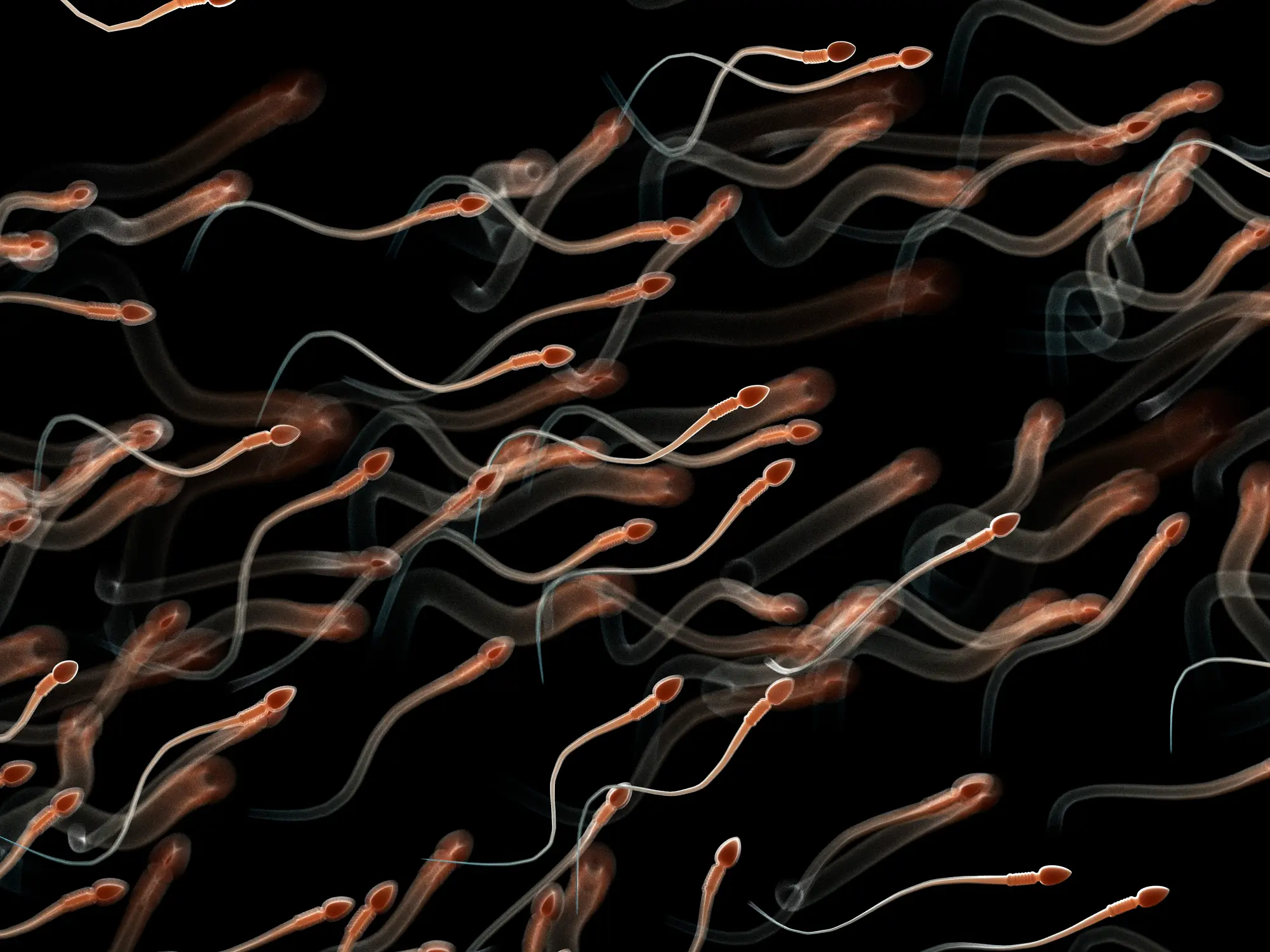
The scientific explanation outlines that the lack of gravity strongly inhibits the sense of direction for each individual sperm cell, making it challenging for them to find their way to the egg and create a child.
One former NASA astronaut has already speculated that there haven't been any instances of sex between astronauts in space so far, perhaps playing a part in the length of time it's taken for scientists to make this discovery.
"This is the first time we have been able to show that gravity is an important factor in sperm's ability to navigate through a channel like the reproductive tract," explained Dr Nicole McPherson, a senior author of the study.
"We observed a significant reduction in the number of sperm that were able to successfully find their way through the chamber maze in microgravity conditions compared to normal gravity," she added, noting that this didn't change how the sperm physically moved but altered exclusively their sense of direction through other elements.
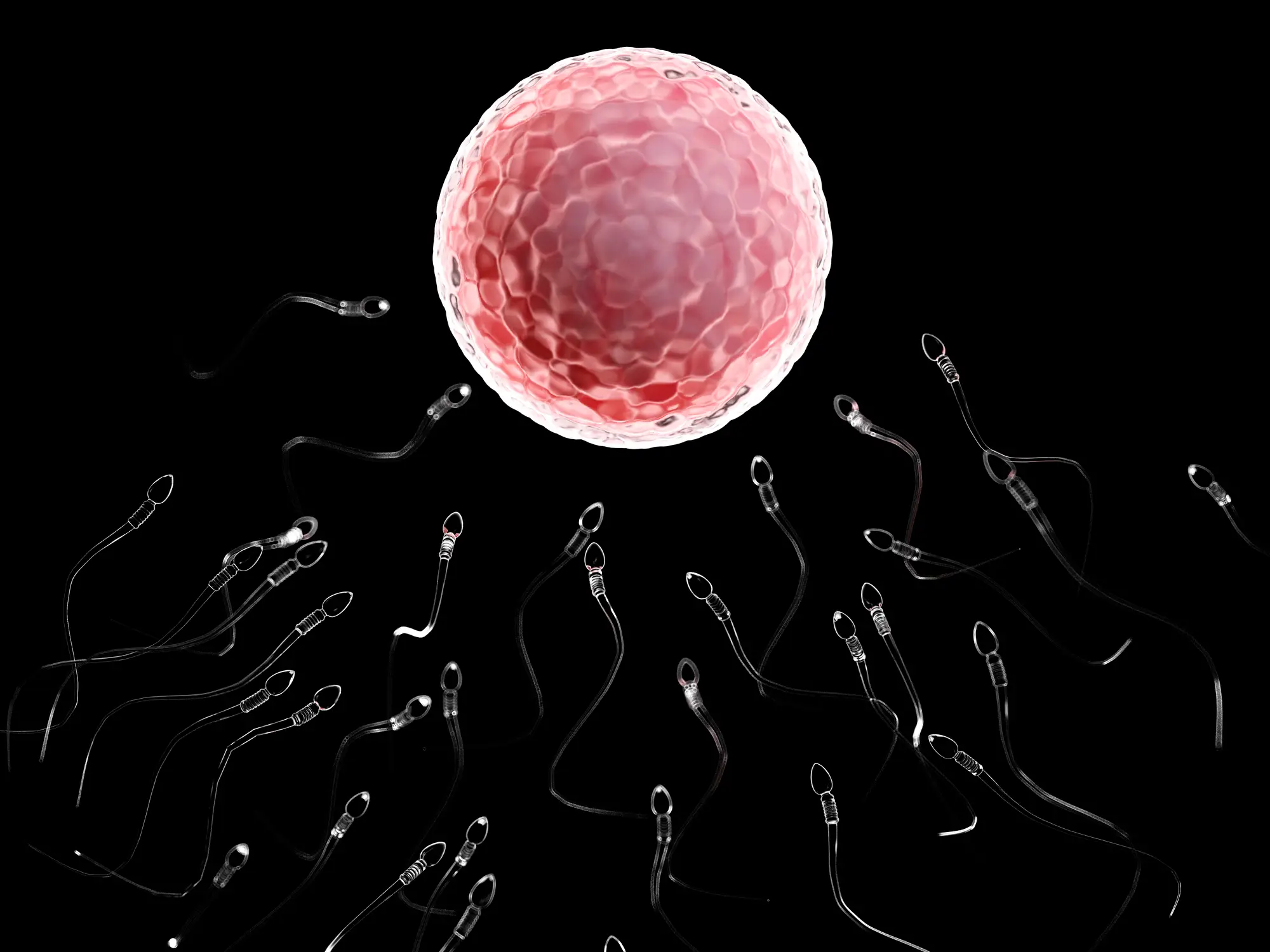
The study did 'only' observe a 30 percent reduction in the number of eggs that were successfully fertilized in microgravity conditions, although this could be even greater in actual space conditions which are understandably difficult to properly test.
Consequently, it's not necessarily impossible to conceive children in space based on the new evidence – putting plans for continued colonization back on the map – but it is certainly going to be harder than back down on Earth.
Add to this the lack of long-term analysis of how zero gravity environments impact our bodies as a whole and it remains unclear whether human pregnancy would be possible or sustainable in outer space.