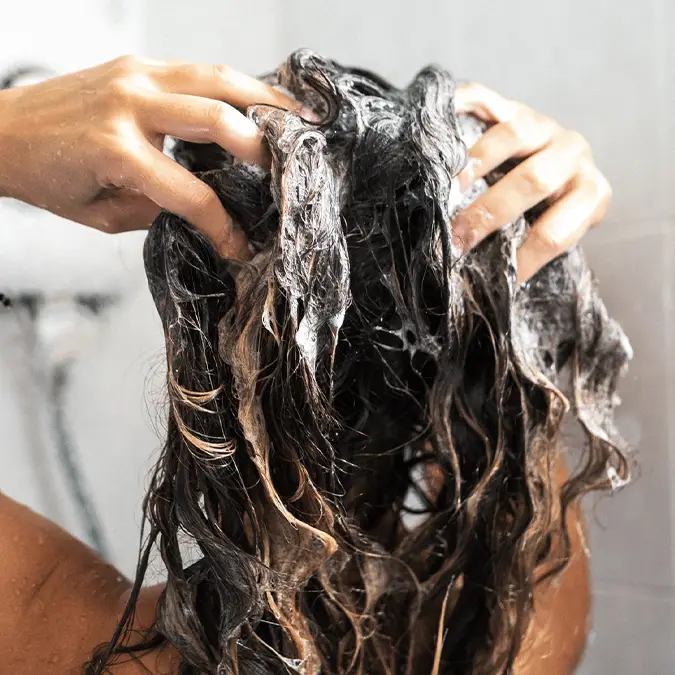
Scientists finally reveal how often you should be washing your hair and it's not the answer you'd expect


It's a topic that's divided people for years...
Like the way toilet roll should be facing to the best way to fall asleep, some everyday habits are known to be different for everyone.
The same goes for how often you should be washing your hair. Some people swear by a daily wash, others stretch it to once a week, but both are convinced the other is doing it wrong.
However, the belief that washing too frequently strips the hair of its natural oils has become so widely accepted that many people avoid shampooing more than a couple of times a week.
Advert
As it turns out, that may be the wrong approach.
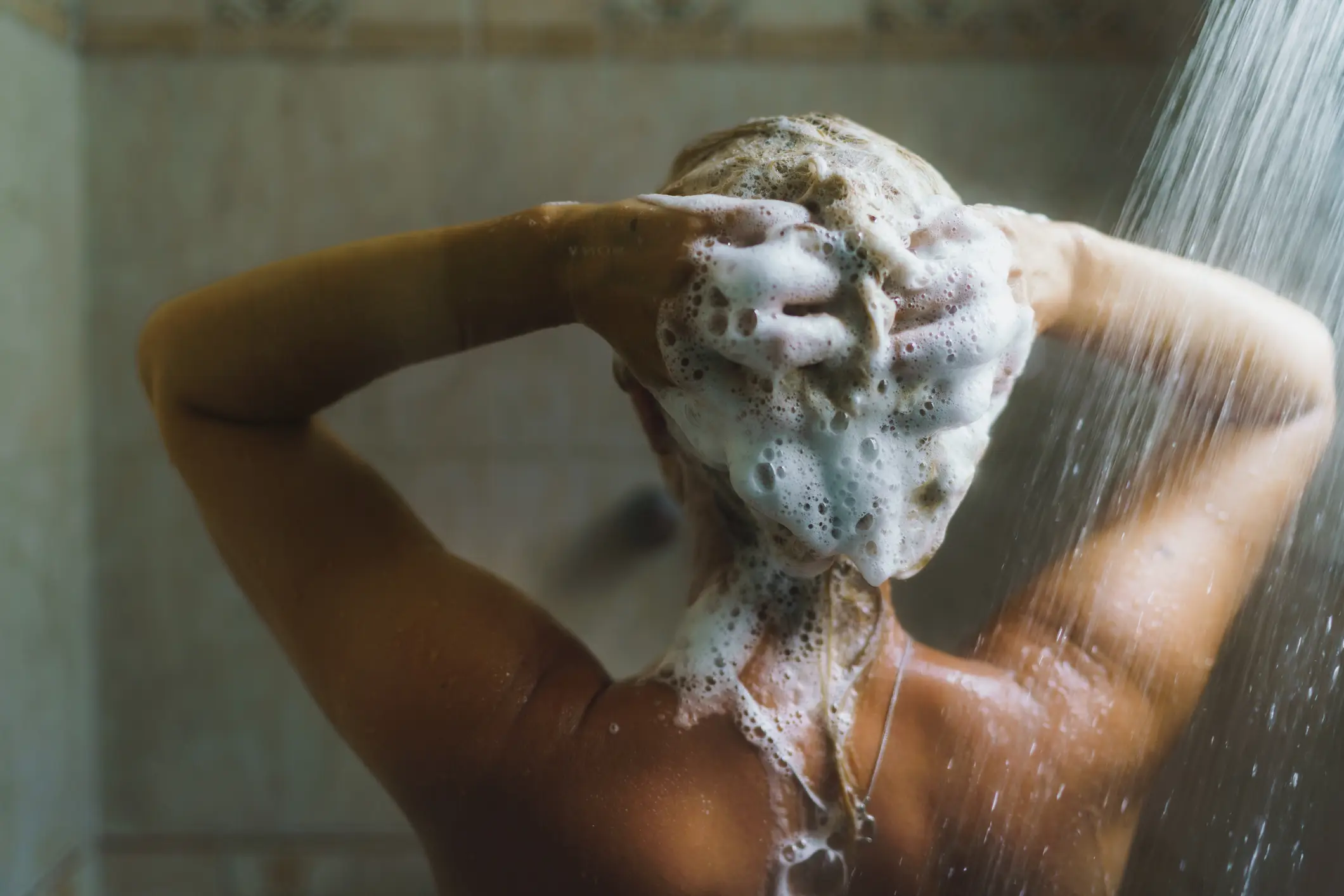
According to new research, washing your hair five or six times a week appears to be the sweet spot for both scalp health and overall hair condition.
Procter & Gamble recruited over 1,500 men and women to take part in a trial testing different washing frequencies.
Participants were assigned to wash their hair either once a week, twice a week, three to four times a week, or five to six times a week. They then rated the health of their hair and tracked how many 'great hair days' they had.
The results showed that the more frequently people washed, the better their hair felt and looked. Those who washed almost every day reported the lowest levels of itchiness, dandruff, and scalp irritation and recorded the highest number of 'great hair days.'
While the scientists acknowledged that the ideal frequency will vary to some degree depending on hair type, they suggest that worries about 'overwashing' are baseless.
According to the team, going longer periods without washing your hair leads to a buildup of an oily substance called sebum. In normal amounts, sebum is beneficial, helping hair retain moisture and keeping the scalp healthy. But when it builds up over several days, problems can arise.
"When the hair and scalp are not cleaned frequently enough, you can get an overgrowth of bacteria and yeast," said Dr Shilpi Khetarpal, board–certified dermatologist at the Cleveland Clinic (as shared by Daily Mail). "Bacterial overgrowth can lead to acne–like bumps in the scalp called folliculitis. Yeast build–up can present as dandruff or seborrheic dermatitis, where there is flaking, itching and redness of the scalp."
The longer sebum sits on the scalp, the more it degrades, releasing irritating compounds, such as free fatty acids and oxidised lipids, that aggravate the skin further.
Overall, regular washing was found to remove the buildup before it reaches that point and keep hair in better condition.