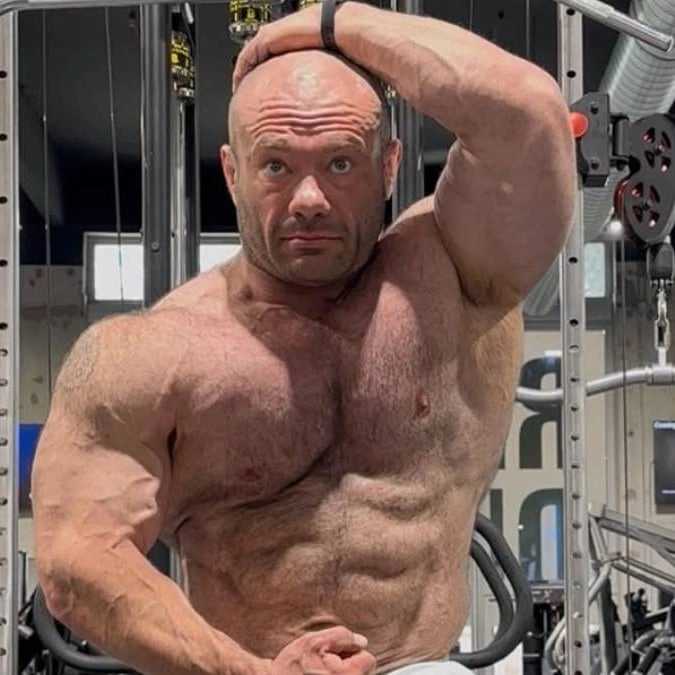
Muscle-building expert reveals exactly how long it takes to lose muscle


While some might think flexing your muscles is a simple case of power, most know you need brains to keep that brawn. They say that abs are made in the kitchen, with it being 70% nutrition and 30% exercise, but according to one muscle-building expert, there’s plenty of science behind how we stay 'swole' and what happens when we put down those dumbbells.
Speaking to Steven Bartlett as part of his Diary of a CEO podcast, sports science and nutrition expert Dr. Michael Israetel has explained how long it takes for us to lose muscle.
Bartlett uses himself as an example, saying that while he's focused on his biceps, he's curious to know how long it would be until he loses his progress. Israetel suggested that things would be technically noticeable in as little as two weeks.
The gym expert confirmed: "Within about two weeks of not training, the first reduction in muscle that is detected by modern machinery occurs.
Advert
“So if you don't lift for two weeks, and we put you in an MRI scanner or a DEXA scanner, let's say a week and a half, you don't lift, I can't tell. You're not really losing any muscle yet."
Israetel admits he would've gone 'insane' long before this because he's addicted to lifting.
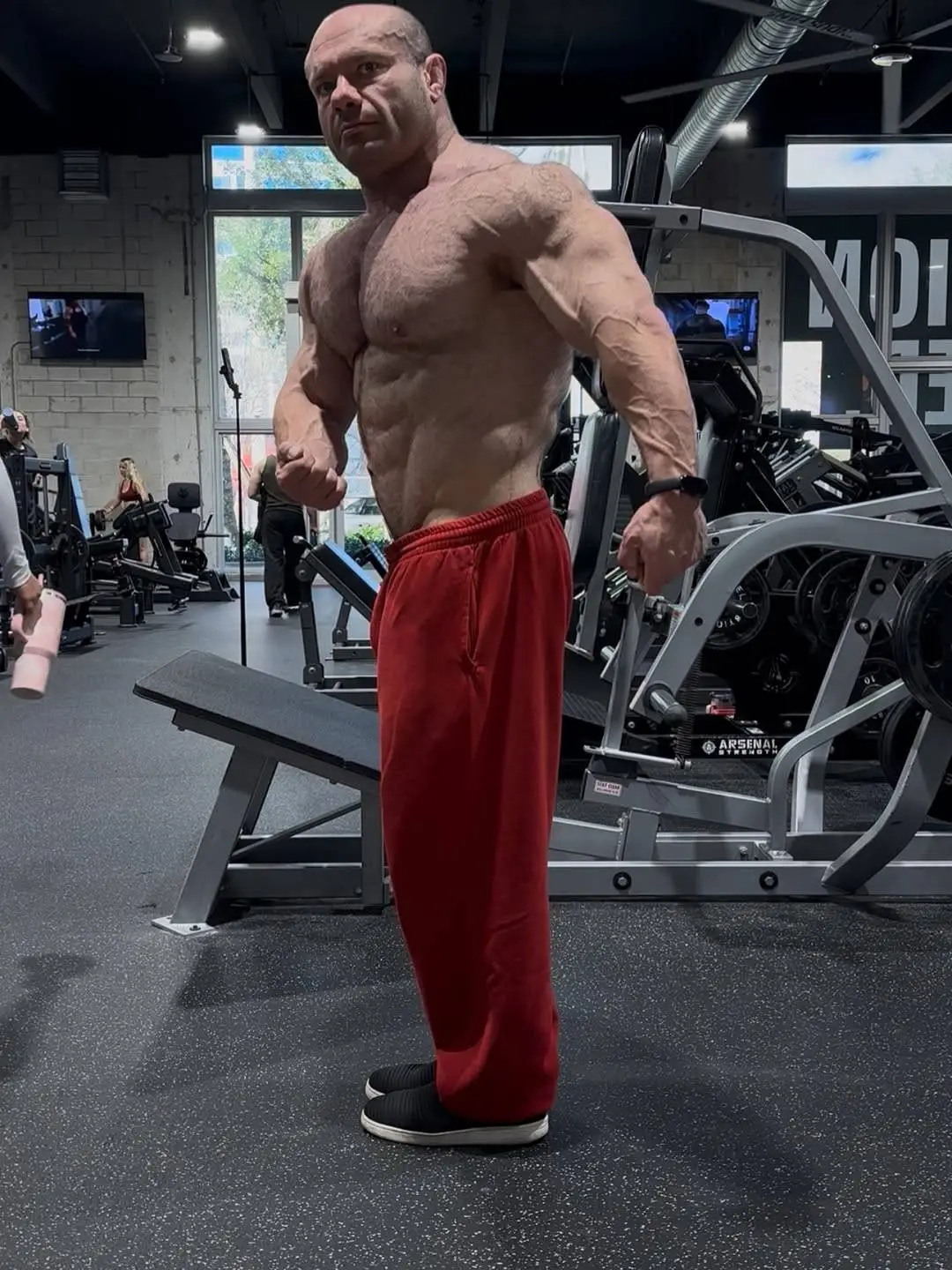
Even though your muscles might look smaller after about a week of not training, that's only because they tend to swell when you're training, giving the appearance that they're bigger than they really are, you might know this effect as a 'pump'.
In reality, it takes 'weeks and weeks' before you'll actually lose your muscles. They'll likely still be bigger than they were before you started lifting, with muscle memory having a big part to play.
For those worried they'll go from Avengers: Endgame Steve Rogers to a pre-Super Soldier Serum Captain America, Israetel reiterated: "A lot of times, when you gain an initial amount of muscle, especially if you've been at it for years, it just never goes back to the same size as when you started. It's just always going to be bigger until you reach your 80s or something like that."
The second part of his answer is 'good news', stating that muscle memory means it should take a factor of 10 less time to get that same physique back.
He uses the example of someone who lifted for eight months and then stopped for three months. While most might think it'll take another eight months to get back to where they were, Israetel is adamant you can get back to that same peak in as little as three weeks.
Flexing his own muscles and credentials, Israetel continued to suggest that if you're notably bigger than before and have held that muscle for a few months or years, "It comes back in a way that is so fast. If you experience it yourself, it's like you don't believe that it's happening to you."
He goes on to say there have been training and retraining studies where scientists purposefully get subjects to life and then stop, just to see this in action.
This is good news for those of us who might fancy a summer vacation or tend to take it a little easier in the winter months as we indulge. Israetel maintained: "If you left the gym for six months, one or two months later, you're in the best shape of your life again.
"That's how rapidly it comes back, so it's really good news for anyone who hasn't been in the gym and is feeling guilty about it."
Giving us some parting motivation, he concluded: "Go back, get consistent again, you're just going to skyrocket."