
Exactly how fiber helps your body fight risk of bowel cancer as cases surge


It's hard to keep track of what we're meant to be eating and not eating in 2026, and as soon as it seems we're told one specific food is a supposed miracle we should be ingesting, it's then slapped on a list of foods that are apparently bad for our health.
There was recent controversy when the Trump administration shared new dietary guidelines that flipped the traditional model on its head and put an emphasis on the likes of red meat and butter. While United States Secretary of Health and Human Services Robert F. Kennedy Jr. was praised for waging war against ultra-processed foods, the updated advice came under fire for suggesting we swap out olive oil for his favorite alternative of the saturated fat-loaded beef tallow.
Still, Kennedy championed his health mantra as he said: "My message is clear: eat real food."
As part of the guidelines, the government pushed a protein and full-fat dairy diet that includes fiber-rich whole grains alongside fruit and vegetables. Importantly, we're told to avoid ultra-processed goods and prepackaged snacks.
Why is colorectal cancer on the rise in the USA?
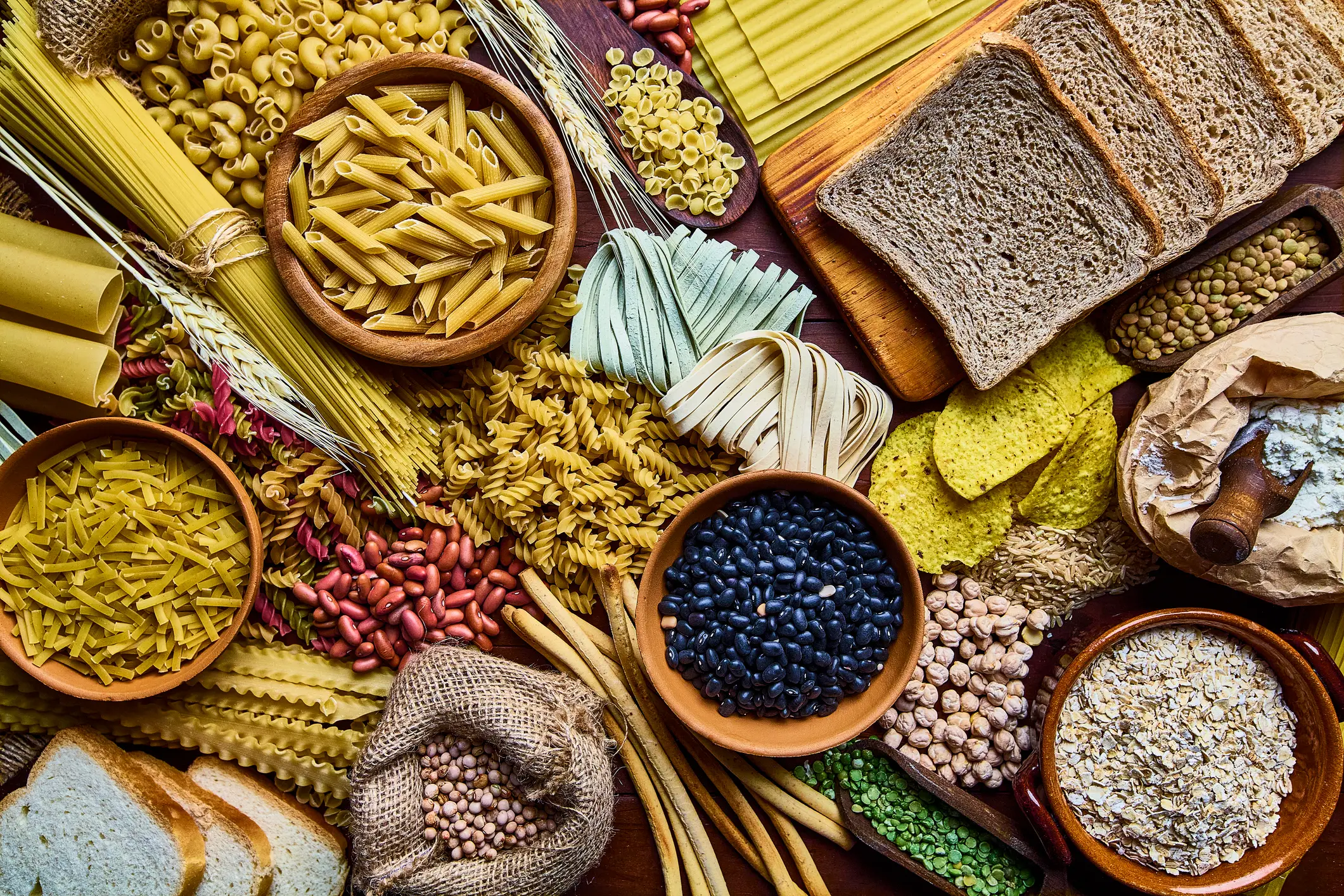
Advert
We were recently told that breakfast staples like bacon and cereals are bad for us when it comes to increasing the risk of cancer, but don't worry, there's an apparent superfood hiding in plain sight.
The Cancer Research Institute warned that cases of colorectal cancer were 'skyrocketing' in 2025, with it being the third most diagnosed cancer in the USA and the third leading cause of cancer death in men and women.
It was estimated that in 2025 alone, there would be 154,000 new cases of colorectal cancer diagnosed in the USA. We saw this tragedy hit close to home when the family of the legendary Catherine O'Hara confirmed she'd passed away due to pulmonary embolism, with rectal cancer listed as the underlying cause.
Worringly, the CRI says that there's been a consistent annual increase of 2% when it comes to colorectal cases in adults aged 20-39, with a lack of exercise and increased consumption of processed foods being to blame, as well as eating too much red meat – something seemingly at odds with RFK's guidelines.
How can fiber help fight bowel cancer?
Fiber is key to fighting the risks of bowel cancer, as it boosts the biological mechanisms that help protect the cells lining the human body's colon. Notably, fiber adds bulk to our stools, which helps them move more quickly through the gut. The quicker waste moves, the less time harmful carcinogens have to stay in contact with your bowl lining. In turn, this reduces the chance of DNA damage in colon cells.
Importantly, a high-fiber diet helps strengthen your intestinal lining and increases the feeling of fullness. As previously mentioned, bowel cancer is linked to obesity, so with fiber helping maintain a healthy weight, it's another big tick.
High levels of insulin and insulin resistance are also tied to a higher risk of colorectal cancer, but with fiber slowing sugar absorption and reducing insulin spikes, we should be upping our intake.
What foods are high in fiber?
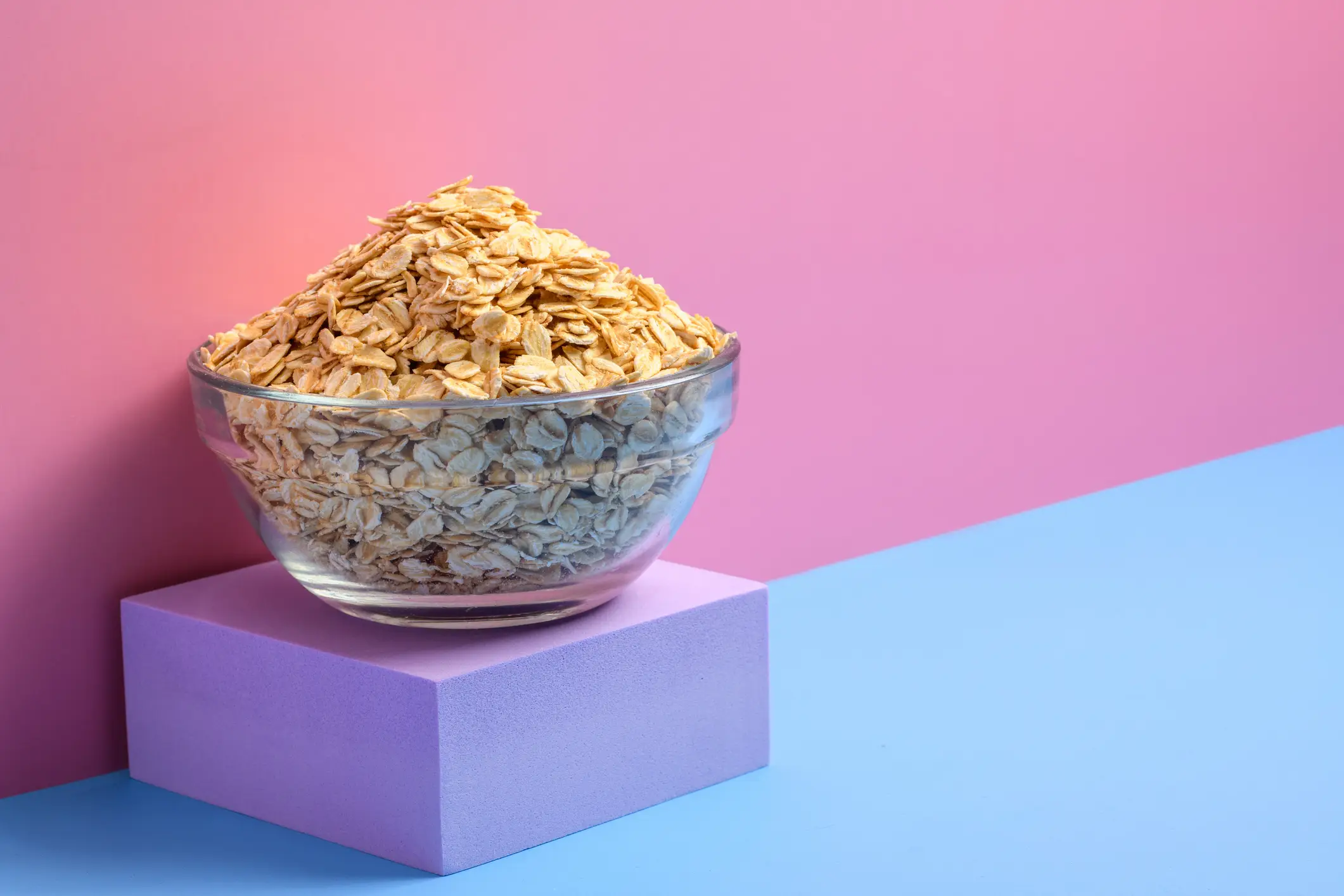
It's not just importing a bowl of Kellogg's Fruit 'n Fibre from the United Kingdom, with specific foods helping boost our fiber intake.
Soluble and fermentable fibers help increase production of butyrate and can be found in foods including oats, barley, legumes, root vegetables like sweet potatoes, and fruits like apples. Butyrate is important because it's the main fuel source for colon cells, reduces inflammation, and helps damaged cells self-destruct via a process called apoptosis.
Experts suggest that for every 10g of fiber intake we increase daily, that translates to a 10% reduction in the risk of bowel cancer.
Wholegrain fiber is supposed to be especially protective, with this specifically relating to foods that contain the entire grain kernel (the bran, germ, and endosperm). If you're looking to get your wholegrain fiber fix, check out barley, bulgur wheat, quinoa, and brown rice. In terms of snacks, air-popped popcorn, rye crackers, and oatcakes should be your go-to.
All of this should get you well on the way to hitting a minimum daily fiber intake of 25–30g.