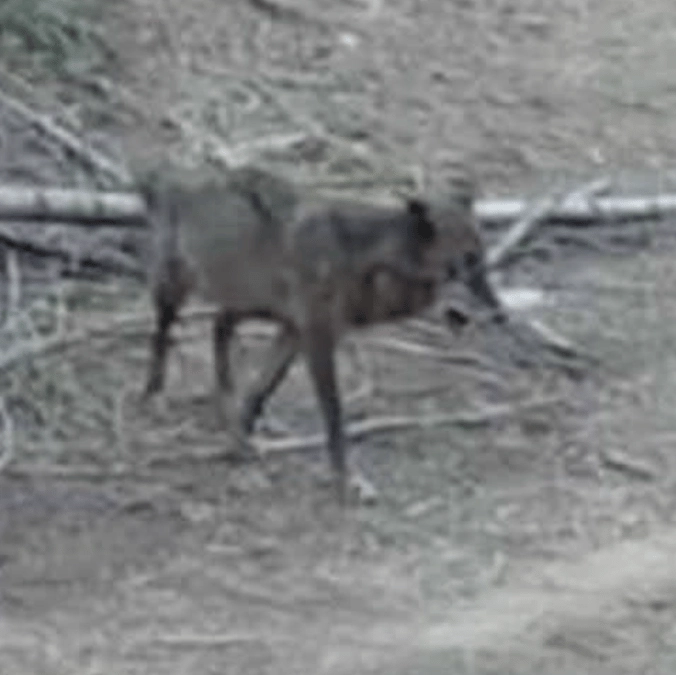
Endangered animal spotted in Los Angeles for first time in over 100 years


An endangered animal has been spotted in Los Angeles, California for the first time in over a century.
For over a hundred years, one iconic predator has been conspicuously absent from the landscapes of Los Angeles County.
Driven to local extinction by hunting and trapping in the early 20th century, this apex predator vanished from California's wilderness, leaving behind only stories and historical records. Officials estimate that at least 60 wolves remain in California today.
And now, according to a new report, a three-year-old grey wolf has been spotted in Los Angeles County around 6am on Saturday (7 February).
Advert
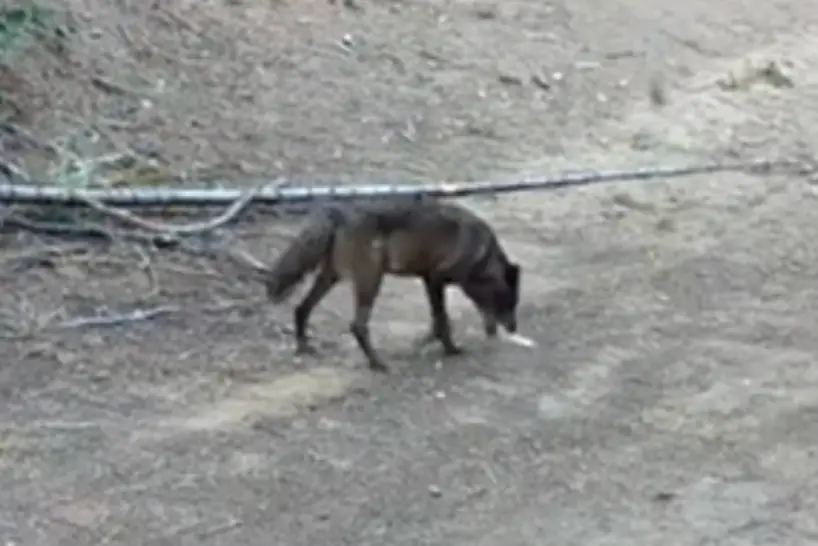
Born in 2023 to Plumas County's Beyem Seyo Pack, the young female wolf known as BEY03F has since journeyed more than 370 miles southward, according to officials. She was last seen in the mountains north of Santa Clarita, Axel Hunnicutt, the grey wolf coordinator for the California Department of Fish and Wildlife, told the Los Angeles Times.
Wildlife officials have been monitoring BEY03F's movements via a GPS collar attached to her last May. That same tracking data revealed she'd been in the desert south of Kern County just four hours before the Santa Clarita sighting, Hunnicutt noted.
“Her journey isn’t over,” Hunnicutt added. “The fact that she is still on the move is an indication that she has not found a mate and suitable habitat.”
Speaking to the LA Times, John Marchwick, a writer for the nonprofit California Wolf Watch, reported that the sighting was a 'historic moment in the return of wolves to California,' praising the efforts of the state Department of Fish and Wildlife and the state's Endangered Species Act.
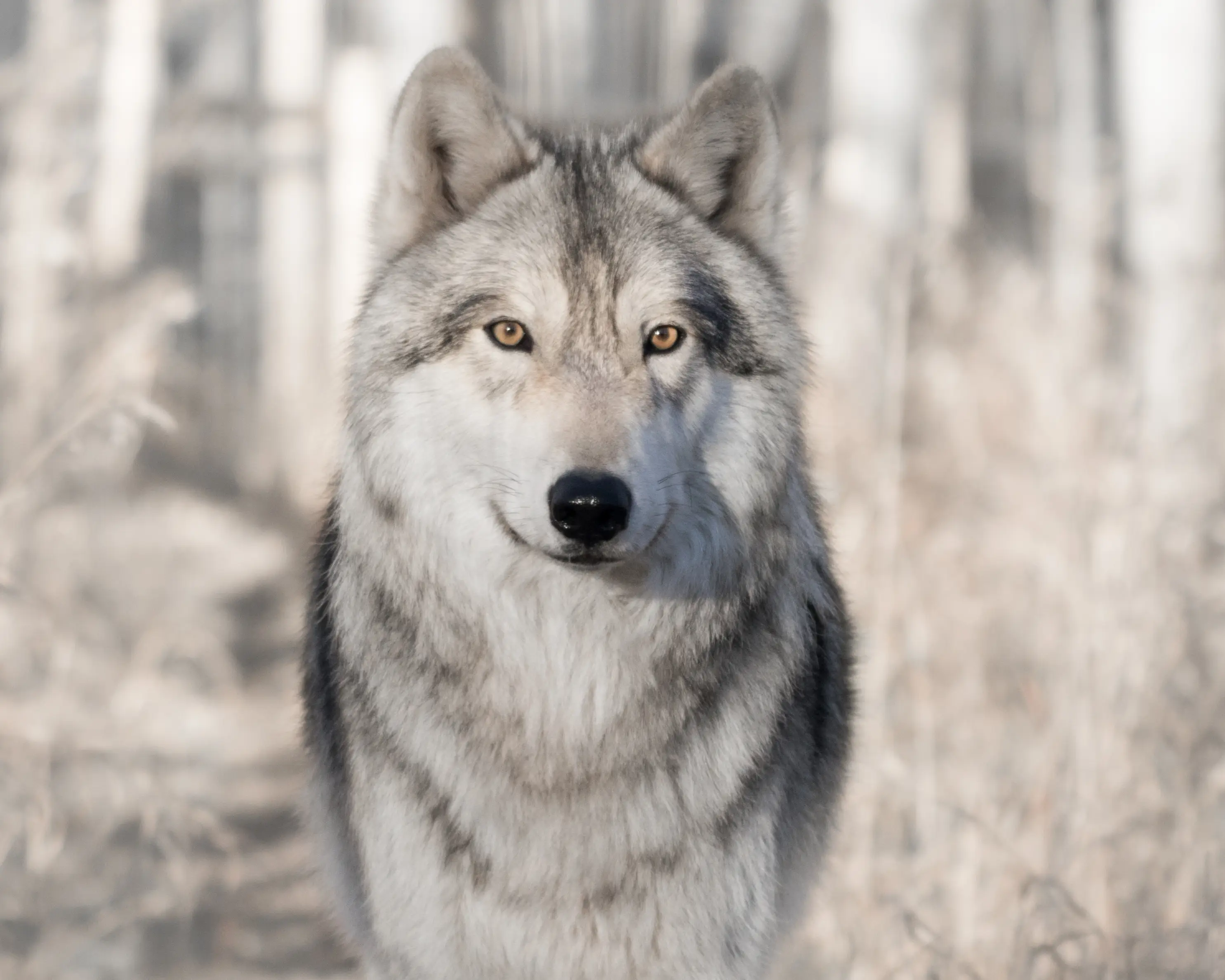
By Sunday, BEY03F was thought to be roaming the San Gabriel Mountains, a territory where no known wolf packs currently reside. However, if she ventures toward the Tehachapi Mountains, she might encounter other wolves and form a new pack.
"The one thing that we do know is the more that she moves, the more that she has to encounter human infrastructure, and particularly highways," Hunnicutt explained. "And we know that in California, the highest known cause of mortality for wolves is vehicle strikes."
Yellowstone biologist Douglas Smith noted that 'the wolf is a keystone species,' adding that if 'you remove it, the effects cascade down to the grasses.' Furthermore, the California Wolf Center stated that the wolf's role as an apex predator is vital for maintaining a balanced food chain and nurturing biodiverse ecosystems.