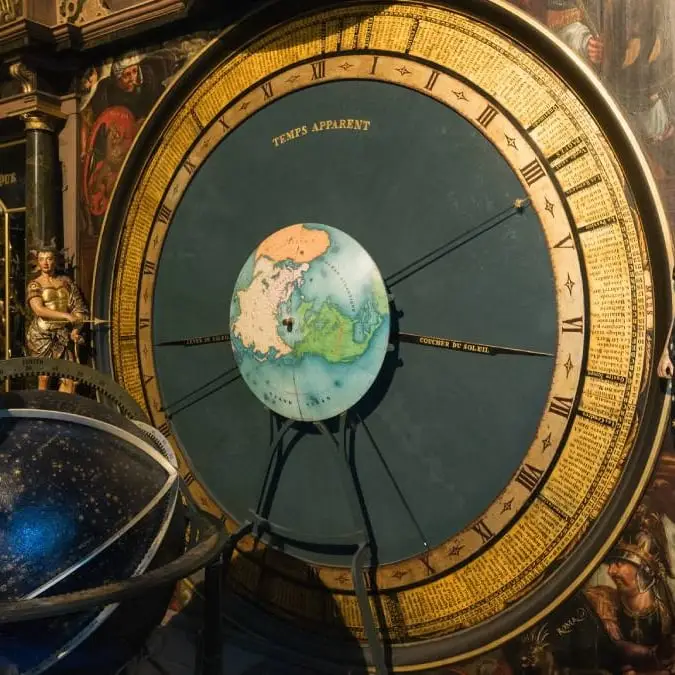
Scientists predict 25-hour days might be coming soon as Earth’s spin slows down


We all get the same 24 hours in a day, but soon, it could be the same 25 hours. The latest scientific research predicts that 25-hour days could soon be on the way, with the Moon to blame for this massive overhaul of our daily lives.
We already have plenty to contend with when it comes to the planet's future. Simulations of what would happen if the Earth suddenly stopped spinning, along with Sir David Attenborough's warnings about climate change, paint a sobering picture of where current trends are heading.
Now, scientists have predicted that Earth's rotation is slowing, which means our days could be getting longer.
The cause of this appears to be the gravitational relationship between the Earth and the Moon.
Advert
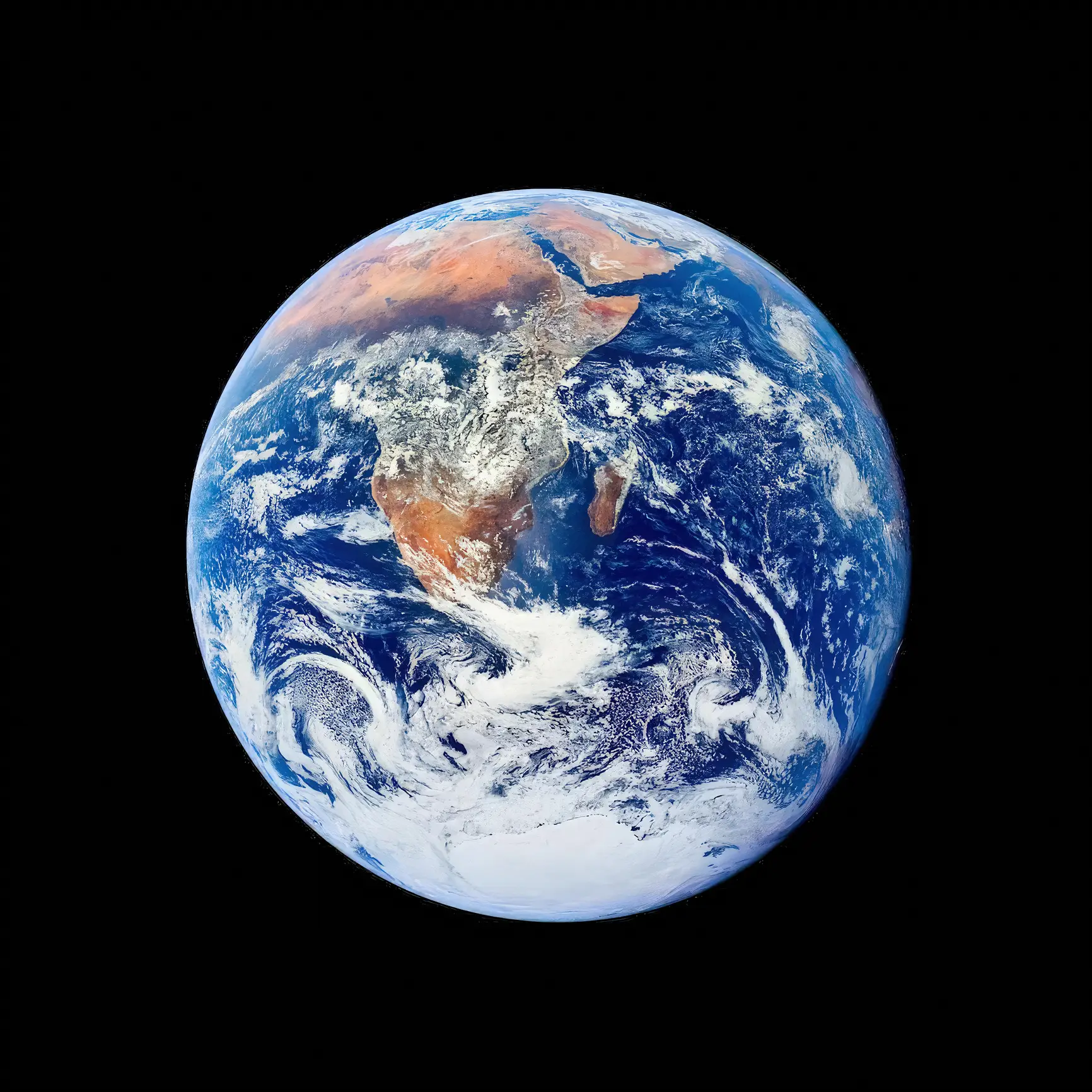
As the ocean and seafloor generate friction against the tidal bulges created by the Moon's gravity, some of that rotational energy is transferred away from the Earth. In turn, the Moon accelerates slightly and drifts approximately 3.8 centimetres further from Earth every year.
The net effect on the length of a day is an increase of around 2.3 milliseconds per century, the researchers note.
That may sound negligible, but NASA says it has an 'accumulated effect' on the planet over time, amounting to roughly 40 seconds lost over a century, and leaving Earth around an hour 'behind schedule' by the end of the millennium.
As shared by the Daily Express, scientists predict that a 25-hour day could become reality in approximately 200 million years.
It's also worth noting that the Earth does not slow at a consistent rate. Scientists point to what they describe as 'non-tidal effects of climate change', including global warming and the melting of the polar ice caps, as factors that make precise long-term forecasting 'impossible.'

NASA's Surendra Adhikari said: "In barely 100 years, human beings have altered the climate system to such a degree that we're seeing the impact on the very way the planet spins."
To manage the discrepancy between atomic timekeeping and Earth's actual rotation, the United States National Institute of Standards and Technology uses leap seconds. These are occasional one-second adjustments to Coordinated Universal Time that keep our clocks aligned with the planet's movement.
A NASA-funded study also found that the redistribution of large masses, such as ice and water, can decelerate our planet's spin. "These resulting shifts in mass cause the planet to wobble as it spins and its axis to shift location - a phenomenon called polar motion," the study found.
"They also cause Earth's rotation to slow, measured by the lengthening of the day. Both have been recorded since 1900."
While we assume we'll all be long gone by the time it gets to a 25-hour day, it's still a fascinating look at where things could be heading.