YouTuber reveals how one of the world's most toxic drugs saved his life after cancer diagnosis


A YouTuber has revealed how one of the world’s most toxic drugs helped to save his life after he was diagnosed with an aggressive form of cancer.
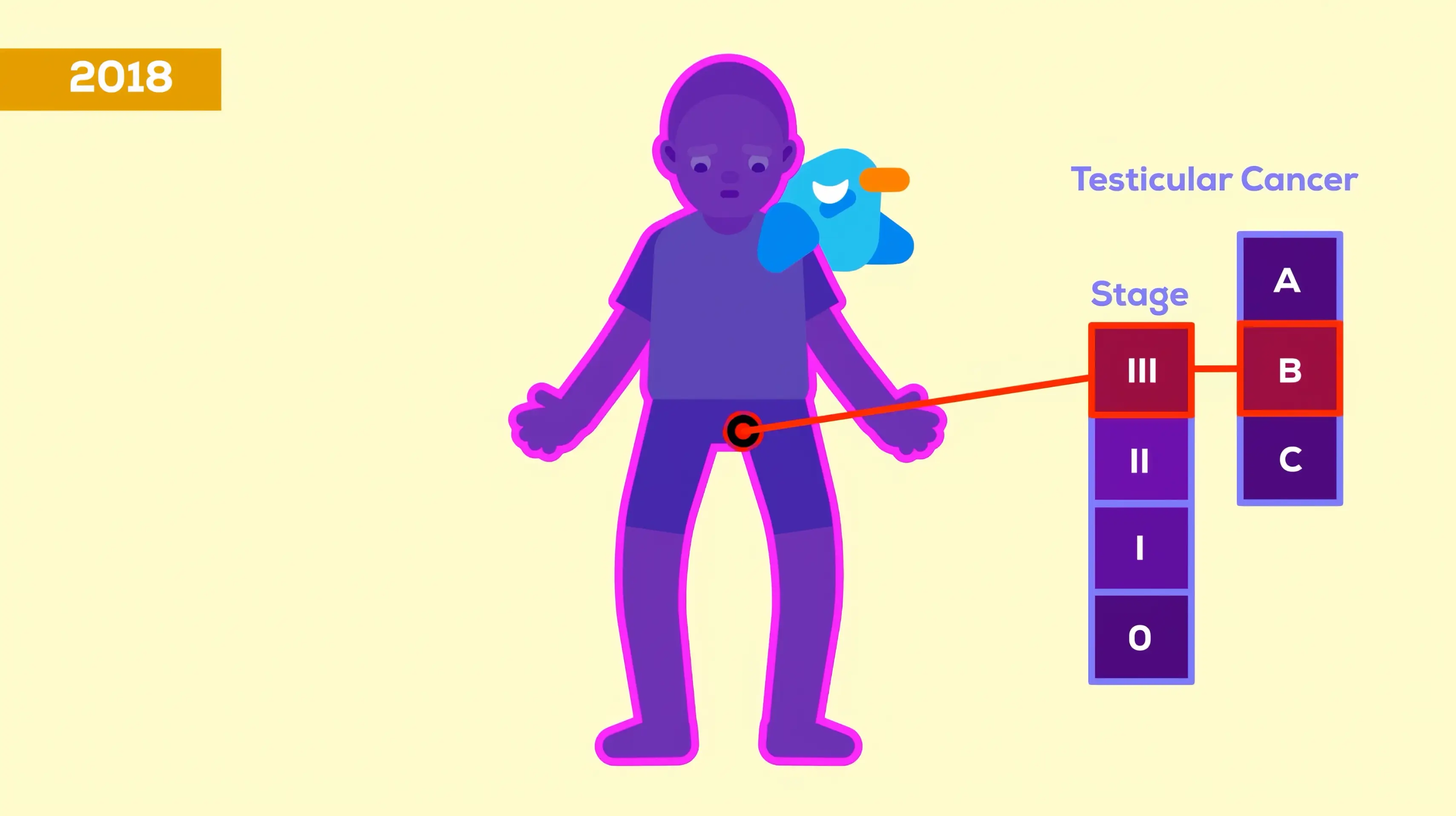
The YouTube channel, which is known as Kurzgesagt – In a Nutshell, published a video which detailed how the content creator was diagnosed with stage three testicular cancer back in 2018.
He shared his experience of undergoing chemotherapy and the unlikely drug that ultimately helped him beat the disease.
Advert
Despite being known for its potentially devastating effects on the human body, the drug - cisplatin - has become a crucial part of cancer treatment and has helped transform survival rates for patients.
And while the YouTuber admitted the experience was far from pleasant, he said the treatment had completely eliminated the cancer in just six weeks.
YouTuber describes terrifying moment during chemotherapy
The YouTuber explained that his cancer had already spread to several lymph nodes and his lung by the time he began treatment and one of the drugs used during chemo was cisplatin, which is a chemotherapy agent containing platinum that is considered to be highly toxic.
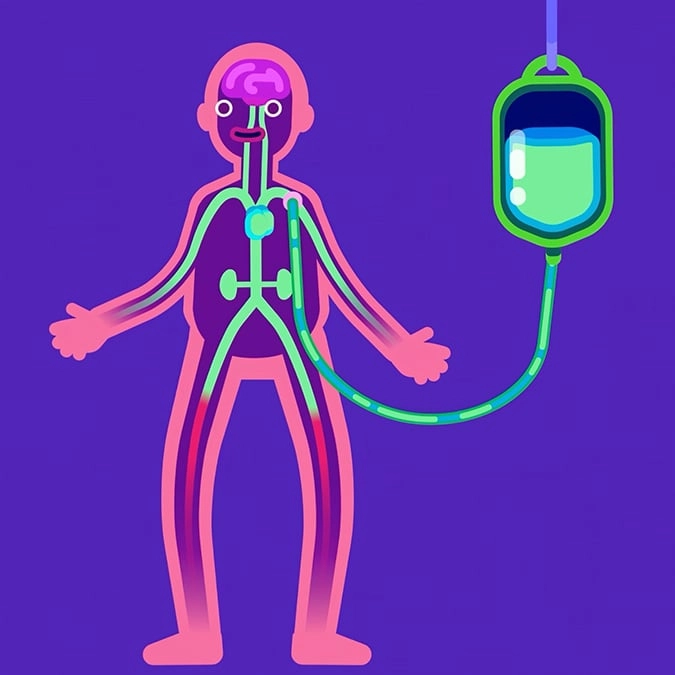
He recalled one particularly memorable moment when his doctor was preparing to administer the medication through a central venous access device in his chest.
The drug was delivered in a large, refrigerated bag, but a single drop escaped during the process and his doctor immediately panicked, checking whether the liquid had touched her gloves or skin.
The YouTuber found the situation amusing, given that he was about to have an entire bag of the same substance infused into his bloodstream.
How a potentially dangerous chemical became a cancer treatment
The discovery of cisplatin dates back to the 1960s, when physicist Dr Barnett Rosenberg was investigating the effects of electricity on living organisms.
During his experiments, he noticed that bacteria exposed to platinum electrodes stopped multiplying and began growing into unusually long shapes, with further investigation revealing that platinum compounds were responsible for the unexpected effect.
At the time, experts were increasingly interested in chemotherapy drugs capable of stopping cells from dividing, making the discovery particularly significant.
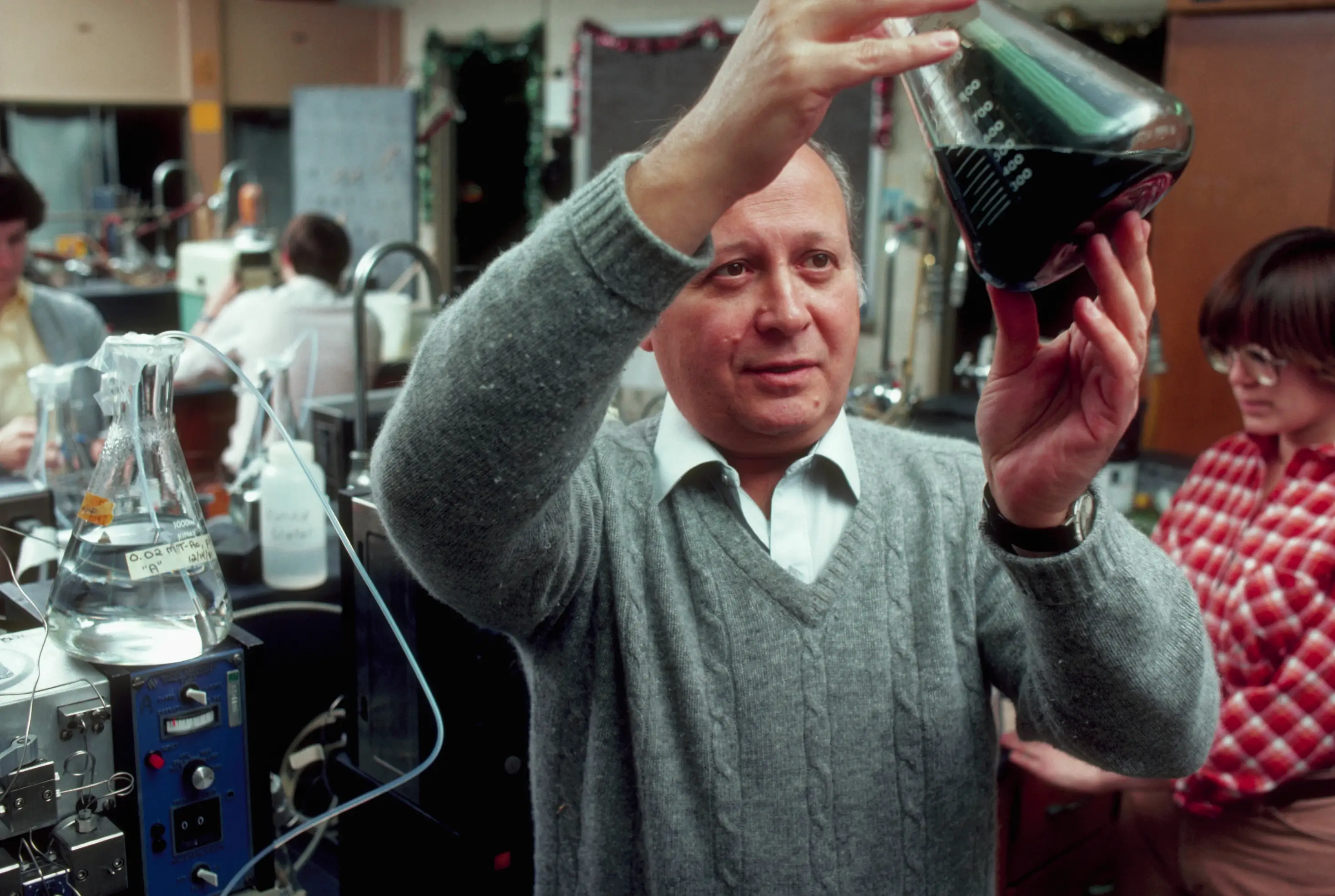
Rosenberg subsequently investigated whether the compound could work against cancer, testing it on mice with tumors and, while high doses proved fatal to some of the animals, lower doses caused their tumors to shrink, with some disappearing completely.
Early human trials produced worrying results, with some patients experiencing serious complications, including kidney damage but a study of 11 patients with advanced testicular cancer revealed just how helpful the drug could be as six patients responded to treatment, and three went into complete remission.
Today, testicular cancer has a survival rate of around 95%, according to figures cited in the video.