How lethal injection works as Charlie Kirk murder suspect faces possible death penalty


Judge Tony Graf has set a date for the trial of Tyler Robinson, the 23-year-old who stands accused of fatally shooting Charlie Kirk in September 2025. As the State of Utah seeks the death penalty, and there's much debate about capital punishment in America, the state's preferred method of execution has also been called into question.
Despite Utah being one of the first states to reinstate the death penalty after it was invalidated by the U.S. Supreme Court in 1972, and the first to perform an execution in the modern era, executions have been rare over the past five decades.
After Ronnie Lee Gardner was executed by firing squad in June 2010, Taberon Dave Honie was put to death by lethal injection in August 2024. If Tyler Robinson is sentenced to the death penalty, it's most likely that he would be executed via lethal injection.
What's the latest with Tyler Robinson?
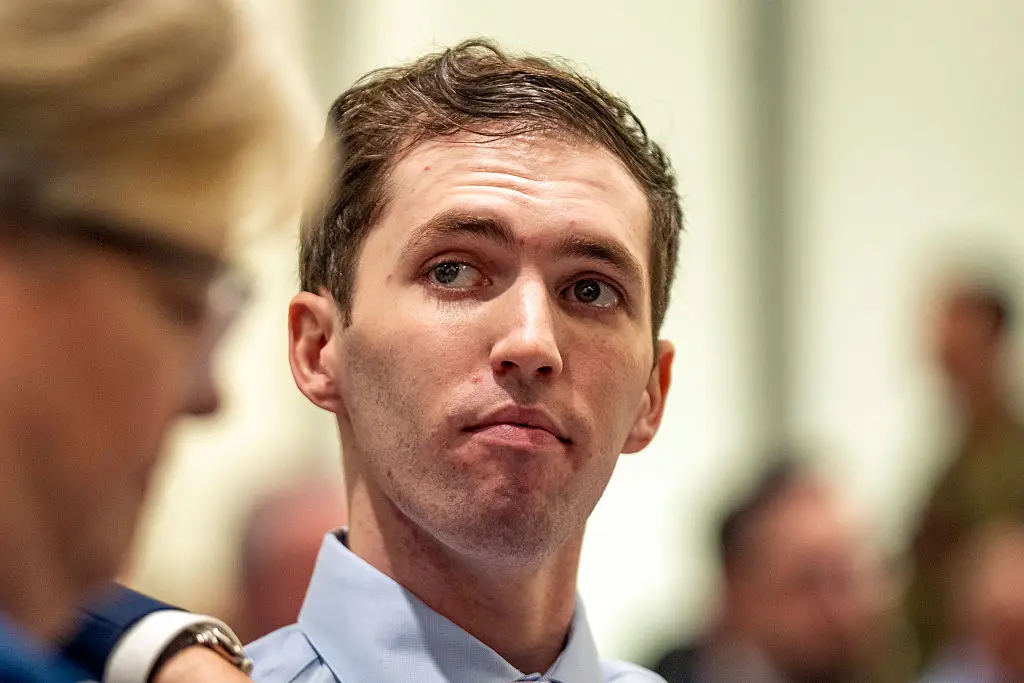
As it stands, Robinson has pleaded not guilty to seven counts that include two counts of obstruction of justice, two counts of witness tampering, commission of a violent offence in the presence of a child, felony discharge of a firearm, and aggravated murder. Kirk was shot dead while speaking at Utah Valley University on September 10, 2025.
Advert
An FBI manhunt ensued, with Robinson being arrested following surrender to authorities on September 11.
With Robinson's attorneys requesting a late 2029 trial date in order to challenge the state's request for the death penalty, Utah District Court Judge Tony Graf has now set jury selection for June 21, 2028.
Whereas the prosecution suggests the trial will last 17 weeks, Robinson's lawyers expect it to take between six and seven months.
A five-day preliminary hearing in July saw prosecutors present evidence including DNA, supposed confessions, and a taped video statement from Robinson's roommate, with prosecutor Ryan McBride arguing: "There is a mountain of evidence that proves that he is the shooter.”
Robinson's team have called this evidence and the credentials of expert witnesses into doubt.
Following Graf's announcement, Erica Kirk's lawyer, Jeffrey A Nieman, said that "a trial in the summer of 2028, three years after Charlie's assassination, does not feel very speedy to the Kirk family."
Nieman maintains that Charlie Kirk's family had "no choice but obviously to accept the schedule the court's put forward," adding: "The family has waited long enough already; they should not have to wait any longer for this."
Due to Robinson's trial still being years away, no conviction or execution method has been legally finalized. Still, in the aftermath of Christa Pike's failed lethal injection in Tennessee, there are sure to be questions about the viability of this method.
How does the lethal injection work?
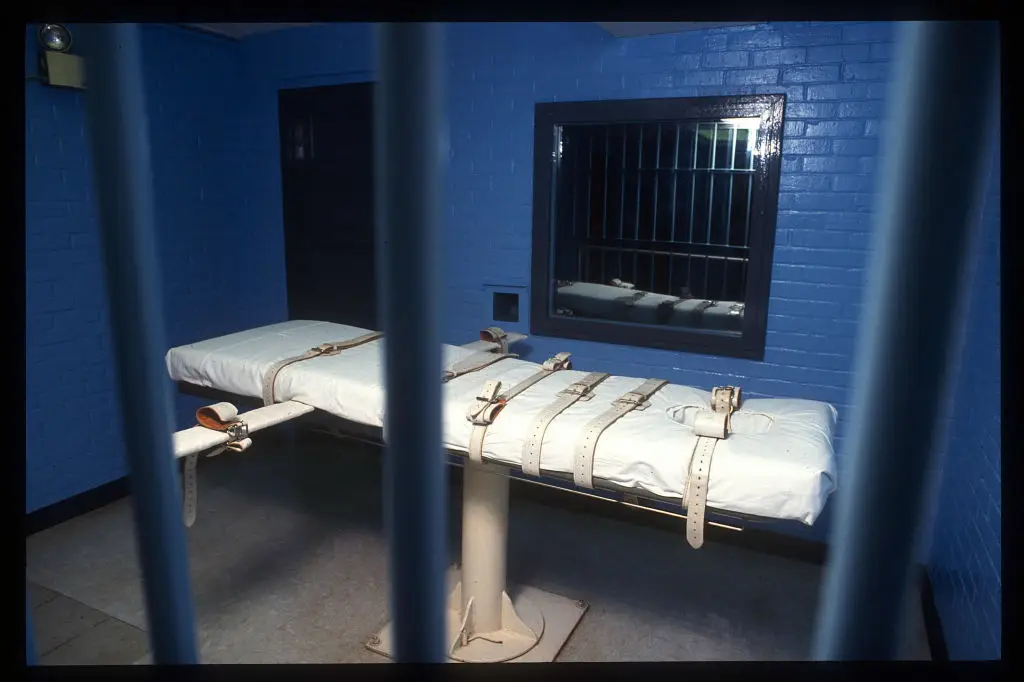
If Robinson is found guilty of aggravated murder and sentenced to death, lethal injection is the most likely method of execution. Lethal injection falls into two categories depending on jurisdiction and what's available. A multi-drug protocol typically induces deep sedation, halts respiratory function, and then stops cardiac activity. Regulatory shifts, legal challenges, and supply shortages can lead to a single-drug protocol where a high-dose sedative is administered to induce a terminal coma.
Utah has historically opted for a multi-drug protocol, but due to a nationwide shortage of the drugs required, Honie's 2024 execution used a single-drug protocol dose of pentobarbital.
In the case of Christa Pike, she was supposed to overdose on a single dose of pentobarbital, but things went wrong.
Statistics from the Death Penalty Information Center state that 3% of executions between 1890 and 2010 (276 executions out of 8,776) failed, with lethal injections being the most common. 75 of 1,052 lethal injections didn't go as planned during this 120-year period, with a 7.2% failure rate leaping ahead of lethal gas' 5.4% rate in second.
As the debate surrounding both Robinson's potential death penalty and the use of the lethal injection continues, we're still a long way off from a decision.