Why lethal injection and vein-access tech failed during Tennessee's historic execution


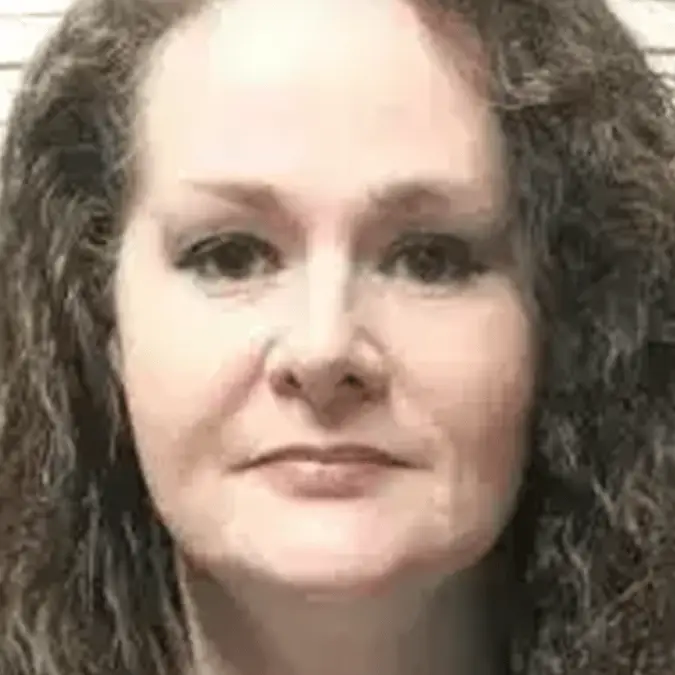
50-year-old Christa Pike was due to be the first woman to be put to death in Tennessee in over 200 years, but in a bizarre and harrowing turn, her planned lethal injection has failed.
This has led to questions about the use of lethal injections in the state and beyond.
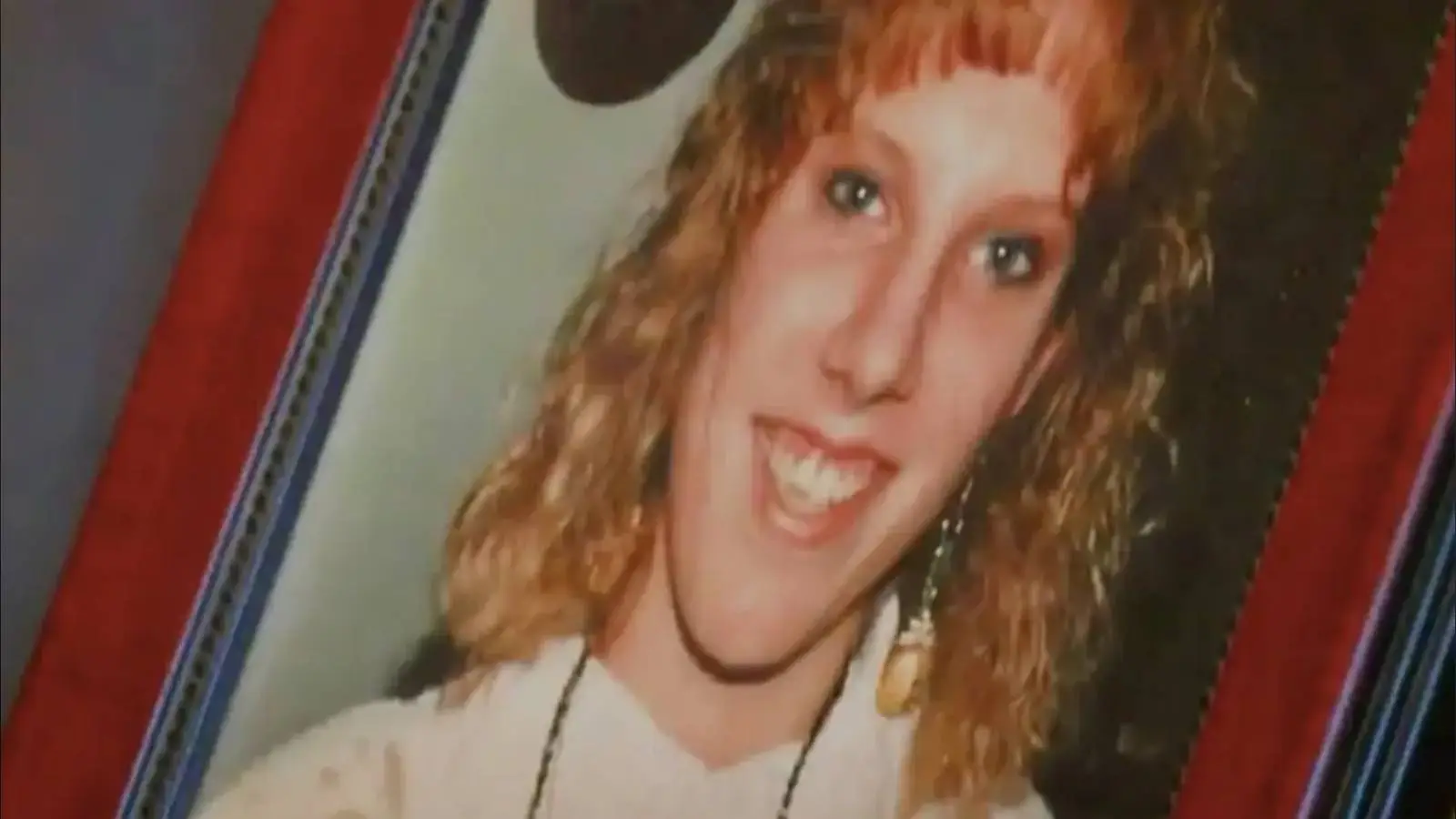
Pike has sat on death row for the past 30 years, famously convicted for the crime of murder involving 19-year-old Colleen Slemmer.
Originally arrested in 1995, Pike and then-boyfriend Tadaryl Shipp lured Slemmer to the woods with the help of their friend, Shadolla Peterson. It's said that the trio attempted to make peace with their 19-year-old Job Corps classmate, with Pike reportedly attacking Slemmer as the other two stayed lookout.
Advert
Pike was supposedly taunted and beat her for the next 30 minutes, while Shipp allegedly used a box cutter to carve a pentagram into her chest. Pike smashed Slemmer's skull with a piece of asphalt and then kept a piece of bone as a keepsake.
Pike was sentenced to death at the age of 20 in 1996, meaning she was one of the youngest women to be sentenced to death in the USA since 1972's Furman v. Georgia case.
What happened to Christa Pike's planned execution?
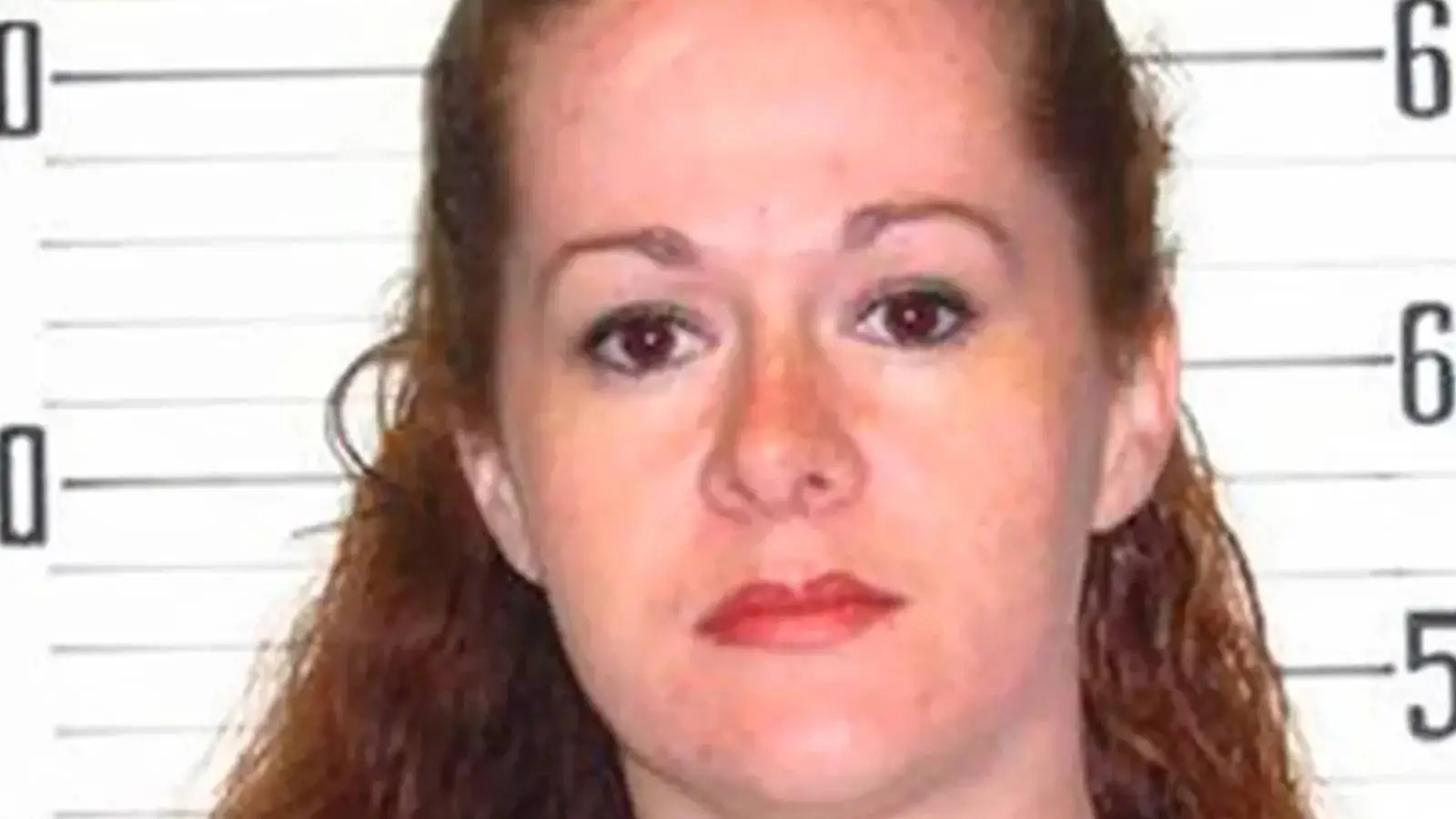
Although two syringes of pentobarbital had been administered to Pike as planned, her legal team filed an emergency motion to halt the execution in the middle of it happening.
Things unfolded at Nashville's Riverbend Maximum Security Institution at around 20:00 local time, with the AP news agency claiming the curtain to the witness room was closed twice and the media were asked to leave during an 'abnormally long' execution.
Speaking to the BBC, one of Pike's attorneys said she is now "being provided life-saving measures" in hospital. It comes after they explained: "Ms Pike has lost consciousness and still has a heartbeat and is audibly snoring."
Slemmer's mother was among those who called for Pike to get the lethal injection, but speaking to NBC News in the aftermath of the botched execution, May Martinez said: "It was a mess."
AP reiterates that Tennessee's execution protocol demands a second set of syringes in case the first doesn't work, although there's no procedure for what happens if they survive a second round.
Witnesses confirmed what they saw to ABC News, with one saying: "Nothing we saw was normal."
AP's Kim Chandler has witnessed many executions, but this was her first in Tennessee.
Giving her version of events, Chandler added: "I would say that Pike appeared noticeably awake as the execution began...The blinds were closed for the first time to the execution chamber at 7:46pm, they opened again at 7:49pm.
"Her mouth fell open a few times, and she began to loudly snore. She gasped a few times. The curtain to the execution chamber closed for the final time at 8:06pm, and she could be heard loudly snoring, clearly very alive, in the chamber until media witnesses were told to leave the area at about 8:53pm."
Following the emergency motion from Pike's team, her execution was stayed, and she was provided medical care as District Judge Clifton L. Corker noted that "medical personnel have begun to administer medical care as requested in the motion."
Dr Joel Zivot, a professor at the Emory University School of Medicine, had been retained by Pike's legal team as a medical expert. According to Zivot, he thinks Pike didn't achieve a sufficient blood level of pentobarbital, meaning the doses didn't cause the apnoea and cardiovascular failure needed during a planned execution.
Zivot concluded: "It's very possible that as a consequence of the delay of the beginning of resuscitation she will have a brain injury."
Pike's team had previously called the procedure 'torturous', saying that "small veins" and other conditions would make the lethal injection difficult.
What's next for Christa Pike?
Speaking to The Tennessean, Pike's legal team reiterated: "Tonight the State of Tennessee once again failed to carry out a lawful execution.
"We take no pleasure in being right, but the concerns raised by Ms Pike proved to be true: difficult vein access, blown veins, degraded pentobarbital, no emergency medical care available when things inevitably go wrong, all under a protocol that remains veiled in secrecy."
Tennessee Governor Bill Lee has ordered "a comprehensive, third-party review to determine exactly what occurred."
We're reminded that this isn't Tennessee's first problematic lethal injection this year. In May 2026, the execution of convicted kidnapper and murderer Tony Carruthers was halted because staff weren't able to find a vein to administer the pentobarbital
2026 was due to have one more lethal injection, although Lee says it won't go ahead.
Still, the Tennessee Department of Correction is adamant it followed correct protocol during Pike's failed execution: "The Tennessee Department of Correction followed every step of the State's lawful, established execution protocol approved by the Attorney General's Office.
"The lethal injection chemical in the protocol has consistently been effective, and the protocol does not allow for additional procedures beyond what was carried out this evening. Christa Pike has been transported to an off-site medical facility."
According to the Death Penalty Information Centre, lethal injection has the highest rate of failure, and in a 2022 annual review, it was decreed that 35% of 20 execution attempts that year were "visibly problematic."
There's no further information on Pike's current condition.