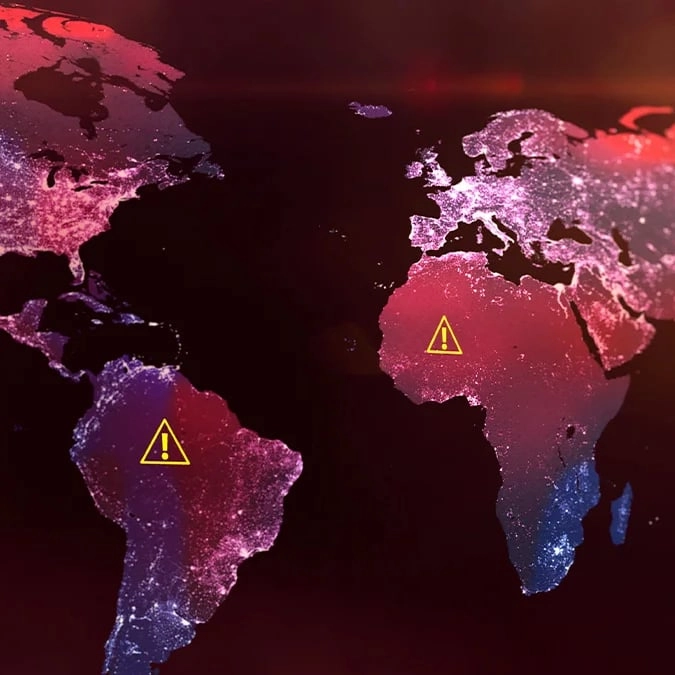
Super El Niño could trigger ‘pandemic-scale’ death toll as scientists warn of 500,000 heat-related deaths in 2027


Scientists have issued a stark warning about the possible consequences of a Super El Niño, with hundreds of thousands of people potentially at risk of dying from extreme heat alone.
The weather phenomenon, which is expected to develop across this year and the next, could have devastating consequences for communities around the world, with experts warning that its impact could extend well beyond rising temperatures.
According to a report by The Telegraph, one epidemiologist has gone as far as to describe the predicted death toll as being on a scale comparable to a global pandemic, urging health authorities to take the threat seriously.
Dr Colin Carlson, who is an assistant professor of epidemiology at Yale University, said the 2026-27 El Niño could cause ‘pandemic-scale mortality’, warning that the consequences could be even deadlier than the 2009 swine flu pandemic, which is estimated to have killed around 284,000 people globally.
Advert
What is El Niño and why are scientists concerned?
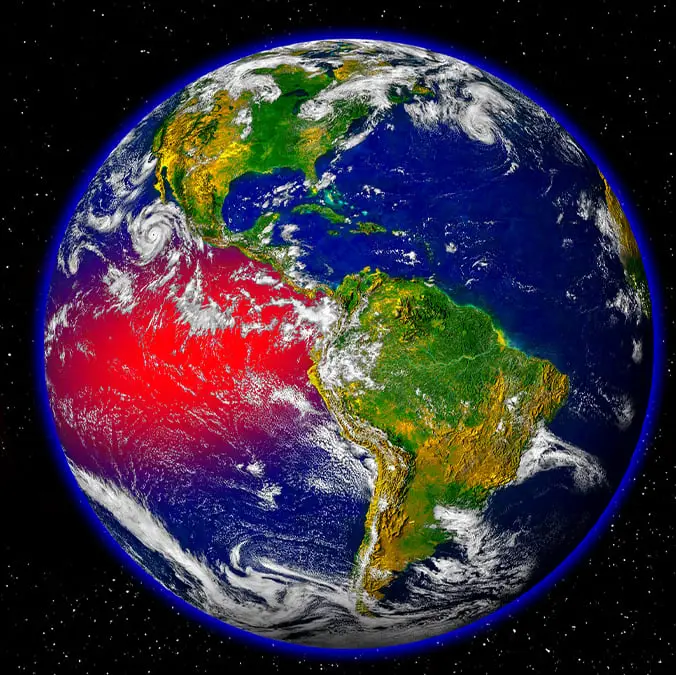
An El Niño is a naturally occurring climate pattern that develops when surface waters in the central and eastern Pacific Ocean become unusually warm, but while this happens periodically, scientists are concerned about the intensity of the event expected by the end of 2026 and 2027.
Knock-on effects can impact weather around the world, including the shifting of rainfall patterns, leading to floods and droughts in certain areas.
Back in 1877, the world suffered one of the deadliest climate disasters in recorded history when a massive El Niño event disrupted weather patterns across huge parts of the world.
This caused extreme drought in countries including India, China, Brazil and regions of Africa, with crops failing on a huge scale, rivers dried up and food shortages spiralled into famine.
Nearly half a million deaths could be linked to extreme heat
Now, the experts are fearing a similar situation, with modelling suggesting that the current El Niño could contribute to as many as 451,000 additional heat-related deaths between June 2026 and February 2027.
The World Meteorological Organization (WMO) has also raised concerns about the months ahead, with its latest climate update finding that the past four years have been the warmest on record.
It went on to warn that this El Niño could bring further extreme heat and disruptive weather conditions well into 2027.
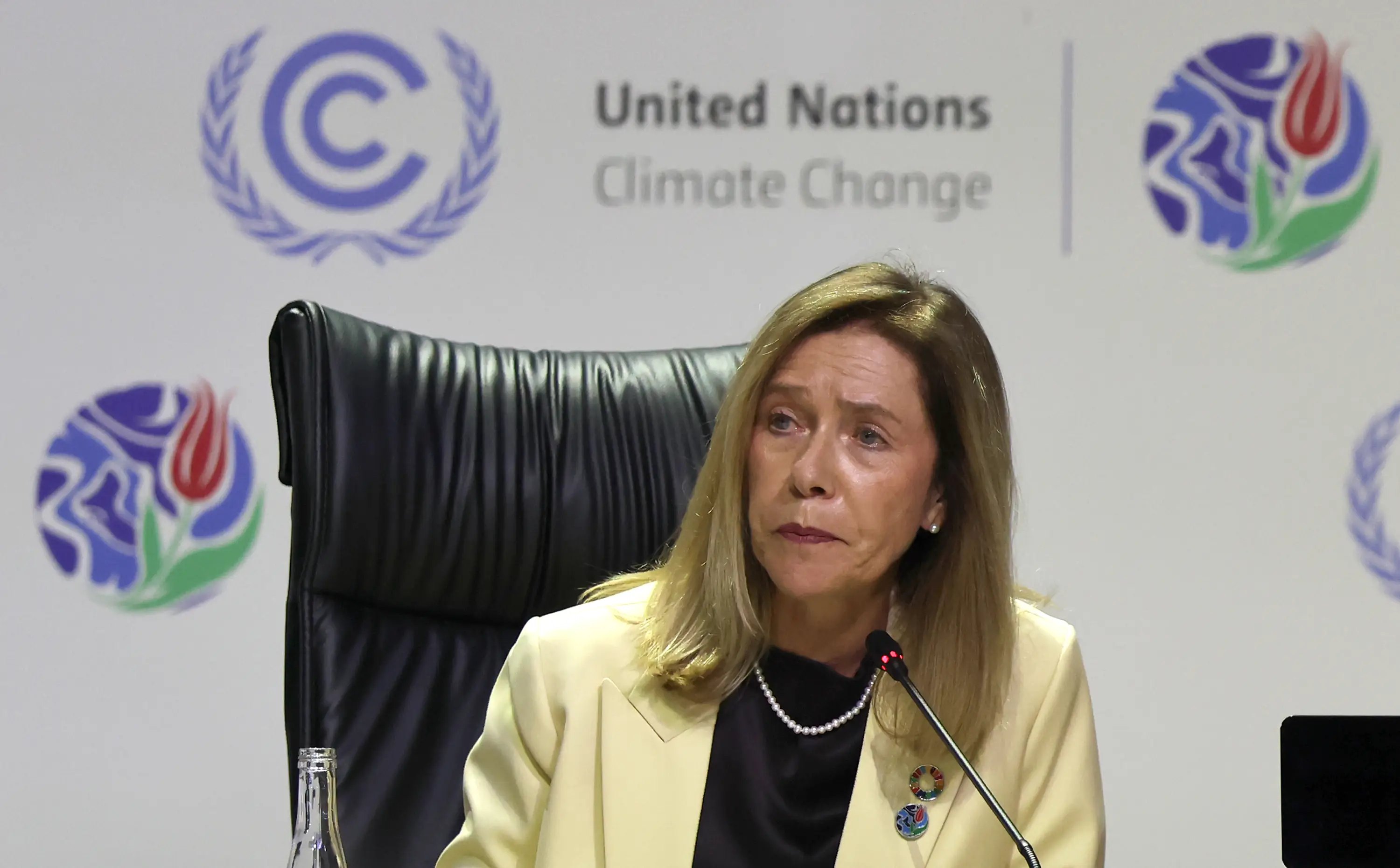
WMO secretary-general Celeste Saulo explained that the phenomenon does not actually create additional heat, but instead releases heat stored in the ocean, but with ocean temperatures already at record levels, she warned there was considerably more heat available to influence global weather patterns.