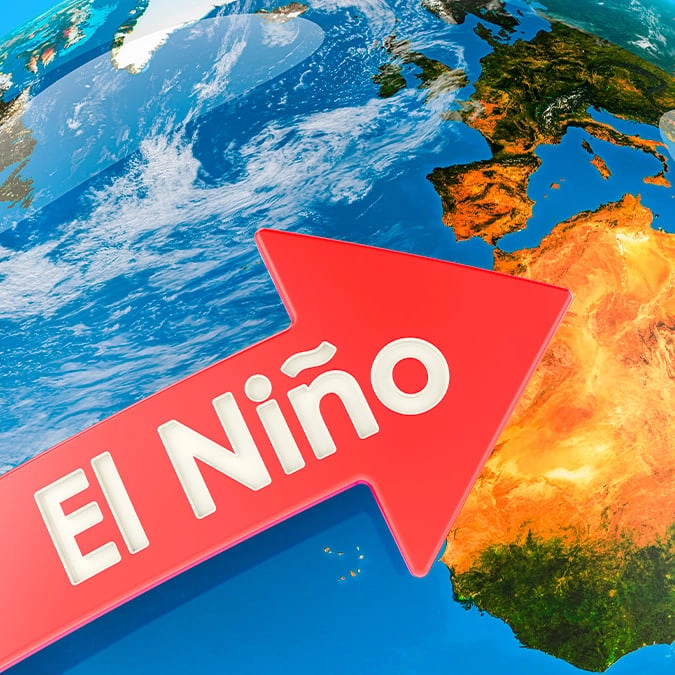
WMO issues El Niño update warning of extreme weather risks into 2027


A new update about the current El Niño has now been issued with the World Meteorological Organization (WMO) warning about the increase in severe weather risks for next year.
The agency announced that the El Niño we’re experiencing is now firmly established and is expected to intensify further into a ‘very strong event in the coming months’.
This will make a major impact on the likes of rainfall and temperature patterns, which could result in the serious risk floods, drought and extreme heat.
UN Secretary-General António Guterres said: “El Niño is being supersized before our eyes. The science leaves no room for doubt: the planet is in uncharted waters, and those waters are heating up. Sea surface temperatures are rising, temperatures keep climbing, and the world is in the danger zone of extreme weather. The race now is between rising risks and our commitment to take climate action and protect people. We must win that race.”
Advert
Meanwhile, WMO Secretary-General Celeste Saulo added: “We are already seeing disruption and devastation from droughts and floods and we expect these impacts to increase as El Niño intensifies.
“This exceptional El Niño demands exceptional preparation and response. Never before in the 50-year history of the World Meteorological Organization have we launched such a major mobilization with National Meteorological and Hydrological Services who are on the frontline of delivering the forecasts and services to save lives and livelihoods.”
Will we see a ‘super El Niño’ in 2027?
As the weather pattern continues to worsen, we face the risk of it developing into a super El Niño, which could have disastrous impacts in communities across the globe.
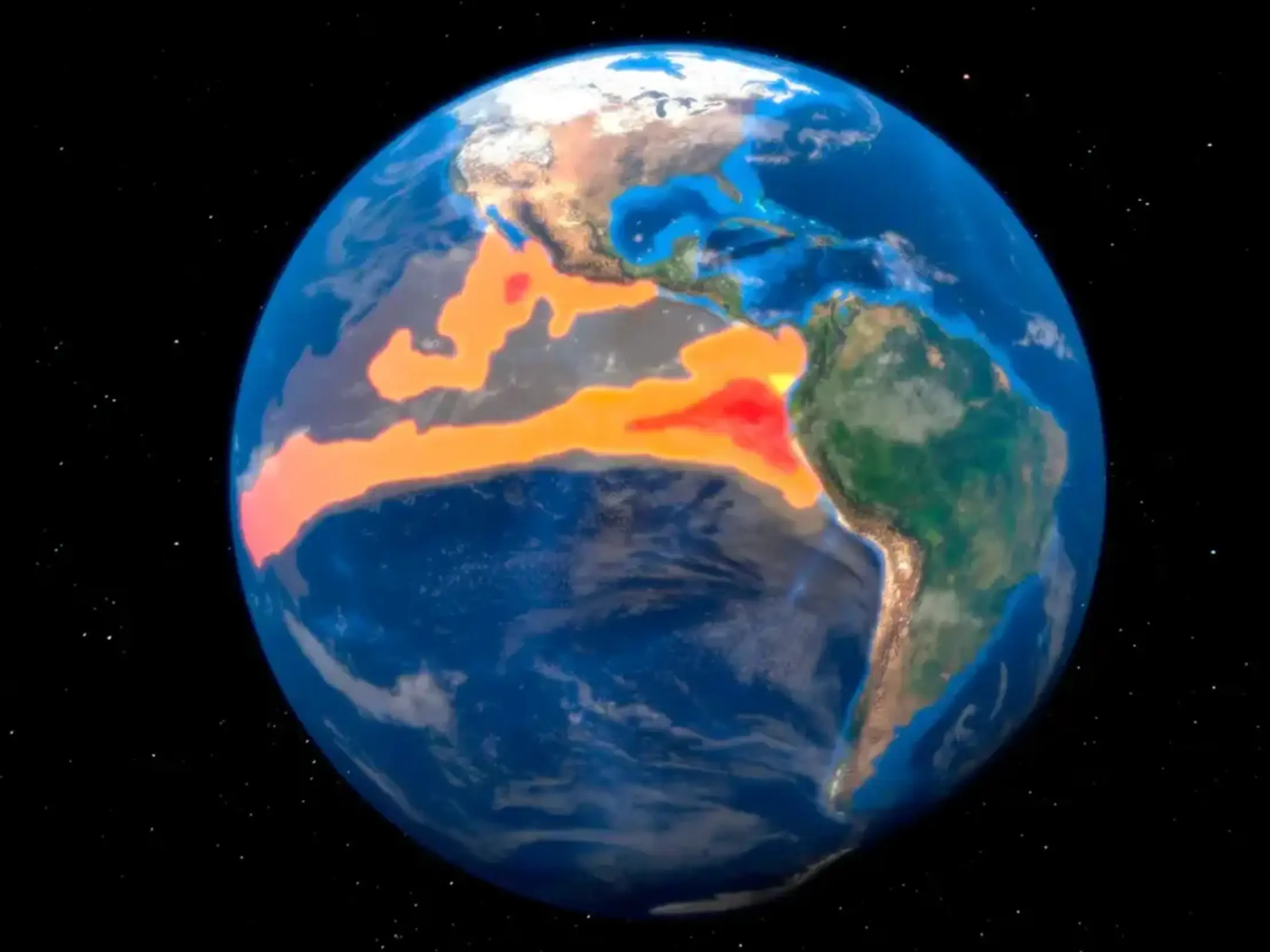
According to the WMO, one of the tell-tale signs of an El Niño is the sea surface temperatures across the central-eastern equatorial Pacific climbing to well above average, which is the current reality for the region.
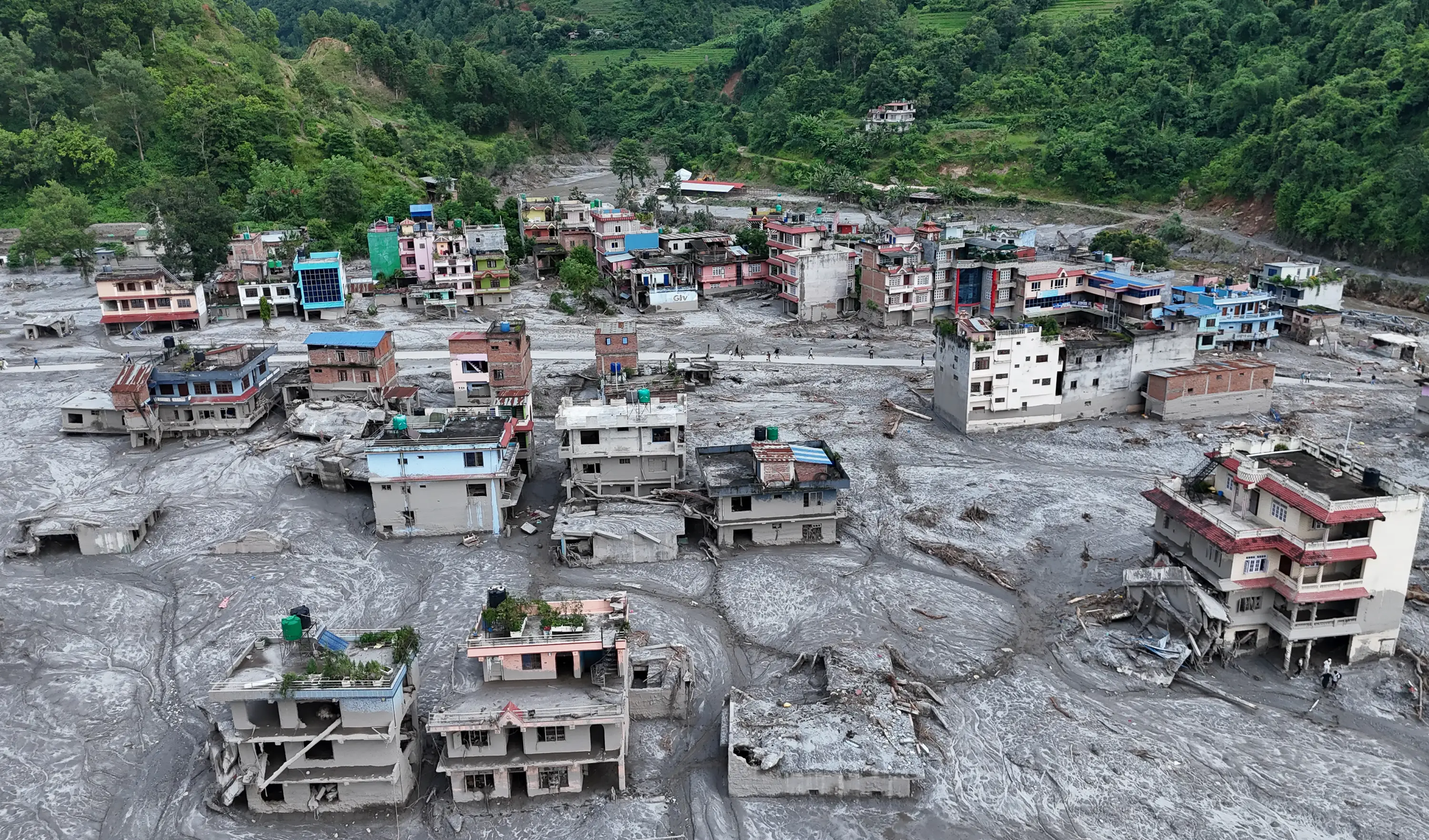
This means, we could be set to see even more extreme weather events unfold in the coming months and into 2027.
Saulo continued: “WMO is committed to working closely with partners across the United Nations and humanitarian system to provide the climate intelligence and insights needed to support disaster management and climate-sensitive sectors like agriculture, health, energy and water resources. We have no time to lose.”
The WMO and its partners are continuing to closely monitor the evolution of the El Niño and are providing regular update forecasts of its likely regional impacts.