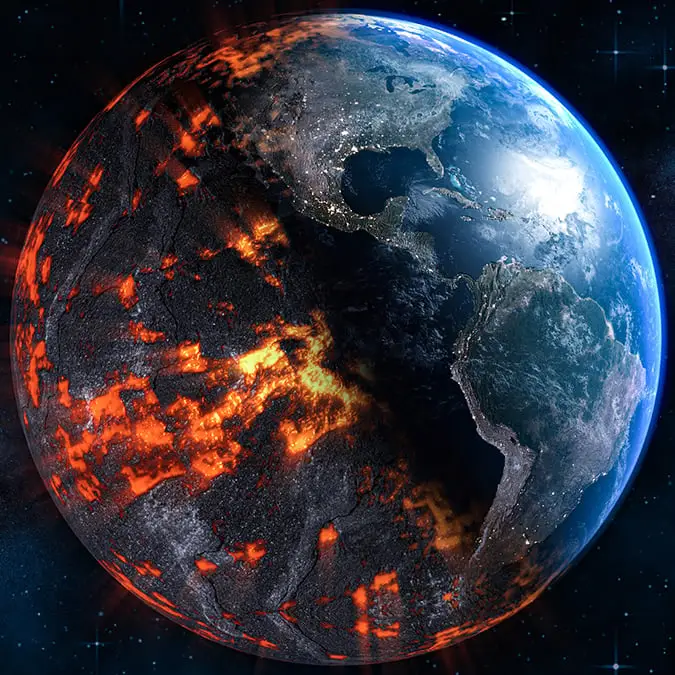
El Niño could cause up to half a million deaths as scientists say it's on track to be largest in 1,000 years


Experts are warning that as the effects of the current El Niño worsen, nearly half a million people could end up losing their lives.
This comes as projections suggest that this could become the largest El Niño the world has experienced in 1,000 years, and further deaths are anticipated from droughts, wildfires and flooding.
A report published in the Climate Impact Lab reported that 451,000 lives are at risk as scientists project that ‘global land temperatures will be 1.2°C/2.1° F above normal in the coming months due in large part to the current “Super El Niño” that began in June and is expected to last through Northern Hemisphere spring’.
The report continues: “These anomalously warm conditions will resemble the higher temperatures that climate change is projected to deliver 20 years in the future (figure below) and will lead to 44% more extremely hot days than we would expect in a normal year. El Niño is effectively pushing us into the future – exposing us to temperatures that won’t be the norm for another two decades – before we have time to adapt and protect ourselves.”
Advert
According to a report by the Guardian, Professor Michael Greenstone, co-founder of the Climate Impact Lab and at the University of Chicago, who co-authored the report, said: “The estimate of 451,000 people is such a large number that it can be numbing, but it is made up of parents and children, grandparents and neighbours, people going to work, caring for families, and living their lives.”
The report goes on to warn that around 451,000 could be lost due to heat within the ‘first nine months’ of the El Niño, as it goes on to add: “With current forecasts suggesting El Niño will remain in place through spring 2027, we expect all of these numbers to grow even higher, particularly as impacts such as higher-than-average temperatures and heat-related deaths will linger into June and July.”
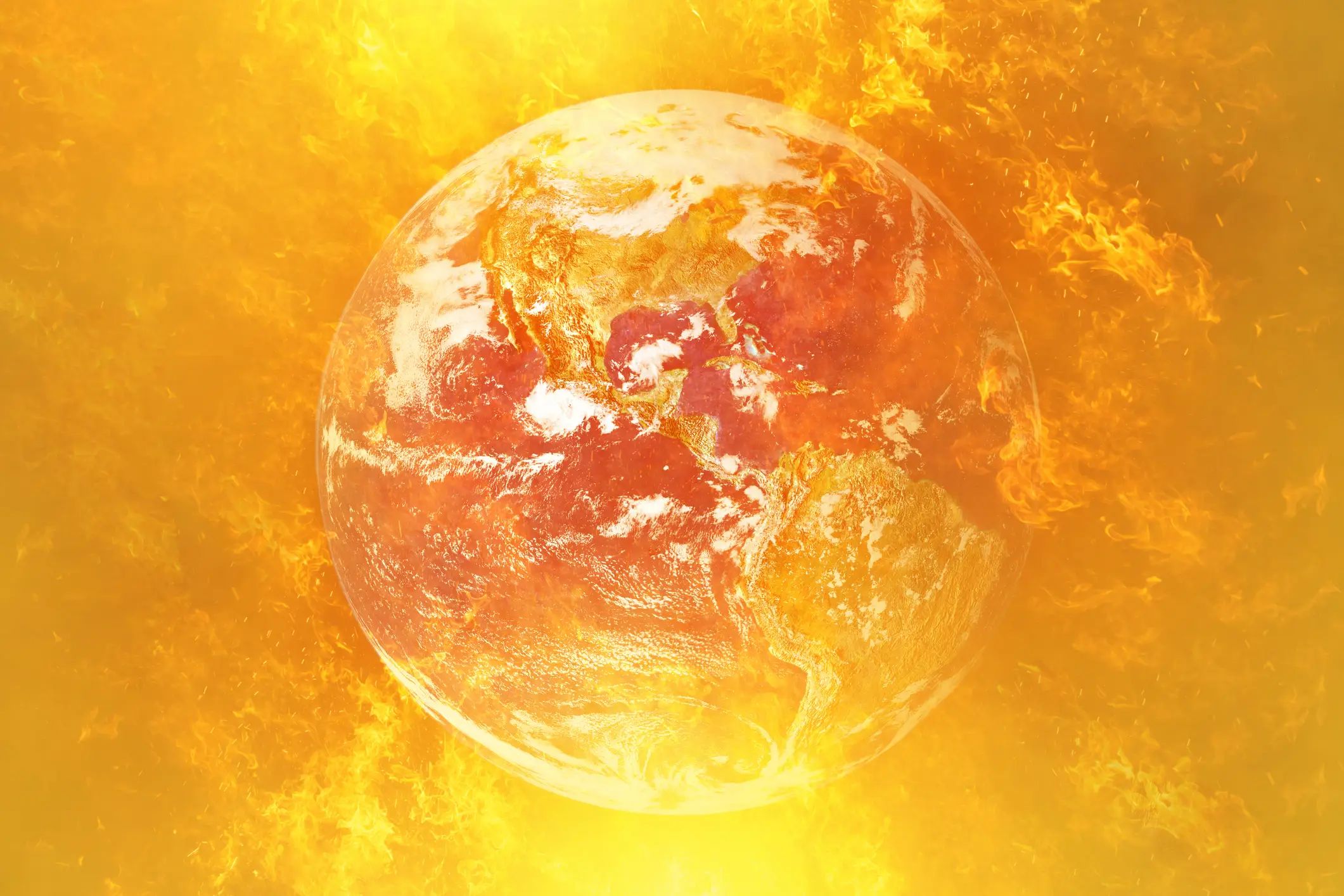
What triggers the weather event into a ‘Super El Niño’?
A Super El Niño is essentially an unusually powerful El Niño, where strong atmospheric effects are triggered by the warming temperatures in the tropical Pacific Ocean.
This leads to knock-on effects with weather globally, including the shifting of rainfall patterns, leading to floods and droughts in certain areas.
Back in 1877, the world suffered one of the deadliest climate disasters in recorded history when a massive El Niño event disrupted weather patterns across huge parts of the world.
This caused extreme drought in countries including India, China, Brazil and regions of Africa, with crops failing on a huge scale, rivers dried up and food shortages spiralled into famine.