As California overhauls 548 death sentences we look at when forensic evidence gets it wrong


Warning: This article contains discussions that some readers might find disturbing
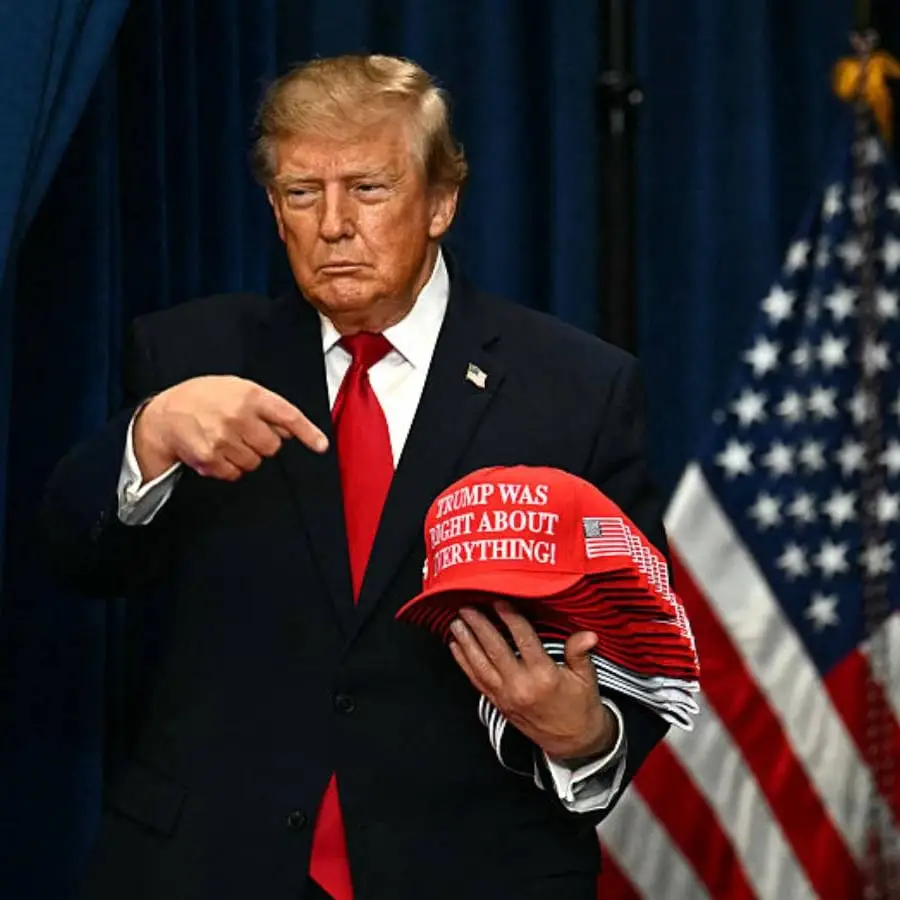
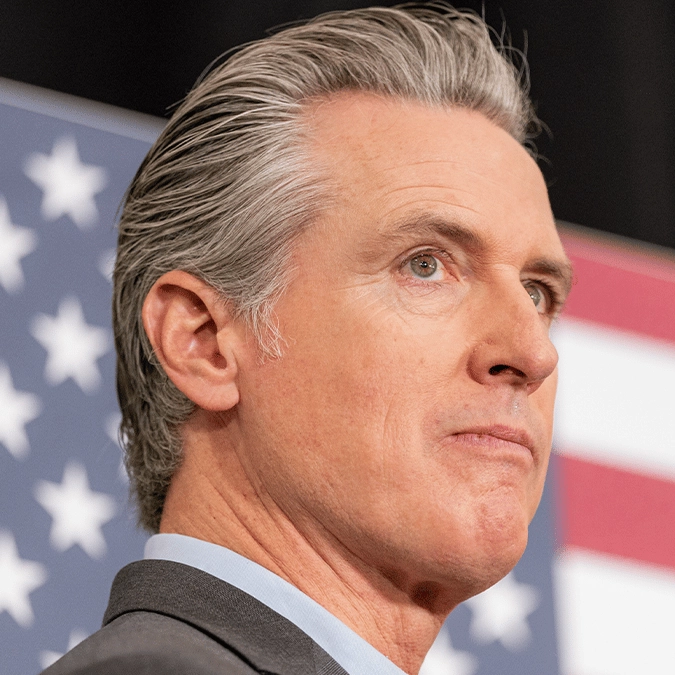
Following the Republican Party's crushing defeat at the 2026 midterms, the race is on to find our next President of the United States, with plenty of names being thrown around. One of them is California's Governor Gavin Newsom, who you might know from his many clashes with Donald Trump and being branded 'Newscum' by the POTUS.
The California governor is in the news for a very different reason this time around: commuting the sentences of all 548 inmates currently on death row.
But as Gavin Newsom transfers their death sentences to life in prison, there are questions about how forensic evidence was used to put many innocent parties around the world there in the first place.
Why is Gavin Newsom changing California's death penalty rules?
Advert
California hasn't executed a death row inmate since 2006, and in October 2026, official California Department of Corrections and Rehabilitation records showed there were 563 inmates awaiting execution in the state. This is the lowest it has been since 2011.
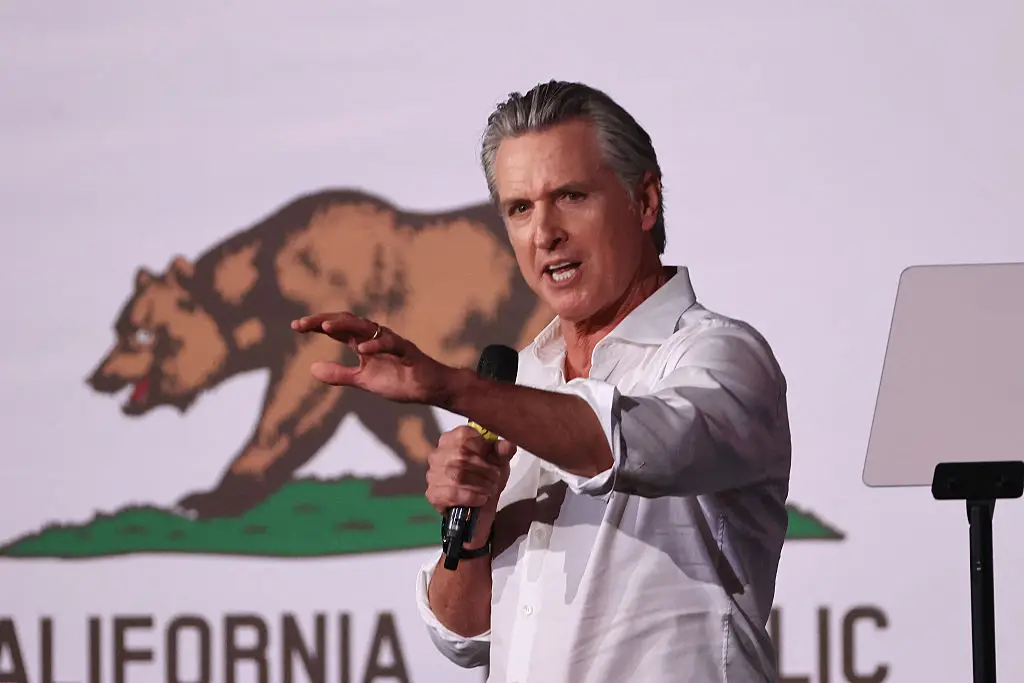
Now, Newsom has written a letter explaining why he's using his constitutional clemency authority to commute the sentences of all 548 death row inmates to life without the possibility of parole.
In his letter, Newsom wrote: "We can now let these offenders die in obscurity while we forever remember and honour the victims."
Although his term is limited and he’s in his final months of office, Newsom is looking to make this sweeping change in the aftermath of Christa Pike's failed execution in Tennessee and larger questions about the use of the death penalty in the United States.
There's been further debate about US Defense Secretary Pete Hegseth announcing plans to livestream the firing-squad execution of Nidal Hasan, and although his execution is still set for December 3, President Trump has confirmed it won't be livestreamed.
As for California, it has historically had the largest population of death row inmates.
Saying he's been in public office for nearly 30 years, Newsom added: "I take this action because I firmly believe that state-sanctioned killing is incompatible with California's values, undermines the foundations of our legal system and diminishes each of us."
While Newsom said he understands that many Californians feel those who commit crimes worthy of death row deserve to die, "the state cannot morally kill them."
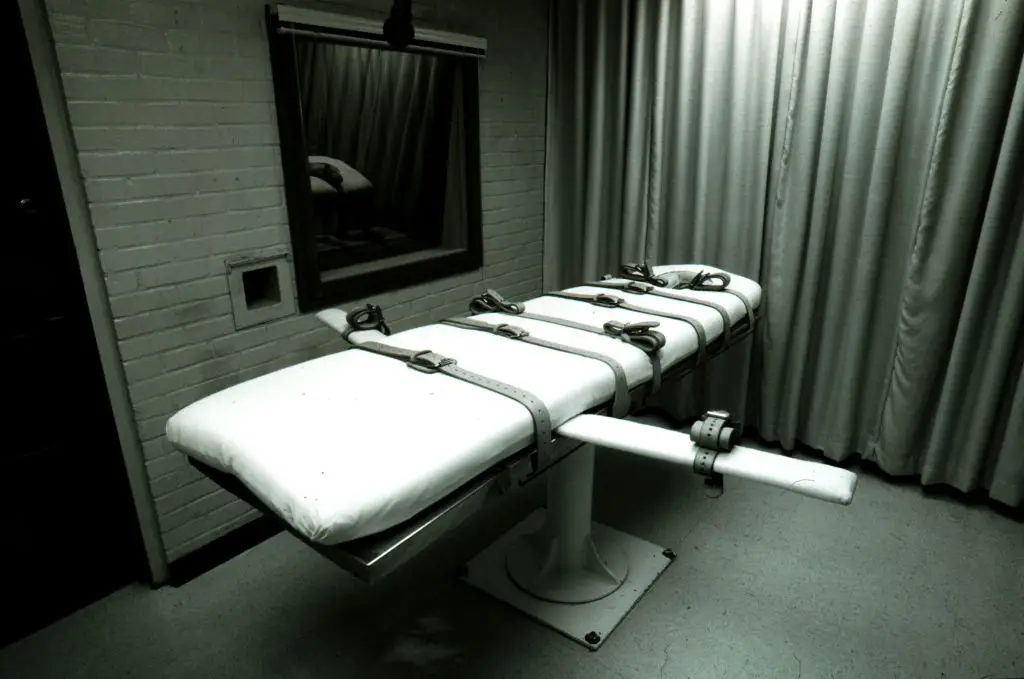
Data from Amnesty International and the Death Penalty Information Center suggest that 17 countries actively carried out executions in 2025, although 55 to 57 still enforce the death penalty. In the USA, the death penalty is currently legal in 27 states, 21 actively carry it out, and there are governor-issued pauses on executions in California, Ohio, Oregon, and Pennsylvania. But what about the science behind some of these convictions?
The truth of forensic DNA
While forensic DNA is undoubtedly useful in convicting guilty parties, it's not the watertight evidence we're sometimes led to believe. After all, this isn't Minority Report where precogs can predict a murder before it takes place.
As The Guardian reminds us, there are numerous cases of people being falsely imprisoned based on DNA evidence. The case of David Butler highlights this in the United Kingdom, spending eight months on remand and eventually being acquitted in 2011 after he was connected to the 2005 murder of a woman called Anne Marie Foy. The prosecution's case relied heavily on a mixed partial DNA profile that was found on Foy's fingernails, cardigan buttons, and a leg bandage. As Butler suffered from a skin condition that caused him to shed at a higher rate than an average person, the defense argued that his job as a taxi driver could've easily led to a DNA transfer between him and the victim via money or passengers.
Speaking to The Guardian, Ruth Morgan, the director of the Centre for the Forensic Sciences at University College London, reminded us that it's not always an open-and-shut case, adding: "You do see an assumption being made that a DNA profile is evidence of contact – case closed – whereas it is actually a lot more complicated than that. We are only beginning to realise quite how complex it is.”
In the United States, the famous case of Lukis Anderson saw a homeless man charged with the murder of Silicon Valley multimillionaire Raveesh Kumra. Anderson was wrongly implicated due to secondary transfer of his DNA by paramedics at the scene of the murder, while it was later proved he'd been in hospital at the time of Kumra's death.
The case was even presented to the annual American Academy of Forensic Sciences meeting in Las Vegas, used as an example of forensic evidence implicating an innocent person.
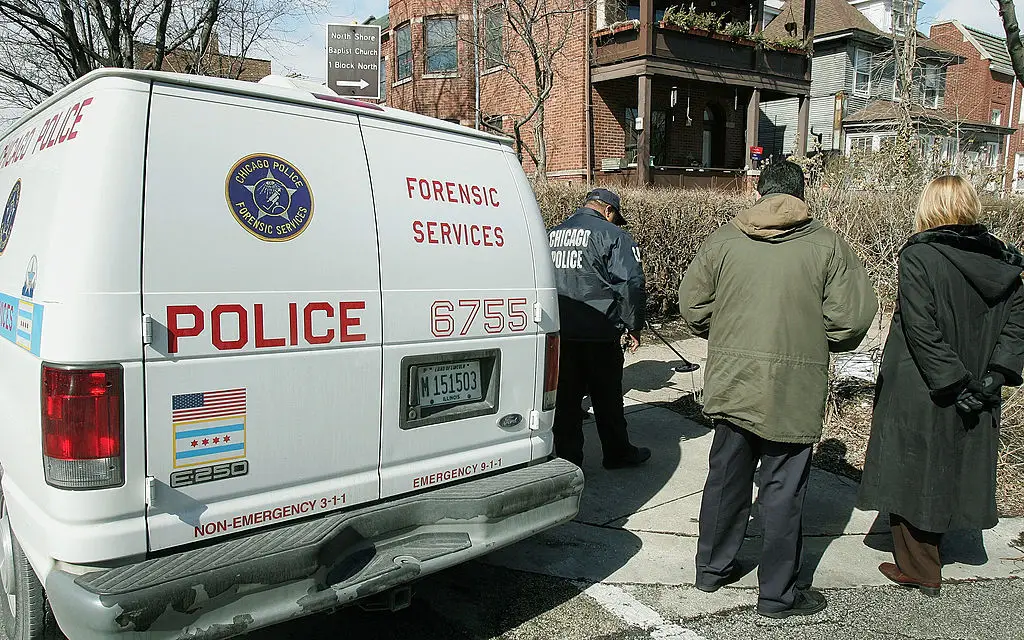
The FBI put the nail in the coffin of 'hair comparison evidence' in 2013, partnering with the Department of Justice, Innocence Project, and the National Association of Criminal Defense Lawyers to launch a comprehensive review of decades of controversial convictions.
According to the National Registry of Exonerations, at least 129 confirmed wrongful convictions are due to flawed microscopic hair comparison analysis.
While not all linked to forensic evidence, the National Registry of Exonerations' banner states that there have been 3,871 exonerations and over 36,226 years lost since 1989 alone.
Sue Pope is a DNA expert who worked on the Butler case, reiterating that an independent validation of software for DNA analysis is vital: "A courtroom setting is not the best place for looking at really detailed questions about how statistics have been done."
Even as technology advances and becomes more reliable, Pope concludes that it “tells you something about the potential source of the DNA, but nothing at all about the activity involved in the DNA coming to be where it was found."
While we're not here to argue about the potential innocence of death row inmates or whether any of those having their sentences commuted in California are innocent, there are numerous examples of when science has got it wrong before.