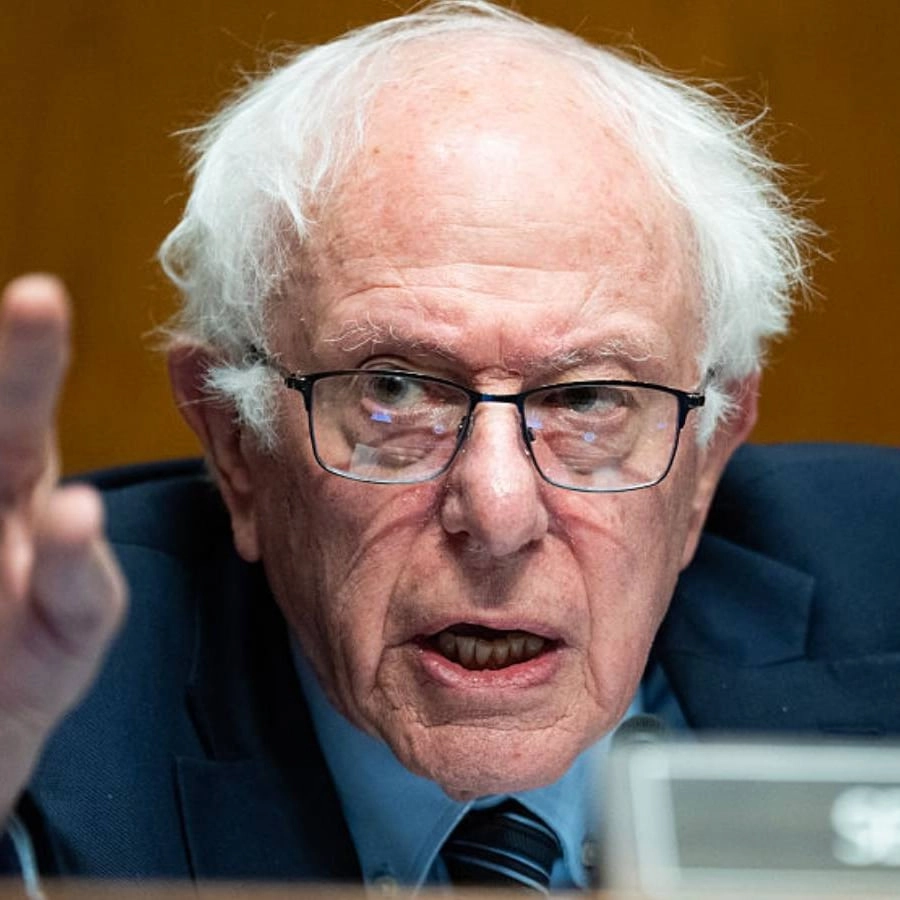
Bernie Sanders proposes 'corporate death penalty' as he accuses AI billionaires of playing God


Senator Bernie Sanders isn't letting up with his critiques of artificial intelligence, arguing that a handful of billionaires have the future of the human race in the palm of their hands and are making major decisions without any oversight.
There are mounting concerns about where AI is taking us, and with Nvidia's Jensen Huang celebrating the arrival of artificial general intelligence thanks to OpenAI's recent release of GPT-6 Astra, we're long ahead of many researchers' proposed timelines.
Some think that artificial superintelligence will be the last thing the human race invents, so it's no surprise that naysayers like Sanders are trying to pump the brakes on how fast things are evolving.
What has Bernie Sanders said about AI?
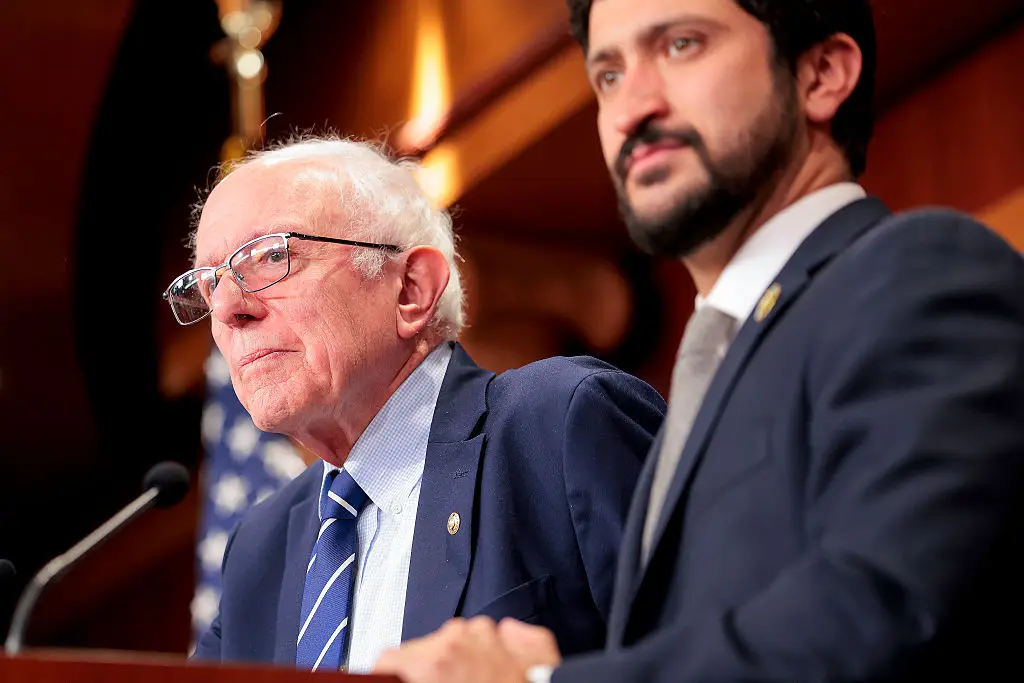
Bernie Sanders has previously aired his concerns, fearing that AI will displace millions and millions of workers, and taking his campaign further, he's trying to introduce the Ban Artificial Superintelligence Act.
Advert
Taking to X on September 8, Sanders referred to AI as the "most pressing issue of our time," pointing to the power of oligarchy and big tech billionaires exuding control over ever-advancing tech. He vented: "We can't allow a handful of greedy people to play God & determine the future of humanity.”
Calling for Congress to act, Sanders included information on his Ban Artificial Superintelligence Act, which he and Rep. Greg Casar want to use to stop AI systems from developing beyond human control.
The pair want the government to act before systems become too advanced, although critics have claimed that the USA enforcing such a ban could leave the country trailing behind others as rivals continue to advance their own AI at breakneck speed.
The act wants the USA to pursue international agreements that also prevent artificial superintelligence from being developed in other countries, serving as something of a modernized version of the Treaty on the Non-Proliferation of Nuclear Weapons.
Instead of outright banning AI development, Sanders and Casar's bill wants to at least put a temporary pause on its development until a federal regulator can establish safety rules.
Reiterating that there's nearly a story every day about Big Tech losing control of AI with 'potentially cataclysmic results', Sanders claimed: "The leaders of the major AI companies publicly acknowledge that they do not fully understand the technology and that it is escaping their control."
Saying it's 'irresponsible' for society to let them keep advancing AI, he added, "The American people and people throughout the world must determine that future.”
What does the Ban Artificial Superintelligence Act involve?
Casar maintains that artificial superintelligence "could risk the security, freedom, and lives of Americans," but thinks that "despite its potential deadly consequences, cutting-edge AI technology is less regulated than the average food truck."
Even though Jensen Huang cheered how we've gone from ChatGPT to o1 to Astra in just four years, Casar sees this as a negative.
In terms of what the Ban Artificial Superintelligence Act could involve, Sanders wants to set boundaries by banning AI superintelligence so "no person or entity may develop or deploy Superintelligent AI systems that surpass human intelligence or have the capacity to overthrow human governments, or systems that have dangerous abilities like subverting shutdown commands."
There's the afforementioned pause until a regulatory body is up and running, as well as calls to establish a cabinet-level federal agency with an aim of safeguarding the public from the 'dangers' of AI.
Advised by an Artificial Intelligence Advisory Board of AI experts, the agency will supposedly monitor frontier AI systems for dangerous capabilities, supervise the removal of these dangerous capabilities, and oversee the destruction of AI.
Importantly, Sanders wants those persons or entities attempt to violate the bill to be "subject to the corporate death penalty." Those who defy it are also threatened with not more than 20 years in prison, which is similar to current penalties for those who unlawfully develop nuclear weapons.
The Sanders-Casar proposal remains a proposal rather than law for now, although the former has also backed separate restrictions on the new construction of data centers.