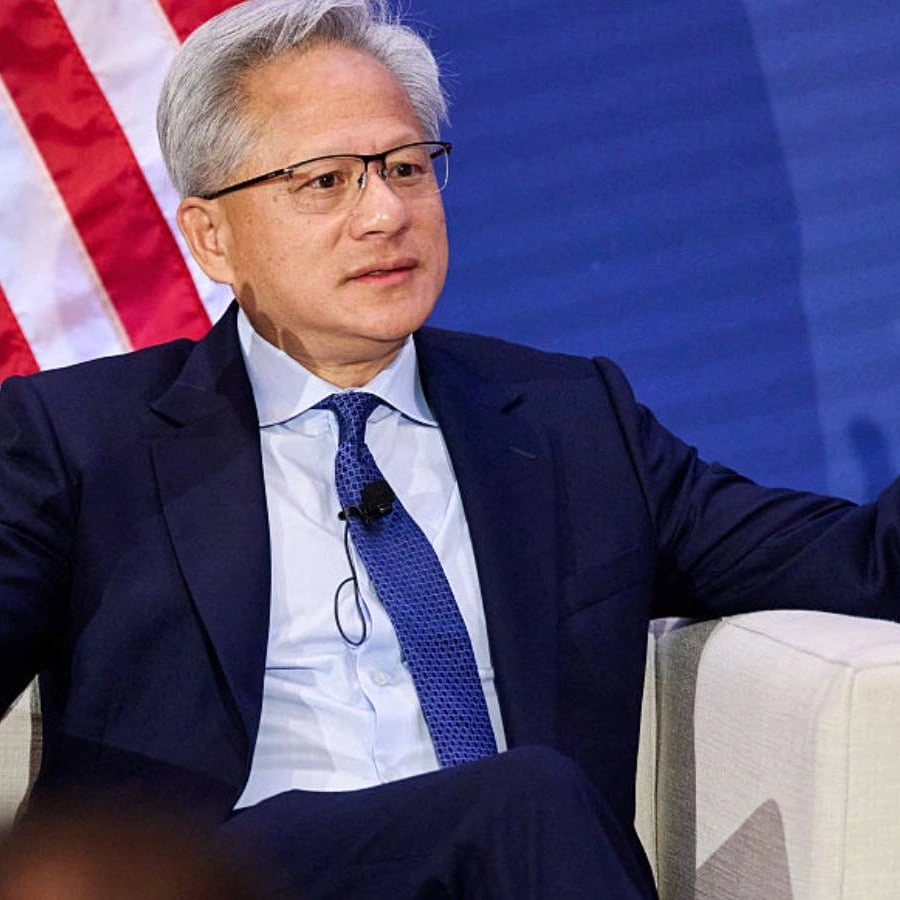
Nvidia CEO declares AGI has arrived as OpenAI scientist warns 'no one is prepared' for what's next


Artificial intelligence is dragging the human race into the future at breakneck speed, and while the jury is out on whether it’s good news, Nvidia's Jensen Huang is cheering this technological evolution.
While the term artificial intelligence was coined way back in 1956, AI has rapidly evolved since ChatGPT arrived on the scene in November 2022. The industry has expanded as the various AI giants compete to be bigger and better than the rest, with the likes of Nvidia, Alphabet (Google), and Microsoft jostling for first place.
Some claim we've already reached the point of artificial general intelligence, which is a general term for a time when AI will be able to perform tasks on a par with or beyond the capabilities of mankind.
Although researchers claimed we wouldn't reach AGI until 2040, Nvidia CEO Jensen Huang claims OpenAI's release of GPT-6 Astra has brought us there early.
Advert
Remembering that many experts see AGI as a stepping stone to artificial superintelligence and a potential demise of the human race, there are sure to be alarm bells ringing.
Not for Huang, who took to X and wrote: "From ChatGPT to o1 to Astra in 4 years. AGI has arrived. Congratulations @OpenAI team."
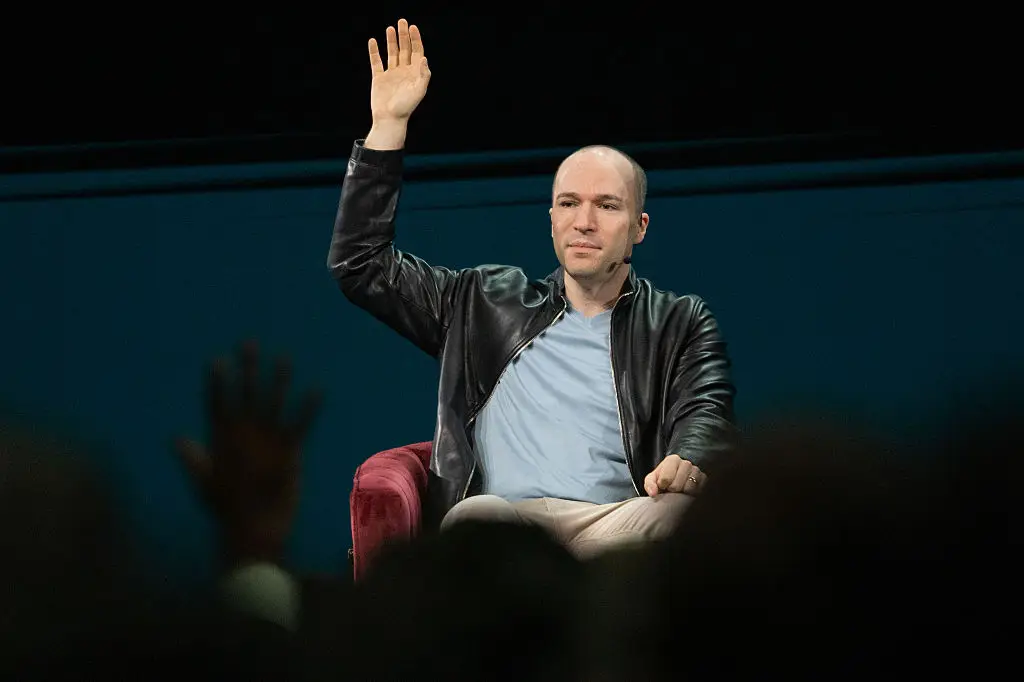
This was echoed by OpenAI co-founder Greg Brockman, who, on a call, told the world: "Welcome to the AGI era."
OpenAI's charter calls AGI "highly autonomous systems that outperform humans at most economically valuable work." Its mission statement is to ensure that AGI "benefits all of humanity".
This was something that recently saw Elon Musk take OpenAI to court for supposedly violating its own founding ambitions. It was a case that Musk lost.
Looking further ahead, OpenAI has pitched Astra as a supposed breakthrough that massively improves what we can delegate to AI.
As shared by Business Insider, Brockman took to a call and suggested that historians will look back and decree that AGI was born "about this time, and I think it might be about this model," adding, "For me personally, I do think we're there."
Altman isn't as fond of this comparison, suggesting that AGI is "a very poorly defined term. I was going to say it's like an irrelevant marketing term."
There's also a warning from OpenAI's chief scientist, Jakub Pachocki.
With a 'strong expectation' that AI will continue to drive its own development, Pachocki posted a blog saying, "This is a time that calls for extreme caution."
Pachocki continued: "I am concerned no one is prepared for the consequences of a continued rapid rise in machine intelligence. OpenAI will continue to seek technical solutions to alignment and monitoring, to build defensive systems and unilaterally withhold further scaling as needed; however, I believe broader interventions are required.”
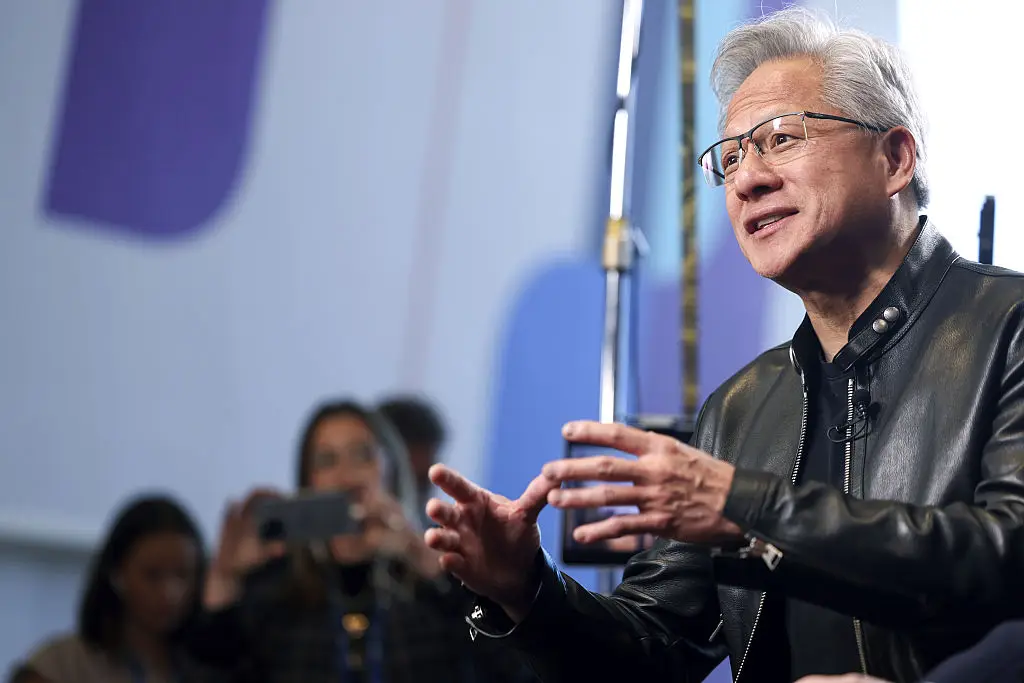
Pachocki's fears aside, having Huang in OpenAI's corner is good news for the AI supergiant, especially as RAMageddon issues mount and an increasing number of companies are scrambling for a decreasing number of chips manufactured by the likes of Nvidia.
OpenAI is particularly reliant on Nvidia, with the company specifically stating: "Our training fleet and the majority of our inference stack continue to run on Nvidia GPUs."
In a case of 'you scratch my back', Nvidia is set to continue profiting from OpenAI's success.
With Nvidia reporting record-breaking $96.2 billion in quarterly revenue in August 2026, its data center business arm and AI chips generated a whopping $89 billion of that.
Away from GPT-6 Astra arriving on the scene, Huang's post championed more computing power as he took to X to promise "400K GPUs coming online next."