
Disturbing statistics behind lethal injection failure rate after Christa Pike survives deadly dose twice


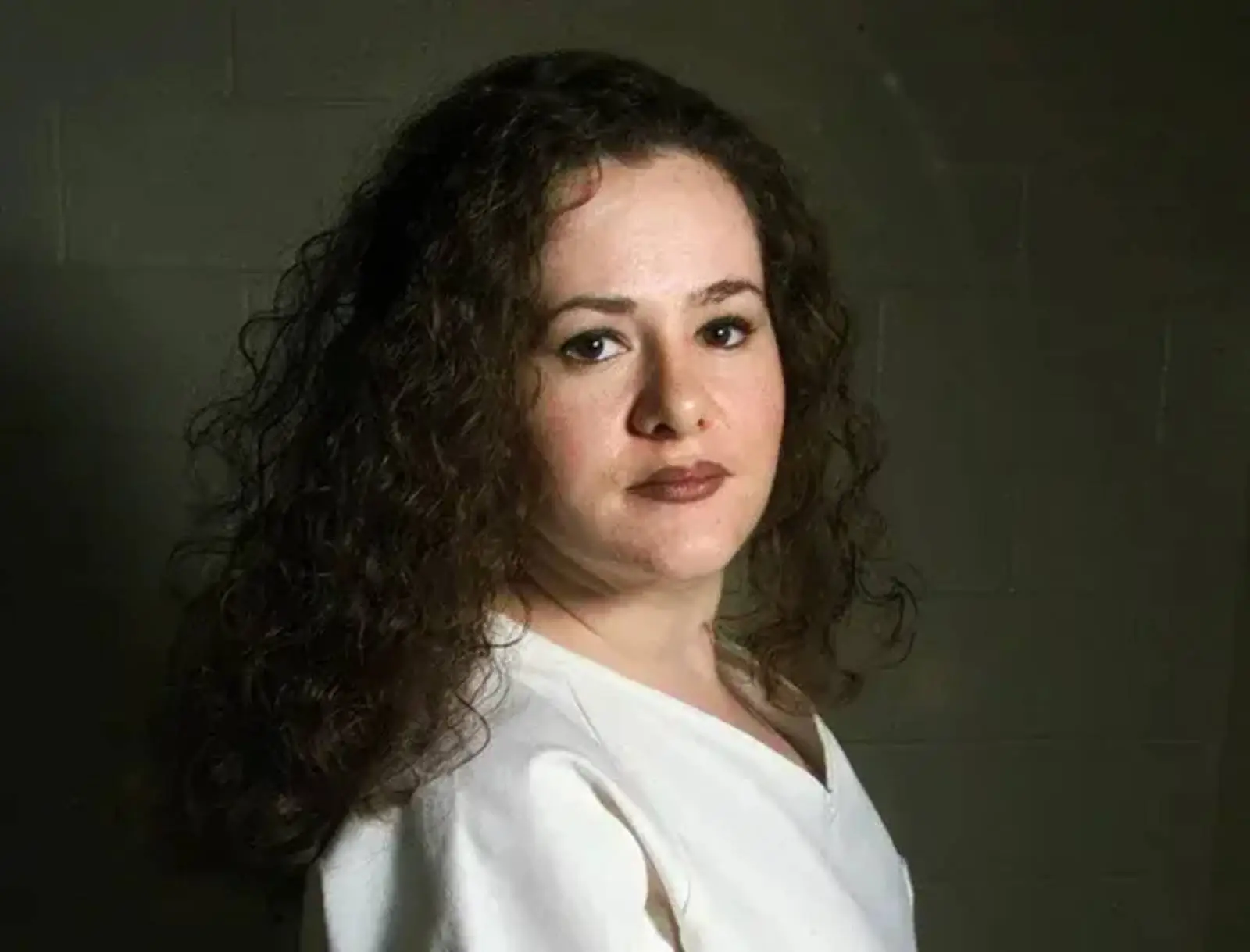
The already disturbing case of Christa Pike has continued to grab headlines, and although it's expectedly to do with her planned death row execution on September 30, it's not for the reason you might think.
Pike has been behind bars since she was sentenced to death over the murder of 19-year-old Colleen Slemmer in 1995, but with female death row inmates being rare compared to men, she was due to be the first woman executed in Tennessee in 200 years.
Emphasis on the was part of that sentence, as Pike was whisked off for medical attention after her lethal injection failed twice and two supposedly deadly doses of pentobarbital failed to kill her.
Tennessee Governor Bill Lee has ordered "a comprehensive, third-party review to determine exactly what occurred," and while Pike's botched execution sounds like an oddly similar plot point to the Gerard Butler-led Law Abiding Citizen, failed lethal injections are more common than you'd think.
How do lethal injections work?
Advert
Even though several forms of execution are still used in the United States of America, lethal injection remains the most popular. There are currently five methods still used in 2026: lethal injection, electrocution, nitrogen hypoxia, gas chamber, and firing squad.
They’re all alternatives depending on certain states and inmate choice.
Other methods like traditional lethal gas (cyanide) have been abolished, while the last person to be hanged was in Delaware back in 1996.
According to the Death Penalty Information Center, lethal injections typically use a three-drug protocol with an anesthetic or sedative. This is followed by a second drug to paralyze the inmate, and a third to stop the heart.
Pike's planned execution used a one-drug protocol, attempting to overdose on pentobarbital to cause death.
Tennessee's execution protocol states that a second set of syringes is required in case the first doesn't work, but it's noted that there's no failsafe if the second doesn't.
Eyewitnesses referred to the execution as 'abnormally long,' with AP's Kim Chandler giving her own graphic account as she told the world: "Her [Christa's] mouth fell open a few times, and she began to loudly snore. She gasped a few times.
“The curtain to the execution chamber closed for the final time at 8:06pm, and she could be heard loudly snoring, clearly very alive, in the chamber until media witnesses were told to leave the area at about 8:53pm."
In terms of multi-drug protocols, medical experts and human rights organizations have raised concerns that initial sedatives failing to work properly can lead to subsequent chemicals causing severe distress or physical suffering.
There are further worries about establishing stable intravenous access, which has been highlighted by a May 2026 case in Tennessee where convicted kidnapper and murderer Tony Carruthers' own execution was halted.
As reported by The Tennessean, Pike's lawyers appealed to Senior Judge Mark Ward around a month before her execution.
At the time, they argued that Pike's condition of thrombocytosis might increase clotting and pain during a lethal injection. It was also said that her veins were small and difficult to access, as defense medical expert Dr. Joel Zivot said she might feel as though Pike were "burning alive."
How often do lethal injections fail?
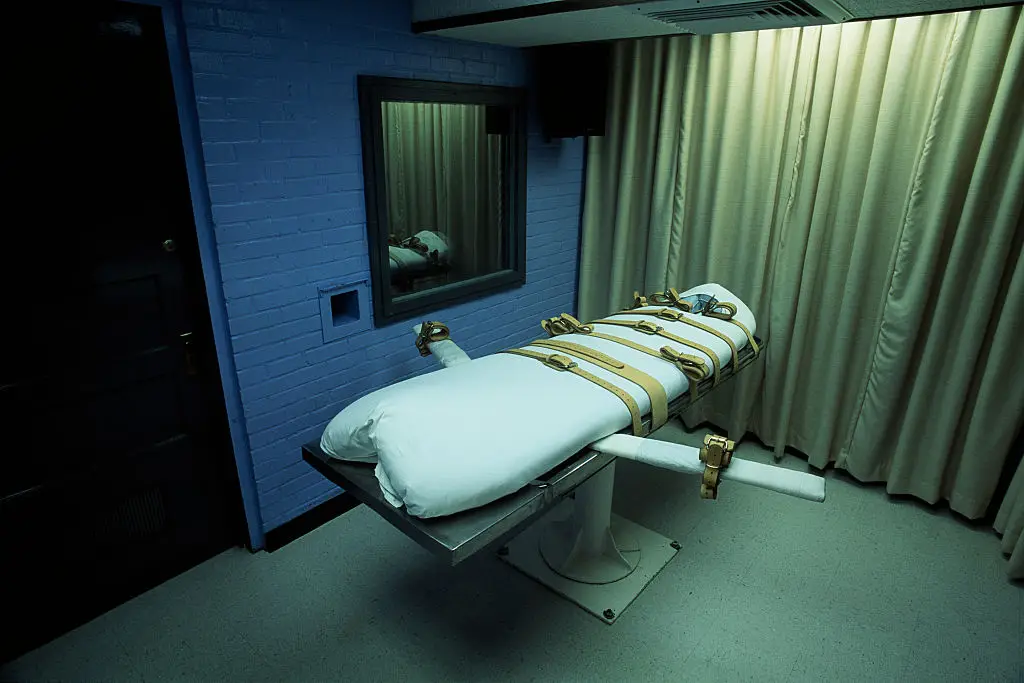
Many pitch lethal injections as a successful and seemingly painless way to execute death row inmates, but the statistics suggest stories similar to Pike's aren't as rare as you'd think. Again, according to the Death Penalty Information Center, 3% of executions between 1890 and 2010 were botched (276 executions out of 8,776).
Lethal injections are said to have the highest chance of being 'botched', and during that same 120-year period, 75 of 1,054 performed lethal injections failed. This works out as a 7.2% failure rate when compared to lethal gas in second at 5.4%.
Alongside struggles with finding veins, pharmaceutical boycotts mean states are sometimes forced to use untested drug combinations or resort to poorly manufactured compounding pharmacy drugs.
There are several examples of failed lethal injections, including the 1985 case of Stephen Peter Morin in Texas. Due to Morin’s history of drug abuse, execution technicians had to probe his arms and legs for 45 minutes until they could find a suitable vein.
Another focuses on Stephen McCoy in 1989, when the Texas inmate had a violent physical reaction to the drugs that resulted in him gasping and choking, causing a witness to faint and crash into another.
Data from the DPIC claims that states botched seven out of 19 lethal injection execution attempts in 2022. That's an astonishing 37% that shows this isn't the supposedly peaceful end some claim it is.
Stories of failed lethal injections are alarming in the modern era of the death penalty since 1976, and although there are cases like Carruthers', Pike surviving after drugs have been administered is thought to be a unique case.