
Baffling medical incident that left astronaut unable to speak exposes huge concern as NASA prepare for Artemis 2


One recent startling medical incident on board the International Space Station (ISS) has left NASA potentially concerned for the imminent Artemis 2 launch, as getting assistance to astronauts on the Moon is a far more challenging prospect.
Despite the decades that astronauts have spent up in space our knowledge of its effects on the human body are still relatively limited, and space agencies like NASA are still discovering new (and potentially concerning) details with each subsequent trip.
What scientists are well aware of is the detrimental effect that long-term exposure to zero gravity environments can have on the body as a whole, as it causes your muscles to work far less, potentially impacting several key organs in the process.
There's also the risk that radiation in space has on your health, as all astronauts go through cancer screenings at high-tech medical facilities as soon as they return to Earth as a precaution.
Advert
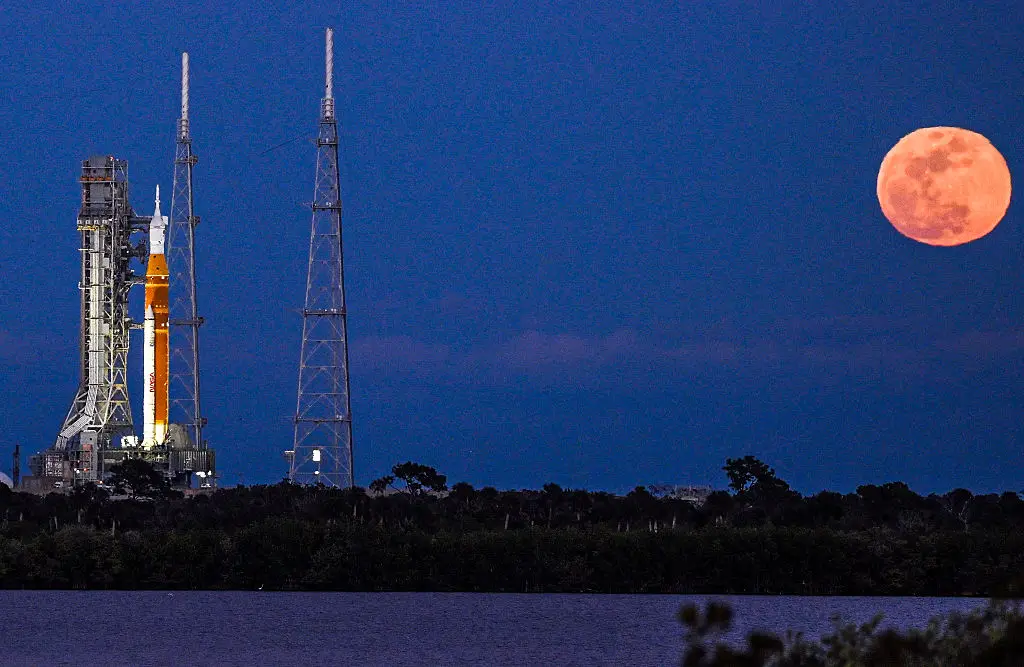
All eyes are now on the launch of Artemis 2 tomorrow, April 1, as it will be one step closer to ending the 52-year-long wait for an astronaut to step foot on the Moon again, yet a recent medical complication might have just complicated things for the space agency.
As reported by Live Science, veteran NASA astronaut Michael Fincke was part of the SpaceX Crew-11 team on board the ISS back in January, yet they all were.forced to abruptly return back to Earth amid a health crisis.
While on board the station, Fincke suddenly lost his ability to speak in an unexplained event, forcing NASA to conduct its first ever medical evacuation of the ISS in order to make sure everything was fine with his health.
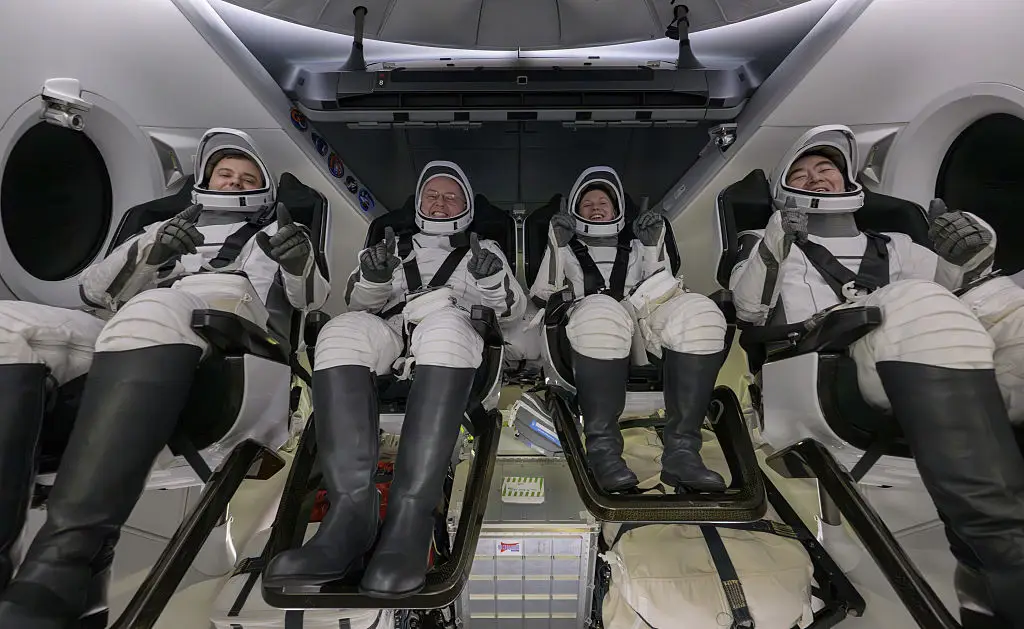
Officials have concretely ruled out a heart attack, but the reasoning behind this incident still remains unclear and could spark a feeling of anxiety for the astronauts on the verge of making a historic journey this week.
It's relatively easy for NASA to enact an evacuation from the ISS due to its close proximity to Earth – despite the recent incident that saw two astronauts stranded on board the vessel for over nine months – yet pulling an entire team back from the Moon, both in orbit and stationed on the space rock, would prove to be a far greater challenge.
This could be something that potentially jeopardises years of work and the longer doctors are unclear on what caused Fincke's issue the harder it'll be to justify the lengthy trips needed to establish base on the Moon.