What creatine actually does to your body as California’s supplement restrictions spark confusion


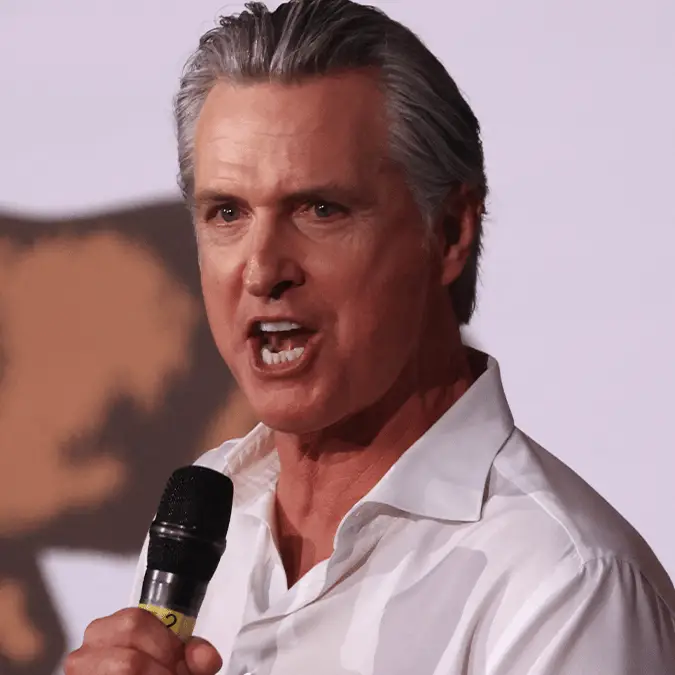
If you're planning that whole new year, new me mantra, and are determined to get washboard abs in 2027, you might face a few legal hurdles. Well, at least if you live in California. As Governor Gavin Newsom heads toward the end of his fixed term, he's issuing a wave of laws across the Sunshine State and putting creatine in his crosshairs.
Having already caused a stir by commuting the death sentences of all 548 inmates on death row, Newsom has signed a law that demands ID will be required for those trying to buy muscle-building and weight-loss supplements like creatine.
Under-18s are banned altogether, and if you have a baby face, expect to be carded at the checkout to prove your age. Bill AB2030 goes into effect on January 1, 2027, and with fines of $500 per violation, you need to make sure you're up to date with what's changing by the time it comes into effect.
Why is California restricting the sale of creatine?

Proponents of the bill argue that supplements like creatine pose a 'serious risk' to children, referencing the American Academy of Pediatrics' advice against teenagers using weight-loss supplements. The bill was looked over by the Senate Health Committee and sailed through with a vote of nine to zero.
Advert
Bill AB2030 is sponsored by the Strategic Training Initiative for the Prevention of Eating Disorders and supported by several health and advocacy organizations related to eating disorders, the California Commission on the Status of Women and Girls, and six individuals. It's opposed by the American Herbal Products Association and the Consumer Healthcare Products Association.
The aim is to combat rising rates of body dysmorphia, eating disorders, and unregulated supplement use in youths.
It's said that body image issues have soared since the COVID-19 pandemic, with social media playing a large part in this. It's especially prevalent in teen boys, where hospital admissions relating to eating disorders have nearly tripled.
In a previous release, Newsom championed a ban for teens as he wrote: "Nonprescribed, medically unapproved weight loss or muscle-building products can have dangerous side effects and are too often mislabeled or tainted with harmful products, like steroids, yet nearly 1 in 10 adolescents have used such products.
"In addition to the immediate risks, youth who use over-the-counter diet pills are six times more likely to be diagnosed with an eating disorder within three years than nonusers."
What does creatine do to your body?

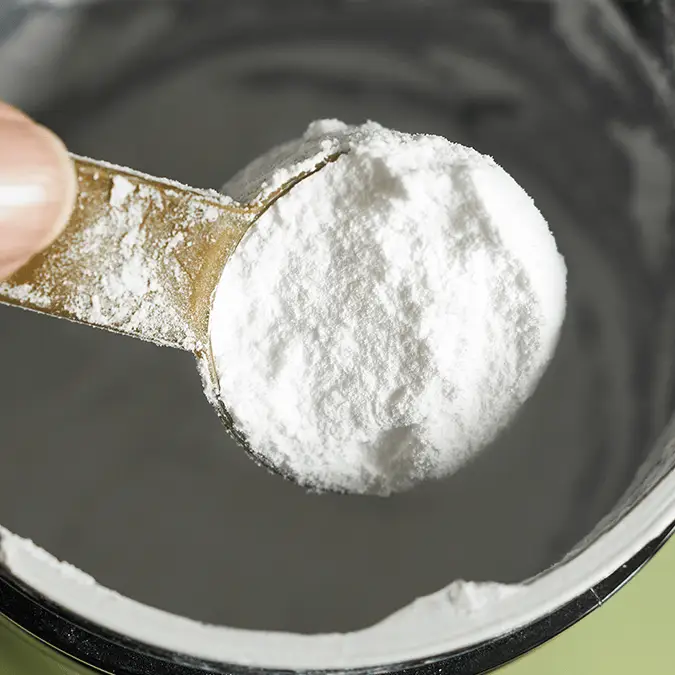
Creatine isn't just available in OTC forms, with Cleveland Clinic explaining it can be found naturally in the likes of red meat, seafood, and animal milks. About half of your body's supply (1 to 2 grams a day) comes from your diet, with the other 50% being produced naturally in your liver, kidneys, and pancreas. It can be propped up by supplements that come in forms including powders, tablets, liquids, and gummies. The latter has become especially popular on social media, with a whole host of weird and wonderful flavors like Millions.
As a natural source of energy, creatine helps your skeletal muscles flex and keep them working when you're exercising. Organs deliver about 95% of your body's creatine to your skeletal muscles while you're working out, while the rest goes to your heart, brain, and other tissues.
Creatine that goes to your skeletal muscles is converted into a compound of creatine and phosphoric acid (phosphocreatine or creatine phosphate). In turn, phosphocreatine creates adenosine triphosphate. ATP is a source of energy that's used by your cells as you exercise.
The main use of creatine is to provide a short burst of energy to improve performance, with studies showing that regular use can help muscles grow in those between the ages of 18 and 30. Be aware that Cleveland Clinic says there isn't enough research to prove creatine helps muscle growth in people over the age of 65 or those who have diseases that affect their muscles.
There are further questions about potential cognitive benefits of creatine, as Mayo Clinic points to early research suggesting that supplements can improve memory and thinking skills in older adults.
We previously covered how one gym bro warned about the dangers of overdosing on creatine, and now, it seems others are taking its potential drawbacks seriously. Other side effects are said to include water retention and weight gain, although historic fears about kidney damage have been somewhat alleviated via research.
As the debate around creatine's pros and cons continues, California's new laws extend beyond creatine, also covering steroids, green tea extract, raspberry ketone, Garcinia cambogia, and green coffee bean extract.