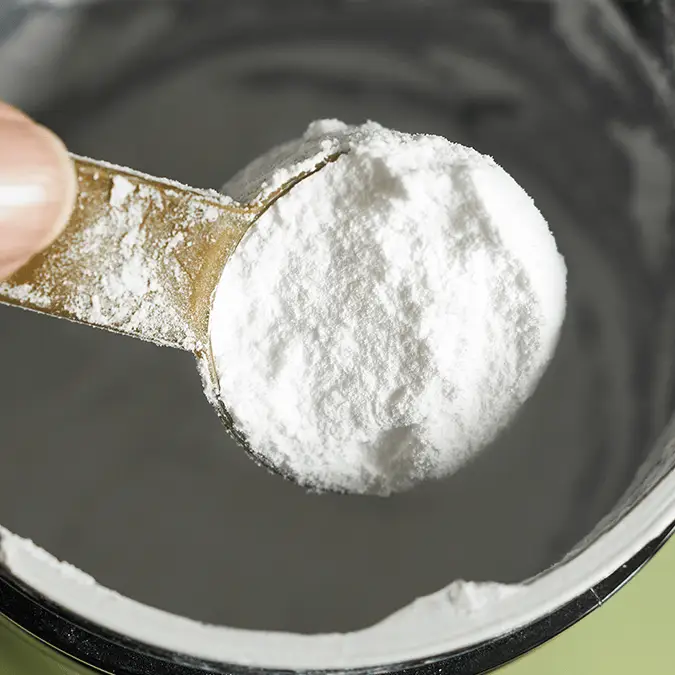
Everything that happens to your body when you stop taking creatine


They say that consistency is key when it comes to fitness, and with it taking an average of 66 days to make a habit, hitting the gym and pumping iron will soon become second nature if you stick to it. Of course, we're made to feel bad by all those fitness influencers as rest day turns into rest week.
Thankfully, health guru Micahel Israetel claims that taking a break for whatever reason doesn't mean your 'gains' will be gone forever. Muscles apparently bounce back surprisingly quickly, and if you want to give them a little boost, you might want to reconsider your supplements.
We all know about the benefits of a protein-rich diet, while there's plenty of advice on which foods can help you on the way to getting swole. Still, you can get another helping hand through the likes of protein shakes or creatine.
What happens when you stop taking creatine?
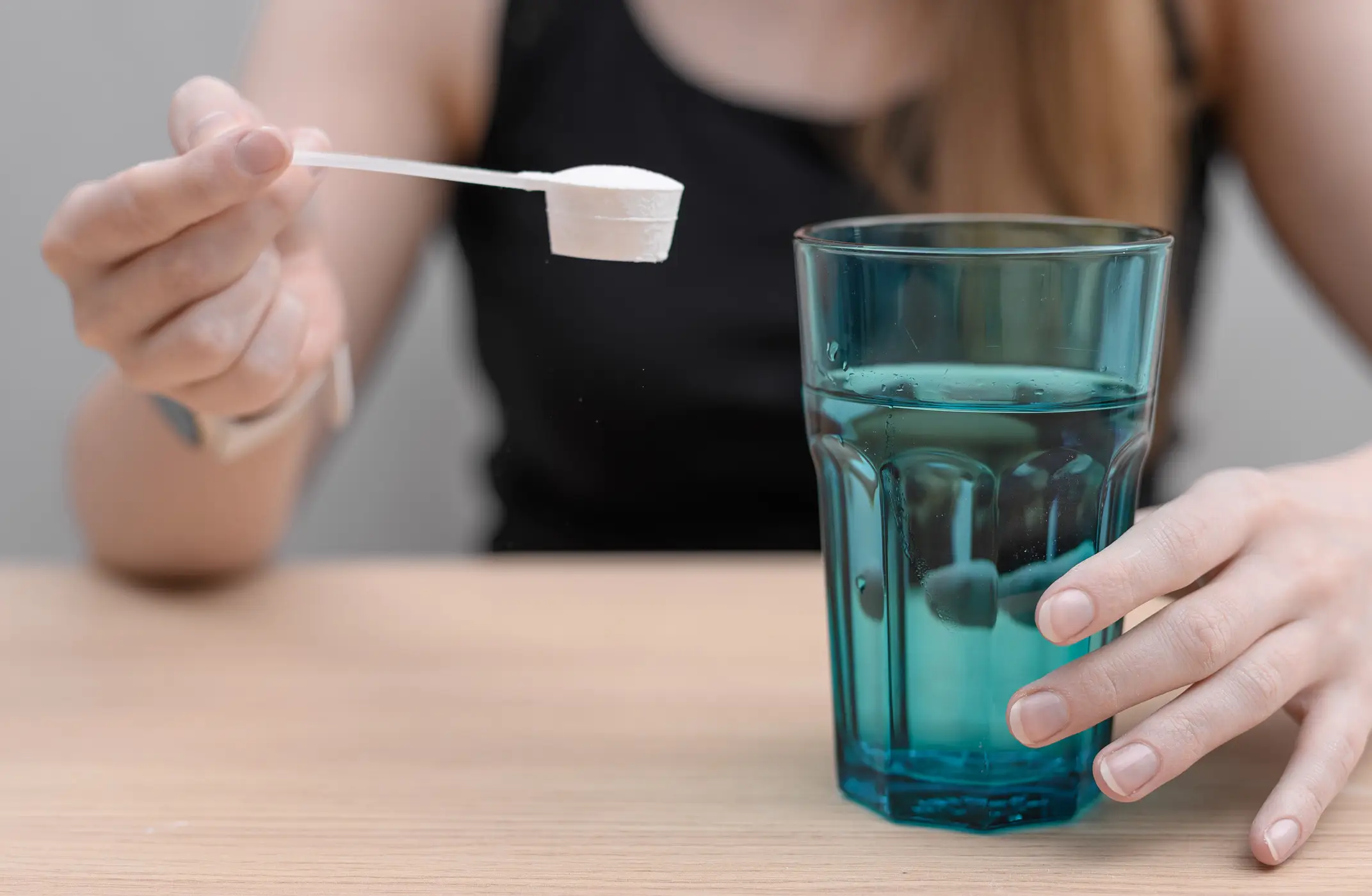
It's important to always read the label when it comes to taking creatine, as one gymgoer warned about the dangers of a creatine overdose, but if you do it right, some claim it's something of a miracle when added to your daily diet.
Advert
Like you can stop going to the gym for various reasons, you might step away from creatine for a while. So, what effects will you see when you put down your creatine?
According to Very Well Health, the first thing you'll notice is that you might be a little lighter. This isn't because of fat or muscle loss, but water weight. Avery Zenker, RD, a registered dietitian at Queen’s University, explained: "Creatine increases intracellular water in muscles, which contributes to that fuller muscle look and sometimes adds one to three pounds on the scale.
"When you stop supplementing, this water is gradually lost. It’s not fat loss or muscle loss, just a normal shift in water balance, which can make you feel or look a bit flatter."
Over four to six weeks, you'll likely notice a change in your workout performance due to your body's stored levels of phosphocreatine declining.
Zenker reiterates that your muscles won't suddenly vanish overnight, although new muscle gains could be slowed.
You're told to keep strength training and consume enough protein if you want to maintain muscle mass.
Even though creatine is also known to give users a cognitive edge, Andrew Franklyn-Miller, MBBS, PhD, chief medical and innovation officer at Nuritas, says there's not enough information on whether stopping taking creatine affects this: "There are no direct studies on the cognitive effects of stopping creatine. It is reasonable to infer that any cognitive benefits from supplementation may diminish as brain creatine levels return to baseline."
Bear in mind, the effect is likely to be negligible for most.
What are the benefits of creatine?

Unlike some supplements, creatine is considered highly researched and beneficial. Coming in various forms, there's been a spike in the popularity of creatine gummies, so you don't need to take a tub of powder with you every day.
Cleaveland Clinic tells us that creatine is a natural source of energy that helps provide our muscles with a steady supply of energy, especially when working out. Around half of your daily supply of creatine (one to two grams) comes from your diet and can be boosted by protein-rich foods like red meat, seafood, and animal milk. The other half is produced naturally in the liver, kidneys, and pancreas, delivering 95% of it to your skeletal muscles to help during physical activity. As the rest goes to your heart, brain, and other tissues, creatine is linked to protecting against cognitive decline.
If that didn't already have you looking online for creatine, a study shared by Frontiers in Nutrition suggests it could reduce your risk of developing certain cancers due to it supporting your body's energy system.
Although more research is needed, some think creatine helps in fuelling T cells and creating a stronger immune system, which can offer potential protection against cancers like melanoma and colon cancer.
Zenker concludes that while creatine is an effective supplement, it's not an essential addition to our lives: "You can maintain or build muscle through consistent strength training, adequate protein intake—around 1.4 to 2.2 grams per kilogram of body weight per day—progressive overload, and proper recovery.
"Creatine amplifies the effects of training, but the foundation is proper training quality, sleep, and nutrition."