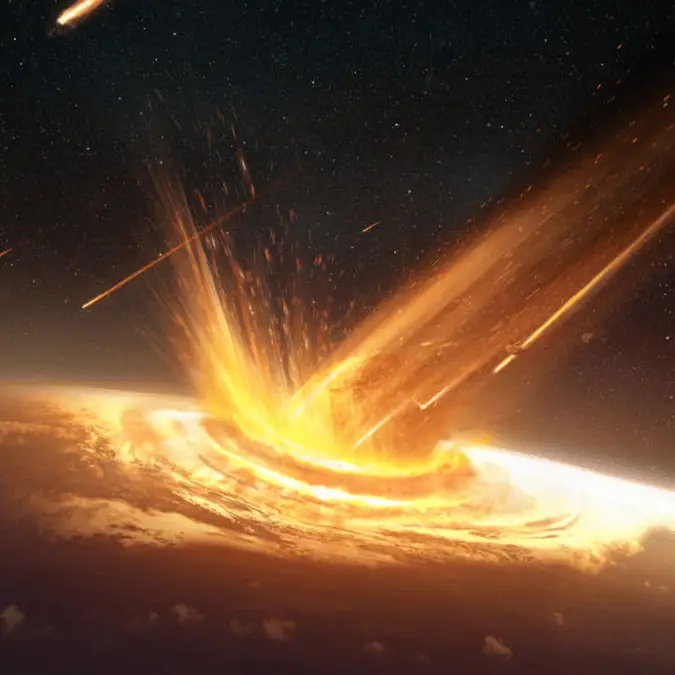
Horrifying simulation exposes devastating effects if 3I/ATLAS collided with Earth


With the mysterious comet known as 3I/ATLAS just about to pass by Earth, one horrific simulation has revealed exactly how much damage would be caused if it crashed straight into our planet, and it's somehow worse than you'd expect.
While the path of 3I/ATLAS has been clear for months now, as scientists have revealed how it steers well wide of our planet after passing behind the Sun, that hasn't stopped some skeptics from speculating a far worse future.
Some have been firm in their belief that the mysterious comet is an alien vessel or object of some form, and that it was using the opportunity to hide itself behind the Sun to change course and head directly towards Earth, potentially sparking an alien invasion.
The primary argument was that it would be far better to prepare for the worst case scenario and work upon the assumption that it is some form of UFO than to be left with our proverbial pants down if an attack were to happen, but thankfully the scientists were right as expected and 3I/ATLAS poses no threat.
Advert
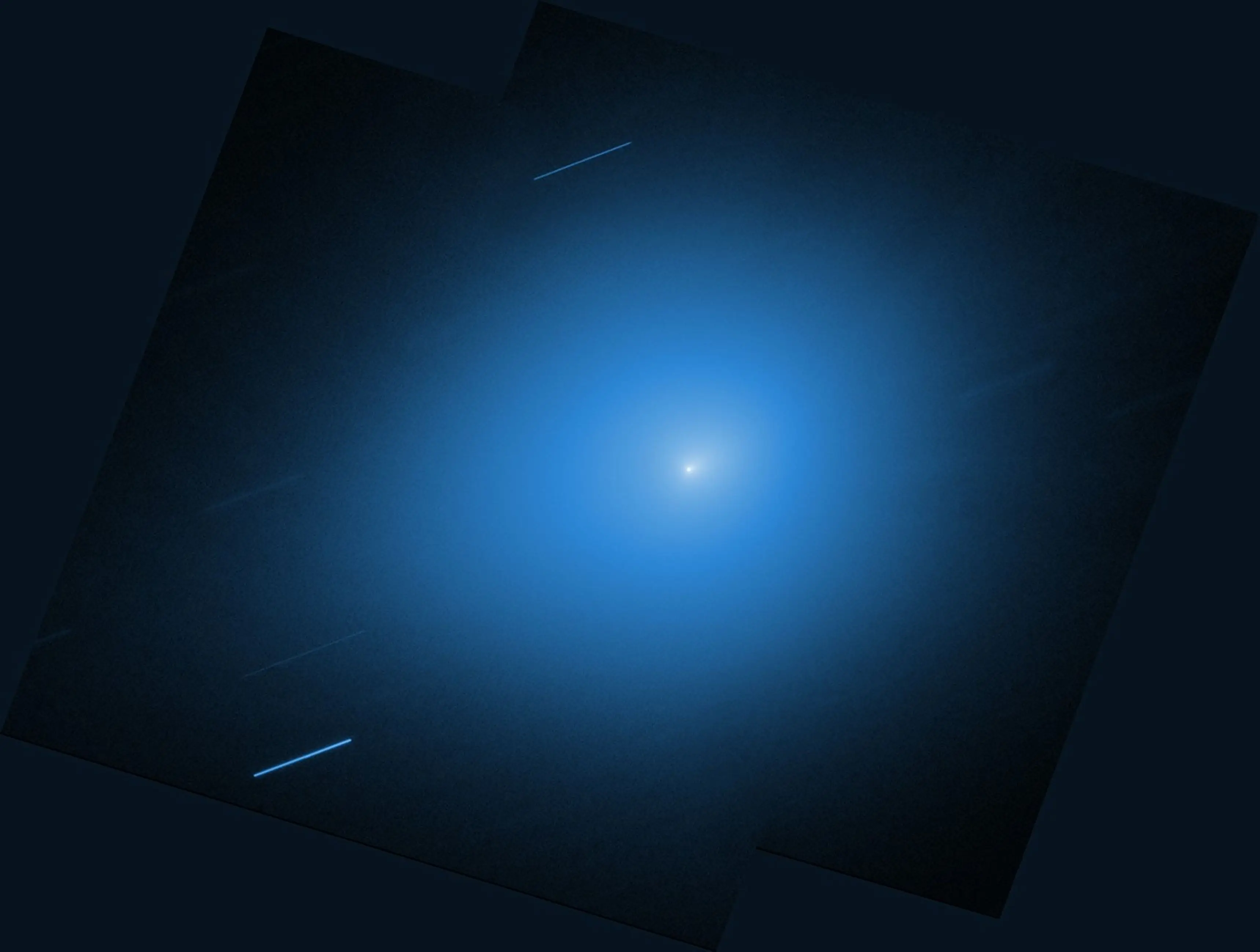
It will pass by Earth at it's closest point tonight (November 18), however, and that's led some to speculate what would have happened if it were to be heading directly towards us, and the damage that a collision would cause.
We had hints of this earlier in the year when many feared that an asteroid known as 2024 YR4 had a brief and small chance of hitting our planet, but thankfully that nightmare scenario was avoided.
As shared by UNILAD, we can now see a simulation of the impact that 3I/ATLAS would make, and it would be devastating beyond belief.
Analysis from NASA's Hubble Space Telescope estimates that the comet is between 440 and 5,600 meters in diameter, and is currently traveling through our solar system at roughly 221,000 kilometers per hour (137,323 miles per hour) — a speed that remains consistent as it exits.
Unfortunately simulation tools like the Neal Fun asteroid simulator are limited in what they can estimate in terms of size and speed, with the tool maxing out at 'just' 1,500 meters in diameter and 100 kilometers per second, but this still produces a far greater impact than you might think.
If it were to strike Washington D.C. at a 45 degree angle, the collision would create an impact radius of 27 kilometers, with a crater stretching around 792 meters into the ground below.
Roughly 1.2 million people would be immediately vaporized by this impact, and around 19.3 million people would perish from the 69-kilometer-wide fireball that the asteroid's collision would cause, wiping out around 6 percent of the total US population and leaving many more with extreme burns.
That's for an asteroid that's potentially far smaller than 3I/ATLAS too, and traveling at a slower speed, so we can only imagine how much more devastating the real-life consequences would end up being. Take a look here.