NASA telescope reveals asteroid with force of 500 Hiroshima bombs is heading towards the Moon


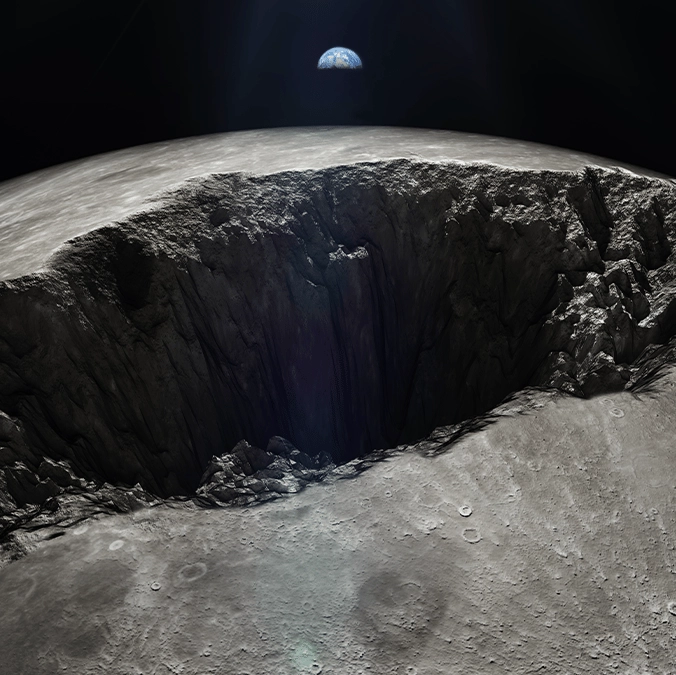
While thankfully Earth has been cleared from the danger, NASA's best space telescope has revealed that a deadly asteroid with the force of 500 Hiroshima bombs is now potentially heading towards a collision with the Moon.
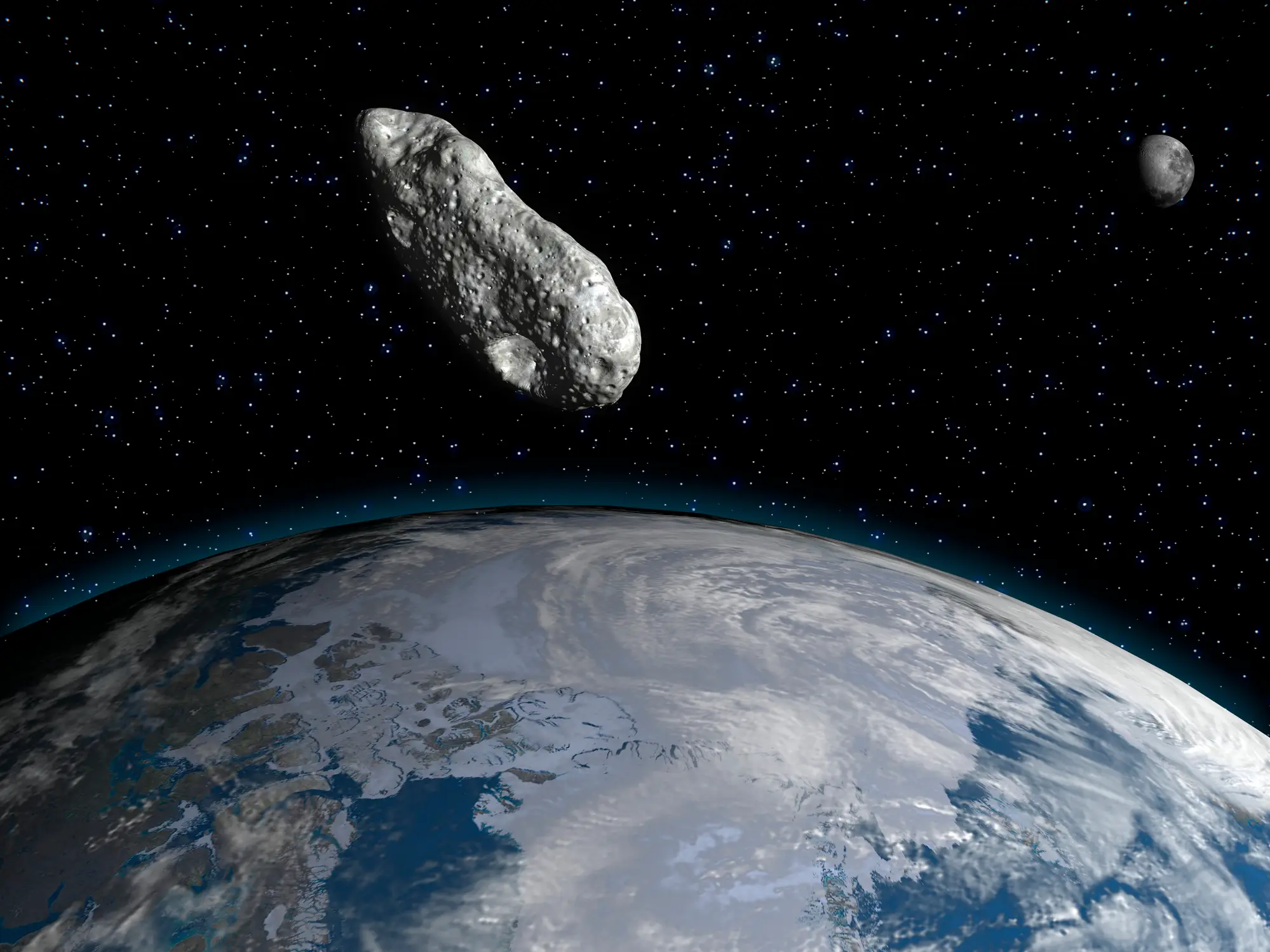
The world was sent into a panic a few months ago after it was revealed that an asteroid over 100 million miles away has a nonzero chance of crashing into Earth within the next 10 years.
Scientists across the globe were scrambling to understand and study 2024 YR4 in its approach, as many estimated that it could posses the power to wipe out entire cities if it did happen to strike our planet.
Advert
The ever-increasing probability of crashing into Earth led some physicists to propose preventative measures similar to NASA's previous DART mission that would use a rocket to divert the course of the incoming asteroid, but thankfully we now understand that it's not necessary.
As reported by Live Science, use of NASA's James Webb Telescope - which sits in space around a million miles away from Earth - was authorized as an emergency to properly analyze 2024 YR4, and studies revealed that while the asteroid was larger than initially thought, it poses zero chance of colliding with Earth.
However, they did discover that it has a potential new target in its sights, as its projected trajectory indicates a nonzero chance of striking the Moon, with scientists illustrating that the force of this impact would be the equivalent of 500 Hiroshima bombs.
"While an Earth impact by 2024 YR4 on December 22, 2032 has now been ruled out," details the official scientific memo from the James Webb Telescope's findings, "it continues to have a non-zero probability of impacting the Moon at this time."
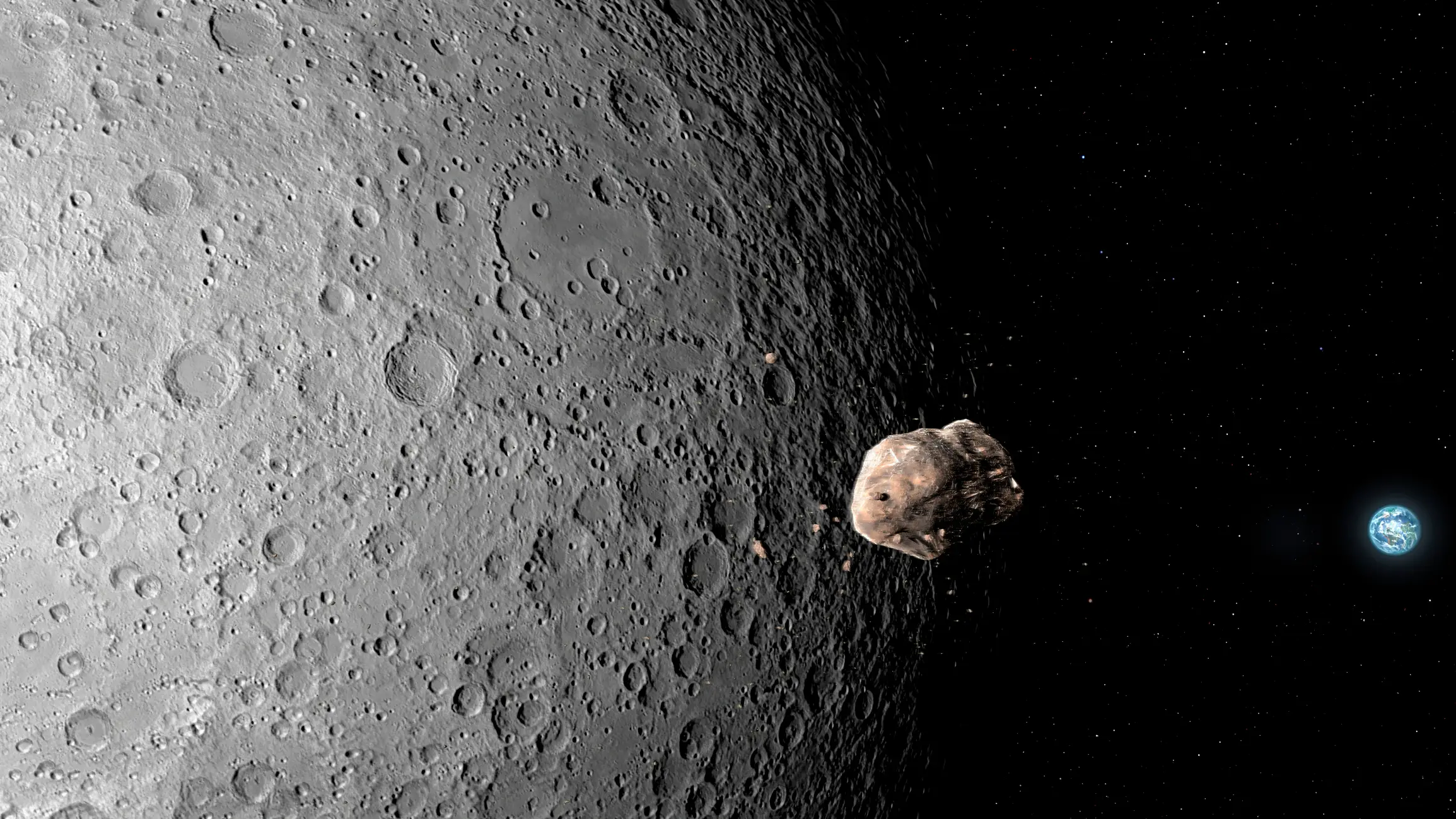
The next set of analysis will be performed by the James Webb Telescope in May before 2024 YR4 disappears out of view for at least another three years, at which point there will hopefully be further confirmation and details regarding the future status of the asteroid.
Thanks to the thermal-based analysis of the James Webb Telescope, which provides a far more accurate reading compared to the light-based estimates from ground telescopes, it is revealed that 2024 YR4 is around 60 meters (200 feet) wide - or the size of two blue whales or 20 basketball hoops.
It's understandable to worry that a collision with the Moon would still mean bad news for Earth, but thankfully scientists have quashed any fears and assured everyone that it would pose no threat to us.
Alan Fitzsimmons, professor of physics and maths at Queen's University Belfast, revealed that "we've got our fingers crossed for a Moon impact," adding that "it would have no effect on Earth, but would allow us to study the formation of a lunar crater by a known asteroid for the very first time."