How Starlink is fueling space junk crisis following approval to double number of satellites in low earth orbit


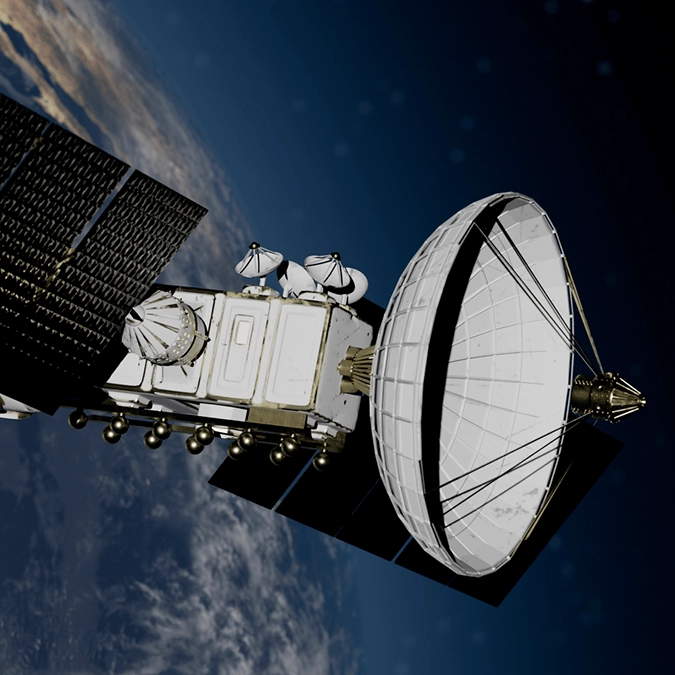
Elon Musk's Starlink is fueling a space junk crisis after its official approval to double its number of satellites in low Earth orbit.
Just last month, Elon Musk's SpaceX (the company behind Starlink) applied to launch one million satellites into Earth's orbit specifically to support artificial intelligence operations.
The proposal argues that 'orbital data centres' represent the most cost-effective and energy-efficient solution for meeting AI's high computational demands.
While experts are now concerned about the amount of space junk floating around up there, SpaceX just got approval from President Trump's FCC to double the number of satellites in Low Earth Orbit (LEO).
Advert
The approval would dramatically expand SpaceX's orbital presence despite the existing Starlink constellation of nearly 10,000 satellites already facing accusations of creating space congestion. Musk has since disputed these claims.
According to Spaceflight Now, SpaceX launched its 2,000th Starlink satellite last September.
However, there are rising concerns about what thousands of these massive metal objects could mean for Earth when they inevitably come crashing back down, with one astrophysicist warning that Musk's billion-dollar venture could pose serious threats to life on Earth.
As space junk increases, things like 'risk of collisions, atmospheric contamination and runaway doomsday scenario Kesler syndrome' all become more probably and could spell disaster for humanity, according to CNET's video report.
Coupled with the high speeds at which space objects are travelling, any impact could be devastating. To make matters worse, other tech moguls like Amazon founder Jeff Bezos have previously proposed moving 'polluting industries' off Earth and into orbit.
Back in 2021, Bezos explained: “We need to take all heavy industry, all polluting industry, and move it into space."
Starlink promises high-speed, low-latency broadband to remote and rural locations worldwide. By deploying thousands of satellites in LEO, the service delivers connectivity to regions with unreliable or no internet access.
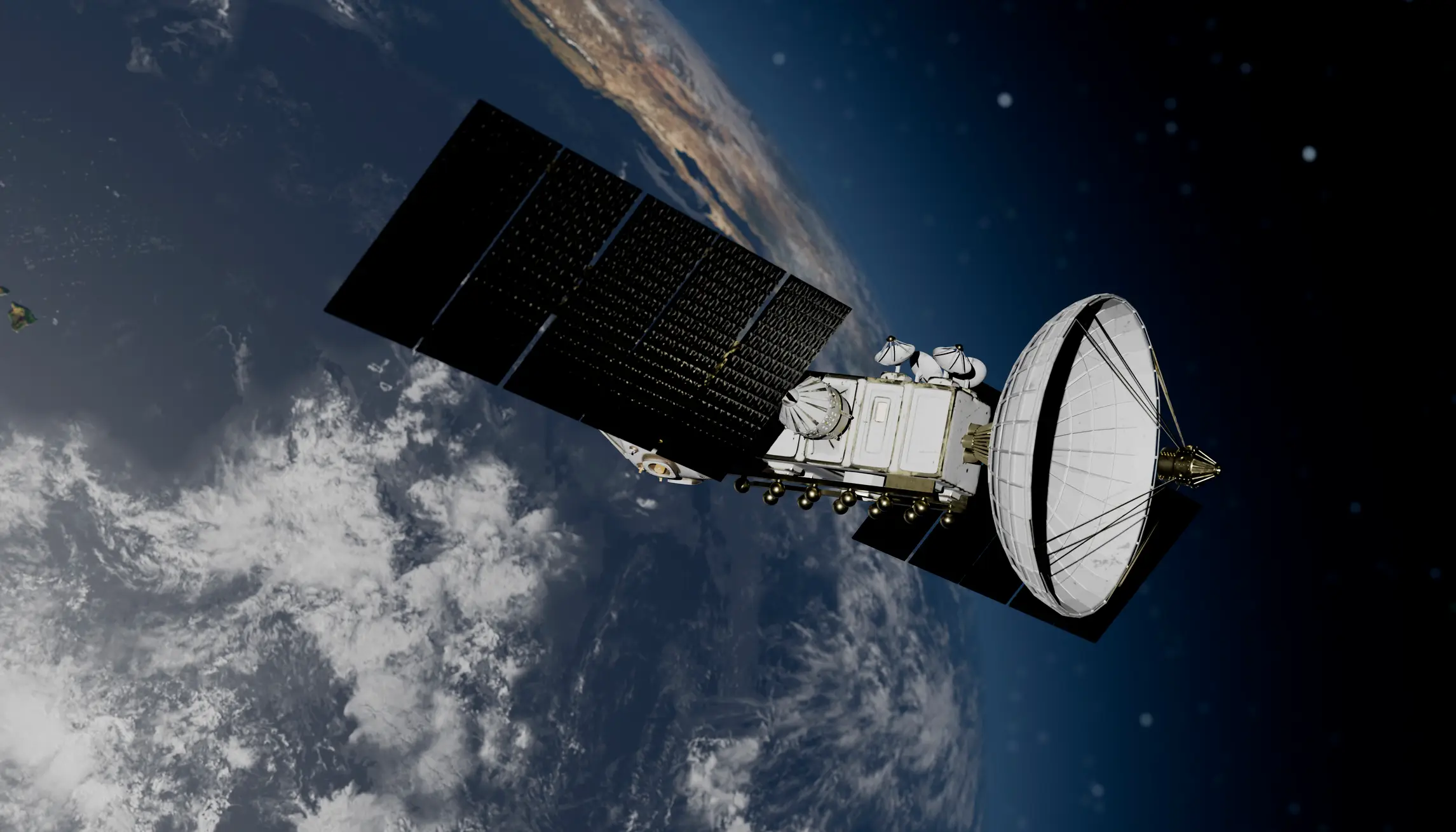
Moving the satellites is part of Starlink's plan to eliminate the 'low broadband speeds' that many users experience. When the satellites have issues or reach the end of life, they're designed to 'burn up in the atmosphere' during re-entry. However, this process raises worries about 'air pollution, global warming and impacts to the ozone layer.'
According to CNET, there are roughly '40,000 objects in space being tracked' by space agencies like NASA and the European Space Agency.
Some experimental solutions have involved using nets to capture out-of-control satellites, but heavier objects are much harder to intercept and pose greater risks if they fall to Earth. Despite the risks, Musk appears to remain optimistic about the future potential of his satellite network.