
Astrophysicist warns Elon Musk's billion-dollar company could seriously threaten our life on Earth


An astrophysicist has warned that Elon Musk's billion-dollar company could pose a growing threat to our life on Earth.
We're living through an unusual moment in human history. Private companies are launching satellites faster than governments ever have, reshaping our entire relationship with space.
What once took nations decades now happens in months, with thousands of satellites being deployed to create a new infrastructure layer wrapped around our entire planet.
According to Spaceflight Now, Elon Musk’s SpaceX hit the milestone of launching its 2,000th Starlink satellite this year, back in September.
Advert
However, experts are concerned about what thousands of these massive metal objects could mean for Earth when they eventually fall back down.
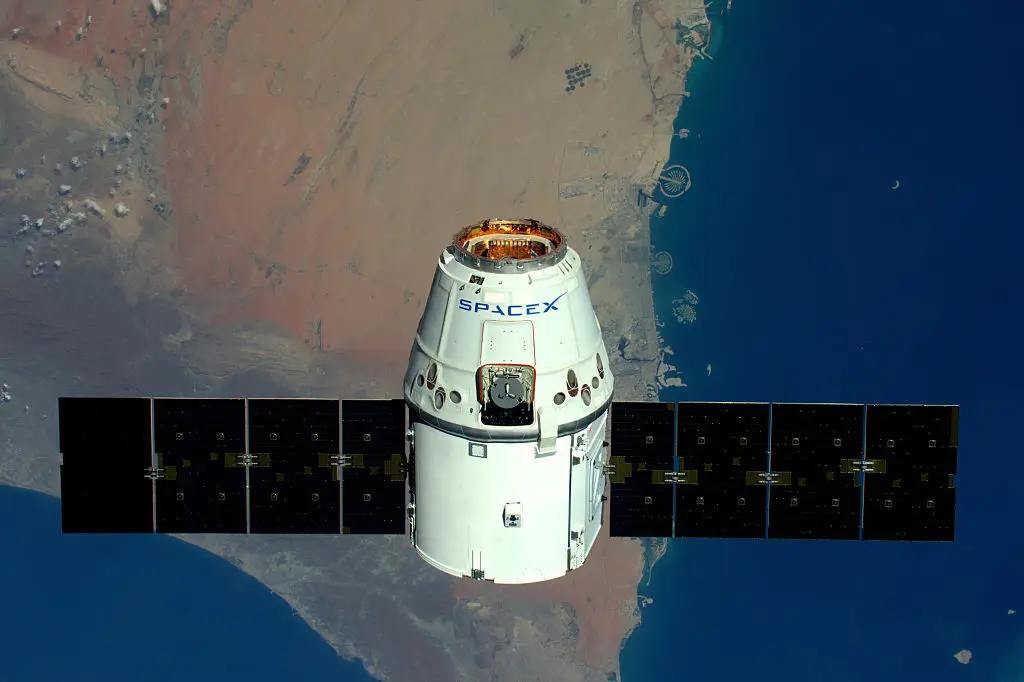
Astrophysicist Jonathan McDowell’s website Planet4589 notes that more than 8,000 Starlink satellites are currently orbiting overhead. In comments to EarthSky in October, McDowell worryingly revealed that one to two satellites from Musk's company are re-entering Earth's atmosphere every single day.
“Not even counting Starlink, we have a couple of satellite re-entries a day. Usually, they’re quite small, like cube sets, and burn up completely," he explained.
“A couple of times a month, we have a larger satellite – a non-Starlink satellite – that re-enters. So every few months, there’s a report of a piece of space hardware that’s re-entered that ends up on the ground as a significant piece of debris.
In the bigger picture, the expert added: “Several times a year, we’re taking these pot shots at people on the Earth, and fortunately so far missed […] So far, we’ve been very lucky, but it won’t last.”
The fears are backed up by the Federal Aviation Administration which issued a forecast for the next 10 years in September 2023.
“By 2035, if the expected large constellation growth is realized and debris from Starlink satellites survive reentry, the total number of hazardous fragments surviving reentries each year is expected to reach 28,000," they stated.

"The casualty expectation, the number of individuals on the ground predicted to be injured or killed by debris surviving the reentries of satellites being disposed from these constellations, would be 0.6 per year, which means that one person on the planet would be expected to be injured or killed every two years.”
However, SpaceX reportedly disputed the FAA's findings and argued that the report relied on a 'deeply flawed analysis that falsely characterizes reentry disposal risks associated with Starlink.'
“To be clear, SpaceX’s satellites are designed and built to fully demise during atmospheric reentry during disposal at end of life, and they do so,” the letter read, as per CNN.
That said, SpaceX did in fact announce 'controlled descents' for about 100 of its satellites in February last year.
“These satellites are currently manoeuvrable and serving users effectively, but the Starlink team identified a common issue in this small population of satellites that could increase the probability of failure in the future,” they addressed.