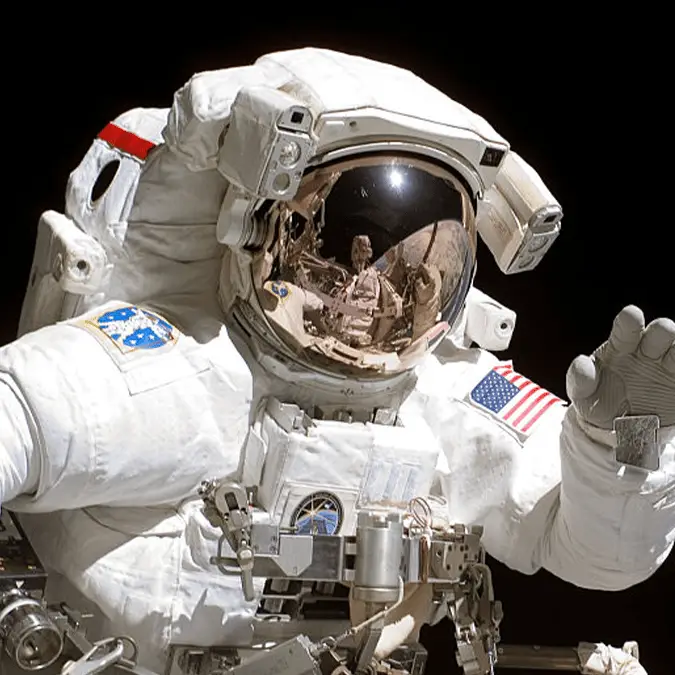
NASA astronauts finally allowed to beloved piece of tech with them into space


NASA's highly anticipated Artemis II mission might have been delayed for safety reasons, but it has allowed us to learn about a beloved piece of technology that astronauts will be able to take on board with them for the first time ever.
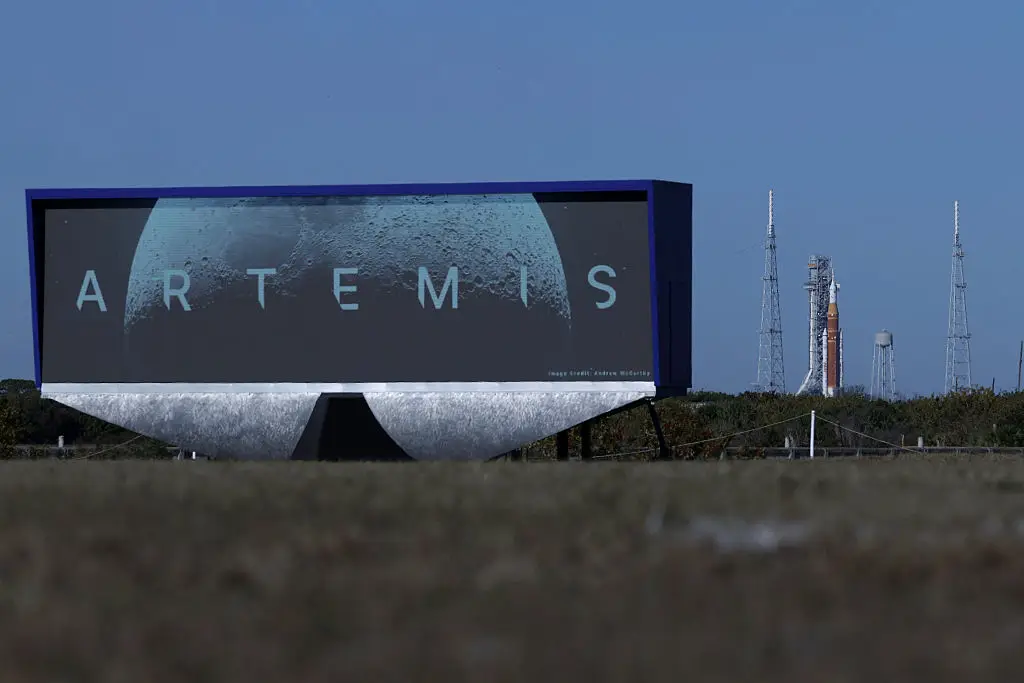
All eyes are fixed on the progress of NASA's Artemis program as it gears up for the first return to the Moon in over half a century, yet one small stumbling block has pushed the launch of its second mission back to March.
It was supposed to head into outer space some time within the next week, but a liquid hydrogen leak that occurred during the simulated countdown has prompted a delay, with the safety of the astronauts on board the spacecraft needing to be secured and prioritized.
While the journey itself won't see the astronauts stop down on the Moon – with that feat being reserved for the Artemis III mission – it will journey around the nearby space rock, and NASA have finally allowed for a beloved piece of technology to be taken on board that'll change the whole experience.
Advert
As shared on social media, NASA Administrator Jared Isaacman announced a rule change for the space agency's astronauts, indicating that they'll now be allowed to take smartphones on board.
"NASA astronauts will soon fly with the latest smartphones, beginning with Crew-12 and Artemis II," Isaacman outlined in a post on X.
"We are giving out crews the tools to capture special moments for their families and share inspiring images and video with the world. Just as important, we challenges long-standing processes and qualified modern hardware for spaceflight on an expedited timeline.
"That operational urgency will serve NASA well as we pursue the highest-value science and research in orbit and on the lunar surface. This is a small step in the right direction."
It's unclear which phones they will be allowed to take on board, as it appears as if only certain devices have been tested, but it could be a slam dunk when it comes to marketing for the allotted companies as who wouldn't want a phone that's been in space?
It certainly goes a long way to emphasize the human side of space travel, as being able to maintain communication with their families is vital for astronauts who often spend months in orbit, and the more personal touch of individually-captured photos will bring a new perspective to space living.
"Some of my favorite clips from both Inspiration 4 and Polaris Dawn have been the casual, familiar phone camera shots," proclaimed one X user who is overjoyed about this change, with others noting that they're looking forward to seeing 'cool selfies' from the astronauts.