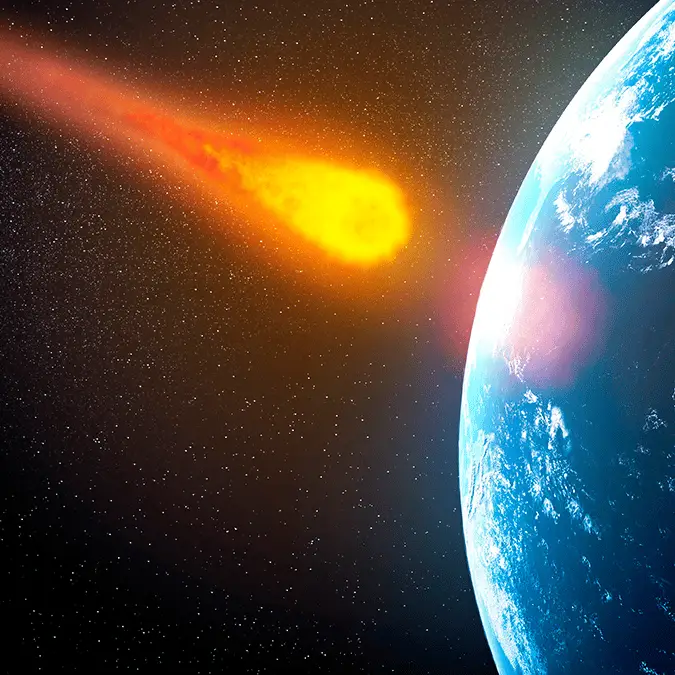
Physicist issues warning after NASA doubles risk of asteroid hitting Earth


One famous physicist has issued his own warning that we shouldn't take the threat of an asteroid hitting Earth lightly, insisting that it's all a 'test' from the Universe to check if we're prepared.
Much attention was paid to the announcement that an asteroid could have a chance of hitting Earth in around a decade if current predictions are correct, despite warnings that it isn't something we should really be worried about.
The asteroid in question - 2024 YR4 - was detected by NASA's Asteroid Terrestrial-impact Last Alert System, and stretches around 196 feet (60 meters) wide.
This would make it capable of wiping out an entire city if it did happen to strike Earth, and current projections estimate that it would impact an area between South America and sub-Saharan Africa.
Advert
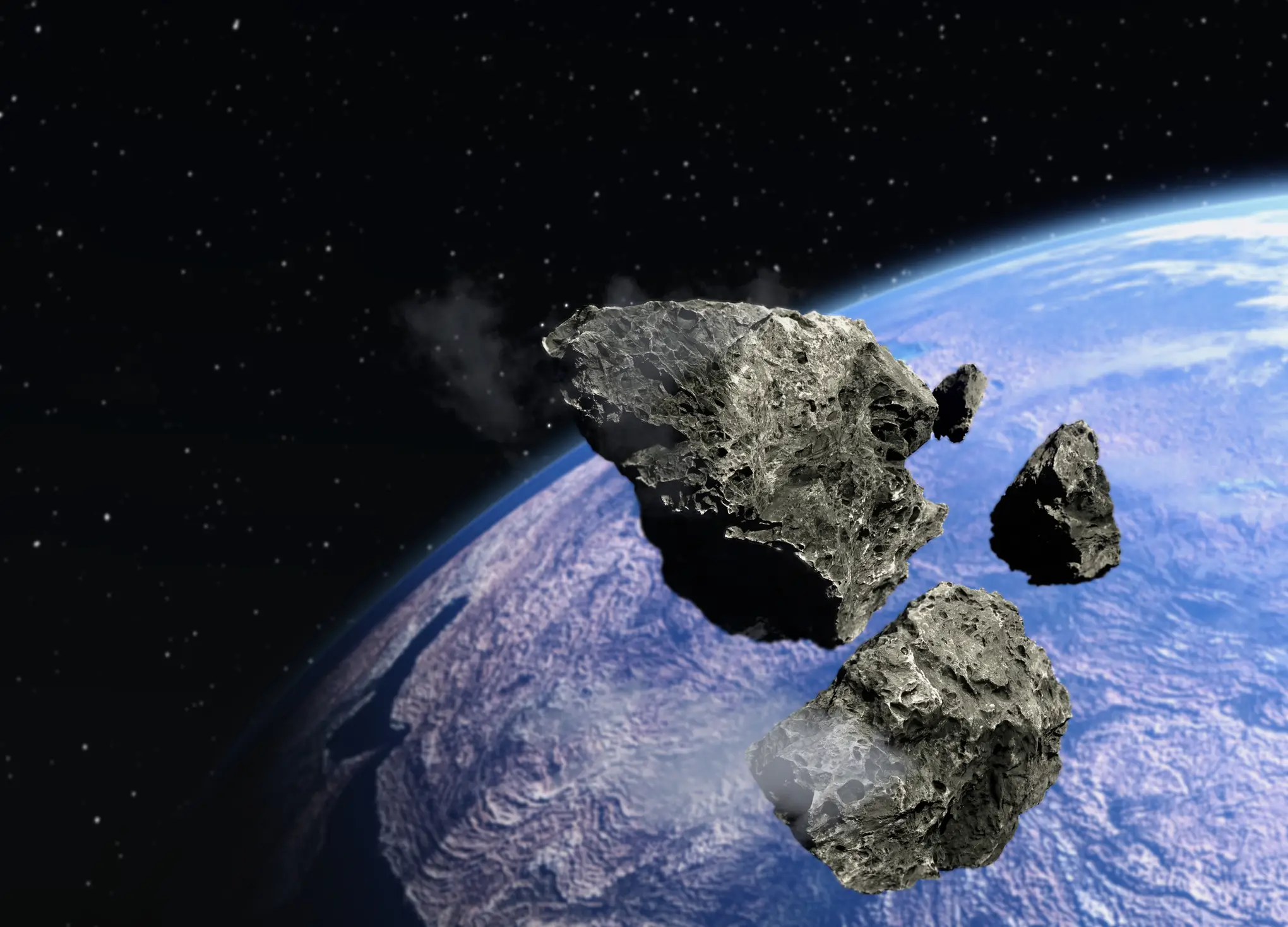
Initial analysis indicated that there's a 99 percent chance that 2024 YR4 would not strike Earth and fly right past, but new studies have recently doubled these chances, prompting some physicists to offer new advice.
One such physicist is Brian Cox, professor of Particle Physics at the University of Manchester, and the well-known science expert has come up with his own plan of action for dealing with 2024 YR4 and any other stray asteroids that might come out way in the future.
"If the probability remains this high then we will have to make a decision on preparing a deflection mission," Cox explains, "which would be a good investment even if (as is most likely) we don't need to use it this time."
What Cox is proposing is a means for Earth to divert the path of YR4 before it reaches and strikes Earth, which would likely be a costly and time-intensive endeavor but would definitely be worth it to save a city or worse.
On top of this, there's almost no downside in the long term to building a deflection mission of this type, as it'll leave you prepared for any future similar instances without having to scramble to make one then. You never know how much time the next asteroid will give you after all.
Adding to this, Cox illustrates: "It's as if the Universe has decided to do an experiment to see if Planet Earth is still capable of taking rational decisions!"
That certainly is the ultimate test, and would likely require the world to band together in order to achieve a common goal, so even if you don't believe in the higher power of the Universe it's certainly a 'test' worth observing.