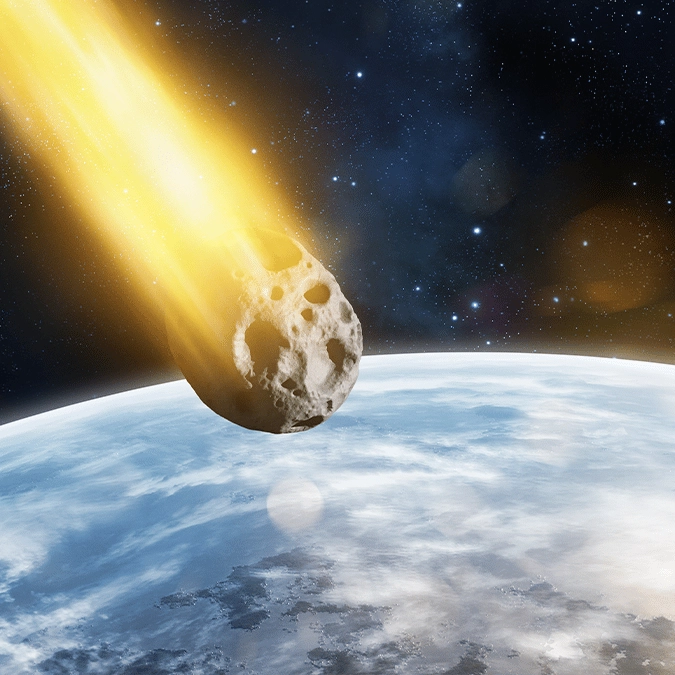
NASA issue statement as 196 ft 'city-destroying' asteroid threatens to hit Earth


Scientists have recently discovered an asteroid that is currently on a path towards Earth, and the 196-foot wide space rock could level an entire city if it happened to collide with our planet.
Discovered by NASA's Asteroid Terrestrial-impact Last Alert System, 2024 YR4 is an otherwise innocuous asteroid that has gained significant interest due to it's likely path towards Earth.
Unlike other asteroids that hold information that could help understand the origins of the universe or give everyone on the planet a lot of money, this particular chunk of space rock has become famous for all of the wrong reasons.
Advert
Experts indicate that it has around a one-in-83 chance to hit Earth, as reported by Indy 100, and it's current trajectory and speed have many predict that it'd reach our planet by around 2032 - less than a decade from now.
This is due to the fact that it's around 27 million miles away right now, and while that might seem like something we don't need to worry about in our lifetime, the speed of travelling asteroids makes the distance capable in a relatively short period of time.
On top of this, while 2024 YR4 is 'only' around 60 meters wide, the speed at which it would strike Earth makes it capable of wiping out an entire city, which would be incredibly devastating and an unprecedented disaster.
Thankfully NASA have issued a statement attempting to quell the fears of anyone foreseeing a doomsday situation on the horizon, advising that it's not something that they're particularly worried about.
As per LADBible, Paul Chodas, director at NASA's Center for Near Earth Object Studies has outlined: "We are not worried at all because of this 99 percent chance it will miss. But it deserves attention."
This is certainly calming to hear, especially considering the fact that they're still paying it close attention - although the close shave and persisting chance, even if it remains incredibly small, can still worry the anxious few.
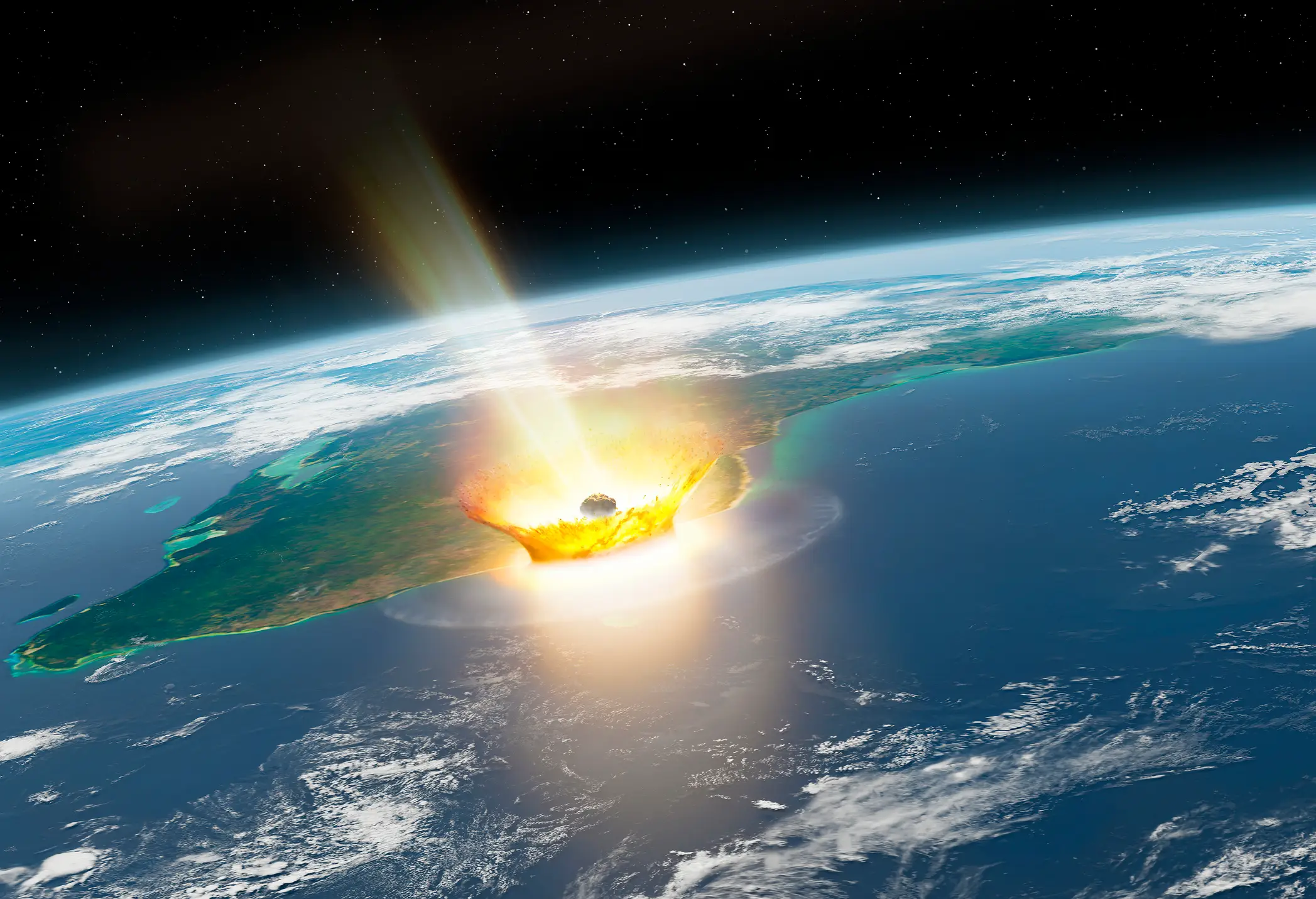
It has also been indicated that the 'risk corridor' of impact, otherwise known as the area that 2024 YR4 would likely hit, is around the area from South America to sub-Saharan Africa, across the Atlantic Ocean.
Catalina Sky Survey engineer David Rankin has outlined to Space the various different factors that are important to consider alongside the asteroid's current orbit, as they play a vital factor in how it would potentially strike Earth.
"If [2024 YR4] is made of stony material, it could cause a significant air burst and fireball reaching the ground. If made of iron, it will punch right through the atmosphere with little trouble and make an impact crater."
This could dramatically change the response needed to deal with the asteroid if it were to hit Earth, and it's only something that we'll know once it gets closer and thus easier to study.