Shocking cost to NASA if they decide to intercept asteroid at risk of hitting Earth in 7 years


NASA will have to fork out some serious funds if it plans on using a spacecraft to divert the asteroid that's current on a path to collide with Earth, as previous similar missions have racked up shocking overall costs.
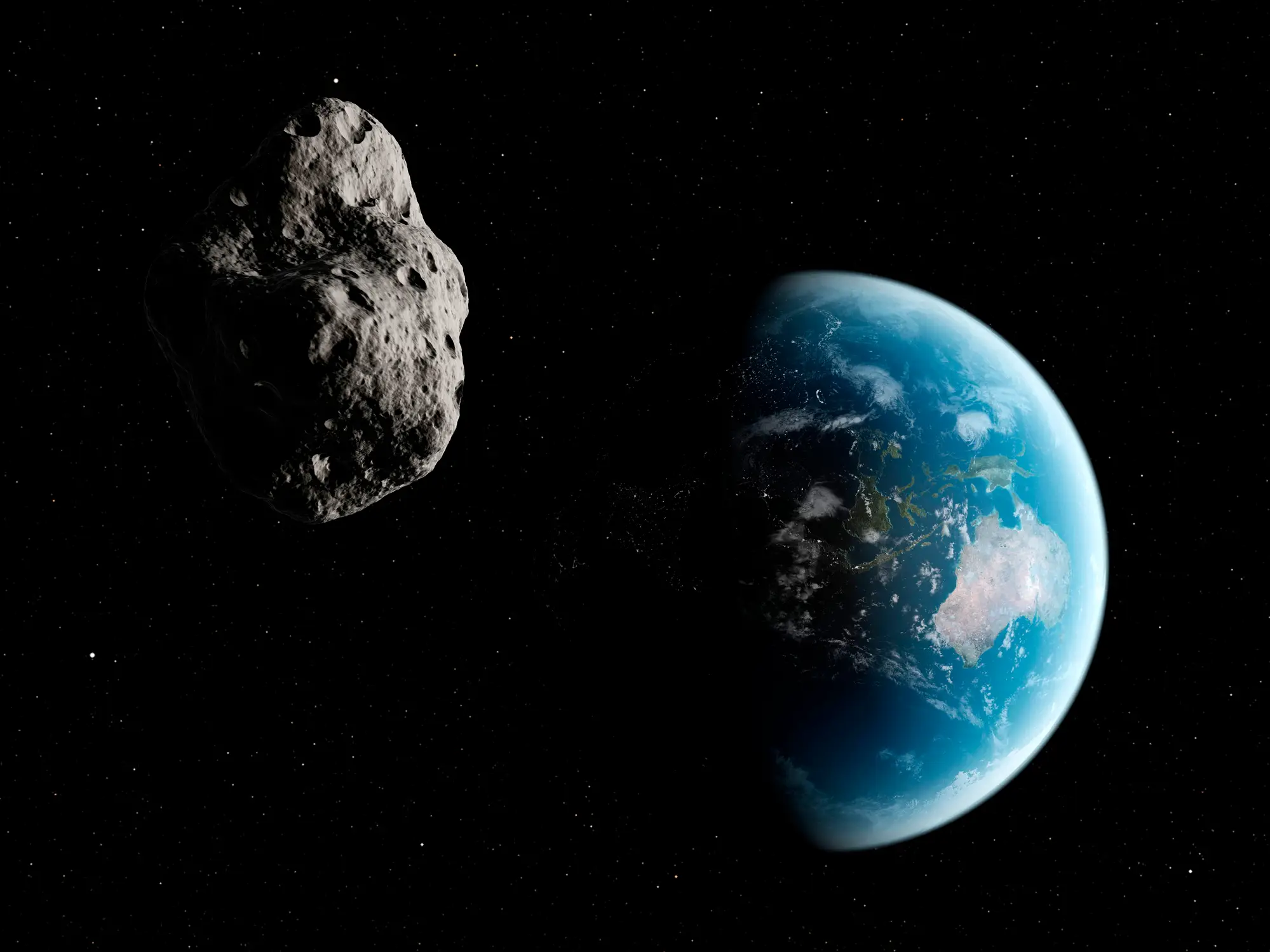
Scientists are currently evaluating the threat of 2024 YR4, which was discovered in December last year and is estimated to be at risk of crashing into Earth in around 7 years.
At first it was estimated that the asteroid only had a 1% chance of impact, but recent projections have doubled this figure to around 2.3%, leading space agencies like NASA to begin emergency procedures.
Advert
Currently the James Webb Space Telescope is utilizing its MIRI instrument to measure infrared activity upon the asteroid's surface, which should help narrow down the size that's roughly predicted to be between 40 and 90 meters in width.
These measures are extremely important to narrow down as much as possible, as they could have a major difference on the impact that 2024 YR4 has on Earth.
The European Space Agency (ESA) illustrates that "the hazard represented by a 40m asteroid is very different to that of a 90m asteroid," and it's being floated around that it could at least wipe out an entire city, if not more.
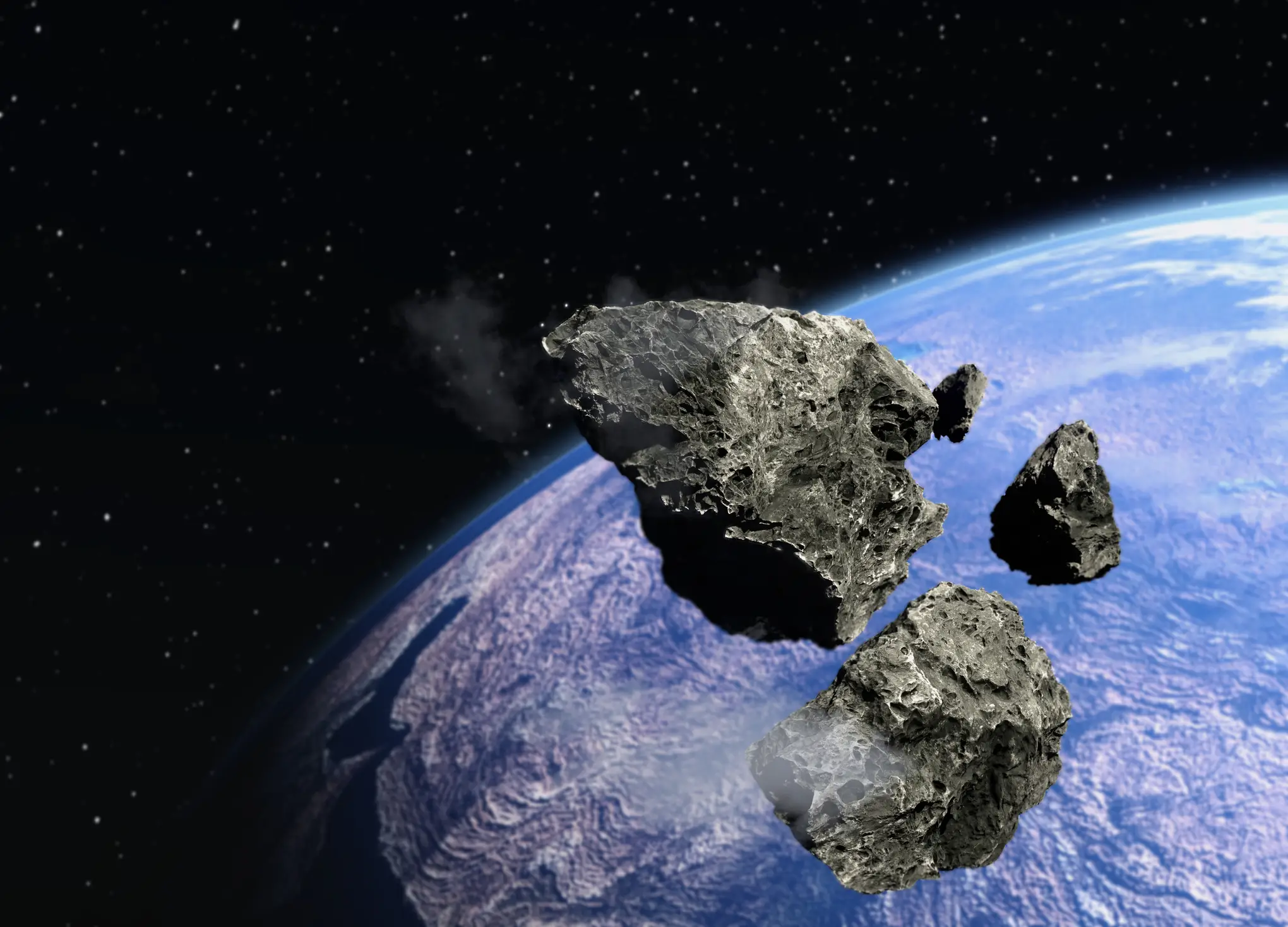
Thankfully NASA are discussing measures that'd involve using a spacecraft to divert the path of the incoming asteroid, but cost could prove to be a major roadblock in the completion of this project.
Double Asteroid Redirection Test, otherwise known as 'DART', is the only previous expedition of this kind, and it successfully managed to shift the 525-foot wide Dimorphos asteroid by launching a spacecraft into it head first.
What leaves many concerned about our ability to repeat this with 2024 YR4 is the price, as the DART project cost NASA around $324,000,000, as reported by LADBible, which is undoubtedly a staggering amount to pay again, even if it might save areas of our planet from complete destruction.
It might not even get sanctioned in the first place though, as Juan Cano at the ESA has indicated that time is also a factor that will play a part in the development of another DART-like expedition:
"Eight years would be very, very tight. We typically need between three and five years to construct and build a spacecraft in order to do this job, then we would also need between half a year and a year to fly to the object."
In theory you might be able to speed up this time scale by applying more resources to the project, but that would in turn bump up the cost even further, which makes it harder to justify.
On top of this, we currently don't even know whether 2024 YR4 even qualifies for such a project, as regulations require the asteroid to be at least 50m wide and we won't know that for sure until the James Webb Telescope has concluded its analysis.
Time is money after all, yet in this case one continues to increase while the other dwindles away.